- Take our Plastic Surgery Quiz to find out if you'd be a good candidate for cosmetic surgery.
- What Is Involved in a Mummy Makeover Procedure
- Why Swelling and Bruising Happen After Surgery
- Download Miss Anca Breahna's Tummy Tuck Guide
- The Healing Timeline and What to Expect During Recovery
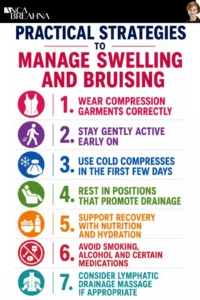
- Practical Strategies to Manage Swelling and Bruising
- ✓ Choosing and Wearing Compression Garments Correctly
- ✓ The Importance of Gentle Movement in Early Recovery
- ✓ Using Cold Compresses in the First Few Days
- ✓ Resting in Positions That Promote Drainage
- ✓ Supporting Recovery With Nutrition and Hydration
- ✓ Avoiding Smoking, Alcohol, and Certain Medications
- ✓ Considering Lymphatic Drainage Massage
- Emotional Wellbeing During the Healing Process
- Recognising the Difference Between Normal Healing and Warning Signs
- The Importance of Personalised Aftercare at Trusted Clinics
- Mummy Makeover Before and After Photos
- Preparing for Surgery to Support a Smoother Recovery
- Long-Term Benefits of Managing Recovery Properly
- FAQs About Mummy Makeover Recovery
- A New Beginning Through Surgical and Holistic Support
- Book a Consultation with Miss Anca Breahna
- Further Reading
- About Anca Breahna – Consultant Plastic Surgeon
The decision to undergo a Mummy Makeover is deeply personal and often represents a significant milestone in a woman’s life. Pregnancy and childbirth bring about many changes in the body, and while these changes are natural, they can leave lasting physical effects that may not respond to diet or exercise. A Mummy Makeover is a bespoke combination of procedures that aims to restore a woman’s pre-pregnancy figure and confidence.
Miss Anca Breahna, a highly respected Consultant Plastic & Reconstructive Surgeon based in Chester, UK, understands the emotional and physical transformation involved in this journey. Known for her surgical precision and compassionate care, she supports patients at every step, from consultation to long-term recovery. One of the most common concerns during the recovery period is how to manage swelling and bruising. These side effects are a normal part of healing, but with expert guidance, they can be managed in a way that enhances comfort and supports a successful outcome.
Take our Plastic Surgery Quiz to find out if you’d be a good candidate for cosmetic surgery.
What Is Involved in a Mummy Makeover Procedure
A Mummy Makeover is not a single operation but a customised group of procedures designed to address specific areas of concern after childbirth. It typically includes some combination of the following surgeries:
- Abdominoplasty (Tummy Tuck): Removes loose abdominal skin and tightens weakened muscles.
- Liposuction: Targets stubborn fat deposits that remain after pregnancy and weight loss.
- Breast Surgery: Depending on individual needs, this may involve augmentation, a breast lift, or breast reduction to restore shape and symmetry.
These surgeries are often performed in one session, meaning the body undergoes a comprehensive transformation. However, this also means that the healing process is complex. Swelling and bruising result from surgical trauma to the skin, fat, muscles, and blood vessels. The body’s response to this trauma is natural and protective, but there are ways to help it recover more quickly and comfortably.
Miss Anca Breahna works closely with each patient to select the most appropriate combination of procedures and provides a clear plan for the recovery phase.
Why Swelling and Bruising Happen After Surgery
Swelling and bruising are natural responses to the disruption caused by surgery. During procedures like liposuction or a tummy tuck, tissues are moved, tightened, or removed, which disturbs blood vessels and lymphatic channels. Swelling occurs as fluid collects in the tissues, while bruising results from small blood vessels breaking under the skin.
These effects are most intense in the days following surgery and gradually decrease over time. While it is not possible to eliminate swelling and bruising entirely, the good news is that both can be managed effectively with simple but important strategies. Miss Anca Breahna prepares each of her patients thoroughly for this phase, helping them to understand what is normal and what can be done to promote optimal healing.
Download Miss Anca Breahna’s Tummy Tuck Guide
The Healing Timeline and What to Expect During Recovery
Every patient’s recovery will be slightly different, but there are common patterns to how swelling and bruising evolve over time.
In the first few days after surgery, swelling tends to peak. The affected areas may feel tight, heavy, or sensitive to touch. Bruising is also most visible during this time and may appear deep purple or blue.
By the end of the first week, some reduction in swelling becomes noticeable. Bruising begins to fade, often changing colours to green or yellow as the blood beneath the skin is reabsorbed.
Over the following weeks, most of the swelling gradually subsides. Although some residual puffiness may persist for up to three months, patients typically feel more comfortable and begin to see their new shape take form.
Miss Anca Breahna carefully monitors this healing process. Follow-up appointments at her Chester or Liverpool clinics provide opportunities to review progress, answer questions, and make adjustments to the recovery plan if needed.
Practical Strategies to Manage Swelling and Bruising
✓ Choosing and Wearing Compression Garments Correctly
Compression garments are a cornerstone of post-surgical care. These specially designed garments apply gentle pressure to the treated areas, helping to minimise swelling and improve circulation. They also support the tissues as they heal, providing comfort and reducing the risk of fluid build-up or seromas.
Patients under Miss Breahna’s care are fitted with high-quality garments specific to their procedures. It is important to wear them exactly as instructed. Typically, they should be worn continuously for the first few weeks, only removing them for short periods when bathing. The fit should be snug but not overly tight, as excessive compression can restrict circulation.
✓ The Importance of Gentle Movement in Early Recovery
Although rest is essential after surgery, it is equally important to avoid prolonged immobility. Light movement, such as short walks around the home, can begin within 24 to 48 hours after surgery. This encourages healthy blood flow and supports lymphatic drainage, both of which are essential for reducing swelling.
Miss Anca Breahna provides her patients with a structured timeline for increasing activity levels. By gradually building up to more movement, patients not only feel better physically but also reduce the risk of complications like blood clots.
✓ Using Cold Compresses in the First Few Days
Applying cold compresses during the initial 72 hours after surgery can be highly effective for reducing inflammation and easing discomfort. Cold helps by narrowing blood vessels, which limits the spread of fluid into the tissues.
It is essential to apply cold therapy correctly. Always use a clean, soft cloth between the skin and the cold source to prevent injury. Compresses should be used in intervals, allowing the skin to return to normal temperature between applications. Miss Breahna’s team provides full instructions on how to do this safely.
✓ Resting in Positions That Promote Drainage
Body position plays a surprisingly important role in controlling swelling. Patients who have had a tummy tuck or breast surgery should rest in a reclined position with the upper body elevated and knees slightly bent. This reduces tension on the abdominal area and helps fluid drain away from the surgical sites.
During consultations, Miss Anca Breahna explains how to set up a comfortable recovery space at home. Pillows, recliner chairs, and even adjustable beds can help maintain ideal positioning during sleep and rest.
✓ Supporting Recovery With Nutrition and Hydration
Good nutrition is fundamental to healing. The body requires extra energy and nutrients to repair itself after surgery. A diet rich in lean proteins, healthy fats, and colourful fruits and vegetables provides the building blocks needed for tissue regeneration.
Staying well-hydrated helps the lymphatic system function more efficiently, flushing out toxins and reducing swelling. Patients should also limit salt intake to avoid water retention, which can make swelling worse.
Miss Breahna shares clear dietary recommendations before surgery so that patients can prepare in advance. She also checks in during recovery to ensure nutritional needs are being met.
✓ Avoiding Smoking, Alcohol, and Certain Medications
Lifestyle choices have a significant effect on healing. Smoking restricts oxygen delivery to tissues, increasing the risk of poor wound healing and complications. Alcohol can thin the blood and interfere with medications. Over-the-counter pain relievers like aspirin or ibuprofen may increase bleeding and worsen bruising.
Patients receive a full list of substances to avoid in the weeks before and after surgery. Miss Anca Breahna is committed to ensuring every patient has a safe environment for recovery, and this includes avoiding anything that might delay healing.
✓ Considering Lymphatic Drainage Massage
In some cases, patients may benefit from lymphatic drainage massage, a gentle technique designed to stimulate the lymph system and reduce swelling. This therapy is not suitable for everyone and must only be carried out under Miss Breahna’s supervision.
If appropriate, she will recommend qualified therapists who are trained in post-surgical massage techniques. This ensures that any additional treatments are both safe and effective.
Emotional Wellbeing During the Healing Process
Surgery affects the body, but it can also be an emotional experience. The early days of recovery may bring discomfort, fatigue, or even temporary doubts. These feelings are completely normal.
Miss Anca Breahna supports her patients with compassion as well as clinical skill. She encourages open conversations and reassures patients that healing is not a linear journey. Some days will feel better than others, and this is all part of the process.
Recognising the Difference Between Normal Healing and Warning Signs
While swelling and bruising are expected, it is important to know when to seek medical advice. Symptoms that may require attention include:
- Significant increase in swelling on one side
- Bright red or spreading bruises
- Pain that worsens rather than improves
- Fever or signs of infection
- Unusual discharge from incisions
Miss Breahna and her team provide clear guidance on what to watch for and are always available to answer questions. Early intervention can prevent complications and provide peace of mind.
The Importance of Personalised Aftercare at Trusted Clinics
Miss Anca Breahna operates from two leading private hospitals: Nuffield Health The Grosvenor Hospital in Chester and ASET Hospital in Liverpool. These facilities provide high standards of care in a private and supportive environment.
Each patient receives individualised aftercare, including:
- One-to-one consultations
- Tailored recovery plans
- Ongoing support throughout the healing process
Having this level of care ensures that patients are not left to manage recovery alone. Instead, they are guided every step of the way.
Mummy Makeover Before and After Photos


Preparing for Surgery to Support a Smoother Recovery
Effective recovery begins before the first incision is made. Taking the time to prepare can significantly reduce swelling and bruising after surgery.
Patients are encouraged to:
- Set up a comfortable recovery space
- Arrange for help with children, pets, or household chores
- Prepare easy meals in advance
- Stock up on supplies like pillows, healthy snacks, and medications
Miss Anca Breahna’s team helps patients create personalised preparation checklists to ensure nothing is overlooked.
Long-Term Benefits of Managing Recovery Properly
The early days of recovery influence the quality of long-term results. Following post-operative instructions, managing swelling, and avoiding unnecessary strain all contribute to better outcomes. Well-healed tissues tend to scar more neatly, and the final contours of the body are more defined when swelling is well controlled.
Miss Breahna has seen time and again how patients who prioritise their recovery not only heal faster but also feel more confident and satisfied with their transformation.

FAQs About Mummy Makeover Recovery
Is it normal to feel emotional or even teary during the first week of recovery?
Yes, many patients report unexpected emotional shifts after surgery. The body undergoes hormonal changes during healing, combined with the physical stress of surgery and temporary discomfort. It’s important to rest, stay hydrated, and speak openly with your surgical team if your mood feels unusually low.
Can the weather affect my swelling or bruising after surgery?
Yes, warmer temperatures can sometimes make swelling feel more pronounced due to increased blood flow and fluid retention. It’s best to stay cool, well-hydrated, and indoors during the first week of recovery if possible. Miss Breahna may adjust your post-op plan slightly depending on the season.
Why do I feel tightness in my stomach when standing up after a tummy tuck?
This sensation is due to the tightening of the abdominal muscles and removal of excess skin. It’s normal and gradually improves as tissues stretch and adapt. Patients are advised to walk slightly bent at the waist for the first few days to avoid strain.
Is it safe to laugh, sneeze, or cough after surgery?
While you don’t need to avoid these entirely, sudden abdominal pressure can be uncomfortable, especially after a tummy tuck. Supporting your abdomen with a pillow when coughing or sneezing can help. Gentle movements and mindful breathing can reduce discomfort.
Can I get post-operative swelling in areas that weren’t operated on?
Yes, fluid can occasionally shift into surrounding areas due to gravity and lymphatic changes. For example, swelling in the lower back, hips, or thighs after abdominal surgery is not uncommon. This usually resolves on its own within a few weeks.
Why does bruising sometimes look worse before it gets better?
Bruising can darken and spread slightly in the first few days as gravity moves blood beneath the skin. This is a normal part of the healing process. Over time, the bruises change colour and fade without intervention.
Will my compression garment affect my breathing or digestion?
A properly fitted garment should feel snug but should not restrict your breathing or cause digestive discomfort. If you feel overly compressed, it may be too tight. Miss Breahna ensures all patients are fitted correctly and checks for comfort during follow-up.
Is it okay if I hear or feel a ‘gurgling’ sensation in my tummy area during recovery?
Yes, some patients experience odd internal sounds or fluttering sensations due to fluid movement or healing tissues. This is especially common after liposuction or tummy tuck. As long as you’re not in pain, it’s usually harmless.
Can my sleep quality impact my healing process?
Absolutely. Poor or disrupted sleep can slow down tissue repair and worsen inflammation. Miss Breahna recommends preparing a restful environment in advance and using prescribed medications to support good rest if needed.
Is it possible to experience itching under the skin even when there’s no rash?
Yes, internal itching is a common part of nerve regeneration and tissue healing. It often feels like it’s “under” the skin, which can be frustrating. Avoid scratching the area and speak to the team if it becomes intense—topical treatments may help.
Medical References
- Fontes de Moraes B.Z. et al., “Do Compression Garments Prevent Subcutaneous Edema After Abdominoplasty?” Aesthetic Surgery Journal, Vol 43(3), March 2023 – https://academic.oup.com/asj/article/43/3/329/6772920?
- “Effect of Compression Garments on Post-Abdominoplasty Outcomes: A Systematic Review of the Current Evidence.” (2024) – https://www.researchgate.net/…/Effect-of-Compression-Garments…
- Elektras et al., “Influences of Intermittent Pneumatic Compression Therapy on Edema and Postoperative Patient Satisfaction Following Lower Abdominal Body Procedures (LABP).” Aesthetic Plastic Surgery, 2021 – https://link.springer.com/article/10.1007/s00266-021-02272-w?
A New Beginning Through Surgical and Holistic Support
Swelling and bruising after a Mummy Makeover are entirely normal, but they do not have to be overwhelming. With expert guidance, thoughtful preparation, and consistent care, the recovery process becomes a manageable and even empowering part of the surgical journey.
Miss Anca Breahna, Consultant Plastic & Reconstructive Surgeon based in Chester, is dedicated to helping her patients feel informed, supported, and confident from their first consultation through to complete recovery. Her patients benefit from a comprehensive approach that blends technical excellence with personalised care.
Book a Consultation with Miss Anca Breahna
If you are considering a Mummy Makeover and would like to learn more about how to manage your recovery effectively, schedule a consultation with Miss Anca Breahna today.
Appointments are available at:
- Cheshire Cosmetic Surgery – Main Clinic at Chester Wellness Centre, Wrexham Road, Chester, CH4 9DE
- Nuffield Health The Grosvenor Hospital, Chester
- ASET Hospital, Liverpool
Book your consultation or visit the Mummy Makeover treatment page to explore your options and begin your transformation with expert guidance.
Contact: 07538 012918
Email: contact@ancabreahna.com
Website: www.ancabreahna.com
Further Reading
- Read Miss Anca Breahna’s Blog on What is a Mummy Makeover?
- Read Miss Anca Breahna’s Blog on What is a Menopause Makeover?
- Read Miss Anca Breahna’s Blog on Safe and Effective Exercise After a Mummy Makeover
- Read About Mummy Makeover Surgery in Cheshire
About Anca Breahna – Consultant Plastic Surgeon
 Miss Anca Breahna, PhD, MSc, FEBOPRAS, FRCS (Plast), is a Consultant Plastic, Reconstructive and Aesthetic Surgeon based in Chester with extensive experience in breast surgery, abdominal contouring and body reshaping. This broad surgical background is particularly relevant to a Mummy Makeover, where several areas may need to be assessed together to create a treatment plan that is balanced, safe and suited to the patient’s overall proportions.
Miss Breahna performs Mummy Makeover surgery in Chester for women seeking to address changes following pregnancy and breastfeeding, which may include loose abdominal skin, muscle separation, altered breast shape or volume, and localised fat deposits. Depending on individual needs, treatment may combine procedures such as abdominoplasty, breast uplift or augmentation, liposuction and, in selected cases, labiaplasty. As an experienced plastic surgeon in Chester, she considers anatomy, general health, scar placement, recovery, future pregnancy plans and realistic expectations before recommending a personalised combination of procedures.
Back to blog