Who Typically Seeks an Extended Tummy Tuck and What Are the Surgeon’s Goals?
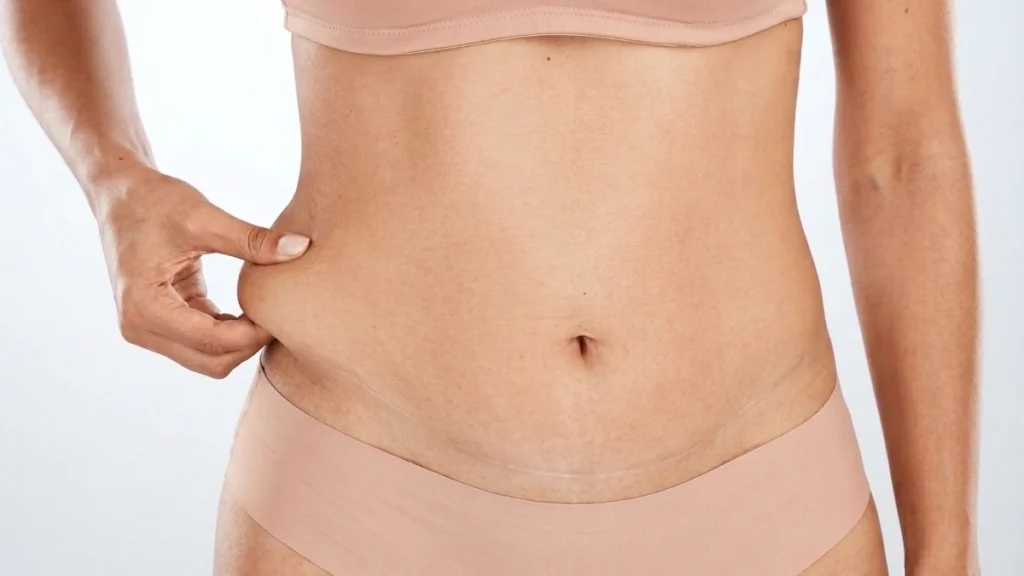
Patients considering an extended tummy tuck often have a history of weight fluctuations, post-pregnancy changes, or prior abdominal surgery that has left asymmetrical or broad excess skin. Many find that standard abdominoplasty alone does not address the fullness in the flanks or sides of the torso. These patients seek a more harmonious waist contour and smoother transition from abdomen to hips.
From the perspective of Miss Anca Breahna, Consultant Plastic & Reconstructive Surgeon, the surgical goals include comprehensive skin removal, muscle tightening, and improved waist definition. Safety, proportion, and long-term satisfaction are prioritised. The focus is on achieving a balanced, natural-looking result rather than creating dramatic or unnatural changes.
Am I a Good Candidate for an Extended Tummy Tuck?
Good candidates for an extended tummy tuck are generally in good overall health and at a stable weight. These patients typically have significant excess skin and stubborn fat deposits across the abdomen and flanks that have not responded to diet or exercise. Good skin quality and realistic expectations about scarring are important considerations.
This procedure is not suitable for patients with minimal excess skin or those who are not medically cleared for surgery. Smoking, untreated medical conditions, and significant future weight plans may affect suitability. During your consultation with Miss Anca Breahna at her Chester practice, individual anatomy and healing potential are assessed to determine whether an extended tummy tuck is the best approach.
What Happens During Your Personalised Extended Tummy Tuck Consultation With the Surgeon?
Your consultation with Miss Anca Breahna, Consultant Plastic & Reconstructive Surgeon in Chester, is a comprehensive discussion that centres on your goals and anatomy. During this appointment, skin redundancy and muscle tone are evaluated, as is the distribution of excess fat. You will be encouraged to discuss what aspects of your body you would like to improve and why.
The consultation also includes a clear explanation of how an extended tummy tuck differs from other abdominal contouring procedures. Tummy tuck recovery expectations, potential risks, and realistic outcomes are all outlined. A personalised surgical plan is created to match your anatomy, lifestyle, and safety. This ensures a well-informed decision that aligns with your expectations.
What Do Patient Reviews Say About Extended Tummy Tuck Surgery With the Surgeon?
Patient reviews often highlight the importance of feeling supported and well-informed throughout the surgical journey. Many patients appreciate clear communication, genuine guidance about recovery, and reassurance from their surgeon and team. Reviews may also reflect satisfaction with the thoroughness of aftercare and follow-up.
When reading reviews of Miss Anca Breahna’s Chester-based practice, focus on experiences that emphasise both surgical outcomes and the quality of patient care. Ethical presentation of patient feedback prioritises honesty and individual experience rather than exaggerated claims. Reviews are useful supplementary information but do not replace a personal consultation, which remains essential.
What Types of Extended Tummy Tuck Are Available?
An extended tummy tuck may be tailored to suit individual anatomy and goals. Some patients benefit from additional lateral tightening of the abdominal wall, while others may require more balanced contouring of both abdomen and flanks. Liposuction may be used in conjunction to refine side-to-side definition.
The incision pattern is extended laterally compared with a standard tummy tuck to address broader skin excess. In some cases, muscle tightening is incorporated to improve core support and contour. Miss Anca Breahna, Consultant Plastic & Reconstructive Surgeon, plans the approach based on a detailed assessment to ensure an optimal balance between contour enhancement and healing potential.
How Is Extended Tummy Tuck Surgery Performed?
An extended tummy tuck is usually performed under general anaesthesia in a regulated hospital environment. The incision runs across the lower abdomen and extends toward each hip, allowing removal of excess skin and underlying fatty tissue. The abdominal muscles are tightened where necessary to improve core support and definition.
The surgery duration varies depending on the amount of work required and whether liposuction is combined. Close attention is paid to symmetrical contouring, wound closure, and minimising tension on healing tissues. Drains may be used temporarily to prevent fluid build-up. Patient safety and comfort are prioritised throughout the procedure.
What Is Recovery Like After an Extended Tummy Tuck?
Recovery after an extended tummy tuck is typically more involved than with standard abdominoplasty. Swelling, tightness, and discomfort around the abdomen and flanks are common initially. Compression garments are usually worn for several weeks to support healing and contouring.
Most patients require several weeks away from work and strenuous activity. Light activity is encouraged early to support circulation, while more demanding tasks are delayed. Follow-up appointments at Miss Anca Breahna’s Chester practice monitor progress and guide recovery throughout the weeks and months ahead.
What Results Can You Expect From an Extended Tummy Tuck?
Initial improvements become visible once early swelling reduces. The waistline typically appears smoother, firmer, and more proportionate from front and side views. Over the following months, results continue to refine as tissues settle.
Results are long-lasting when weight remains stable. Fat cells removed during surgery do not return, but remaining cells may enlarge with weight gain. Maintaining a healthy lifestyle supports the longevity of contour improvement. The focus is on achieving a balanced and natural shape that matches your body.
How Are Scars From an Extended Tummy Tuck Minimised?
Scars from an extended tummy tuck are longer than those from a standard tummy tuck due to the lateral extension of the incision. They are positioned thoughtfully to be concealed beneath most underwear and swimwear. Over time, scars typically fade and soften, becoming less prominent.
Patients receive detailed guidance on wound care and scar management as part of aftercare from Miss Anca Breahna, Consultant Plastic & Reconstructive Surgeon. Scar maturation continues for many months, and individual healing varies. Most patients find the improvement in contour outweighs the presence of scars. Expectations are discussed clearly during consultation.
Cost of Extended Tummy Tuck
The cost of an extended tummy tuck reflects the complexity of surgery, consultant expertise, anaesthesia, hospital facilities, and aftercare support. Pricing is always personalised rather than standardised to reflect individual surgical plans and requirements. This ensures transparency about what is included in your care.
In the UK, the overall cost of an extended tummy tuck can vary depending on several factors, including the complexity of the surgery and whether additional procedures, such as liposuction, are performed at the same time. Other considerations include operative time, the type of anaesthesia used, hospital facilities, and the level of post-operative care required.
A personalised treatment plan and quotation are discussed following your consultation with Miss Anca Breahna in Chester. This tailored approach ensures full clarity and transparency before you decide to proceed.
What Are the Risks of an Extended Tummy Tuck?
All major surgery carries potential risks, and an extended tummy tuck is no exception. Common temporary effects include swelling, bruising, numbness, and discomfort, which usually improve as healing progresses. Rarely, fluid collections or delayed wound healing may occur.
Less common risks include infection, asymmetry, and scarring concerns. Serious complications such as blood clots are uncommon but are discussed during consultation to ensure informed consent. Careful patient selection and surgical expertise help reduce risk. Aftercare and monitoring play an important role in safe recovery.