7th October 2026
Preparing for labiaplasty involves reviewing your health and medications, following pre-operative instructions, and planning ahead for recovery. Careful preparation can help reduce avoidable risks and support a smoother, more comfortable healing process.
Read more
26th September 2026
A mummy makeover combines selected breast and body procedures according to individual needs. Miss Anca Breahna explains what may be included, when procedures can be performed together or staged, and how risks, recovery, childcare support and costs influence a personalised surgical plan following pregnancy, breastfeeding or significant weight change.
Read more
20th September 2026
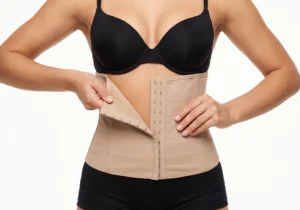
The best compression garment after liposuction should provide even, comfortable support across the treated area without causing pain or excessive pressure. The right garment depends on the procedure, treatment area, swelling, and your surgeon’s personalised recovery advice.
Read more
16th September 2026
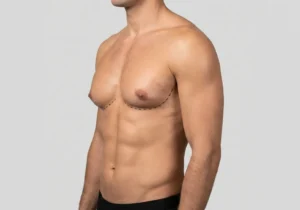
Slim and athletic men can develop gynaecomastia because enlarged male breast tissue is not caused by body fat alone. This guide explains why glandular tissue can remain despite weight loss and exercise, common hormonal, medication and lifestyle causes, how gynaecomastia differs from chest fat, and when medical or surgical assessment may be appropriate.
Read more
11th September 2026
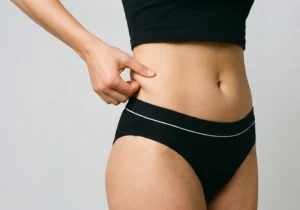
Fleur de Lis abdominoplasty may be considered after major weight loss when loose abdominal skin extends both vertically and horizontally. This guide explains how it differs from a standard tummy tuck, why the additional vertical excision may be needed, the scar trade-off, recovery considerations and how suitability is assessed.
Read more
5th September 2026
Deciding whether cosmetic surgery is right for you involves more than wanting a physical change. This guide explains how to assess your motivation, expectations, readiness for scars and recovery, reasons it may be better to wait, and how a specialist consultation can help you decide whether surgery is appropriate for your individual circumstances.
Read more
29th August 2026
A cosmetic surgery consultation is a medical assessment designed to explore your concerns, health, anatomy, expectations and treatment options. This guide explains what happens during an appointment, what an examination may involve, which questions to ask, how risks and recovery are discussed, and why you should have time to consider any proposed surgery carefully.
Read more
24th August 2026
Choosing a plastic surgeon in the UK involves more than comparing prices, reviews or social media results. This guide explains how to check GMC registration and specialist status, assess hospital regulation and aftercare, judge the quality of a consultation, ask useful questions and recognise warning signs before deciding whether to proceed with cosmetic surgery.
Read more
21st August 2026
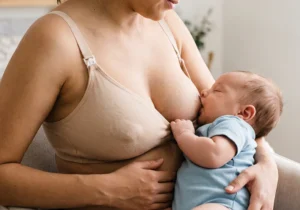
Breasts may change after breastfeeding through loss of volume, drooping, softer tissue, altered nipple position or greater asymmetry. Miss Anca Breahna explains which changes may settle naturally and how breast lift, augmentation, reduction, fat transfer and asymmetry correction differ, including timing, recovery, risks and future pregnancy considerations for individual patients.
Read more
17th August 2026
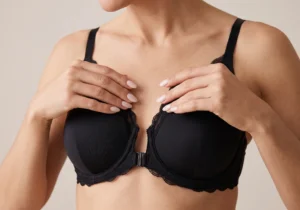
Bras can fit poorly even when the labelled size seems correct because breast shape, asymmetry, tissue distribution and breast position vary considerably. Miss Anca Breahna explains common bra-fit problems, what to try before considering surgery and when breast anatomy may justify discussing breast reduction, uplift, augmentation or asymmetry correction.
Read more
12th August 2026
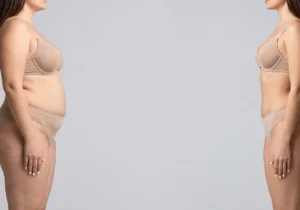
Body shape can change during perimenopause even when weight remains stable. Hormonal fluctuations, shifts in fat distribution, gradual muscle loss and fluid changes may alter waist definition and overall body composition. Miss Anca Breahna explains what is commonly experienced, when medical assessment may be appropriate and where cosmetic surgery may fit.
Read more