Abdominoplasty Recovery: Complete Guide to Healing Safely and Comfortably | Ms Anca Breahna, Consultant Plastic Surgeon
Recovery after abdominoplasty usually feels more tight, heavy, stretched, and restrictive than sharply painful at rest. Many patients are more surprised by the effort involved in ordinary movement than by pain alone.
Abdominoplasty, also called a tummy tuck, removes excess abdominal skin and fat and may also tighten separated abdominal muscles. This recovery guide explains what healing usually involves with Ms Anca Breahna, Consultant Plastic Surgeon in Chester, and gives practical advice on pain, swelling, posture, drains, compression, work, exercise, and getting back to ordinary life. NHS and ASPS both describe tummy tuck surgery in similar terms.
What Does Recovery Look Like At A Glance?
Recovery often makes more sense when you think of it as a sequence rather than one long blur. The first few days are about support and safe movement, the first few weeks are about function, and the following weeks are about settling.
A simple snapshot usually looks like this:
At a glance
Day 1 to 3
tightness, swelling, sore movement, bent posture
Week 1
recovery feels most intense
Week 2
more manageable, but still clearly healing
Week 3 to 4
daily life often feels easier
Week 4 to 6
a major turning point for many women
Beyond 6 weeks
settling continues, even when you feel much better
Surgeon
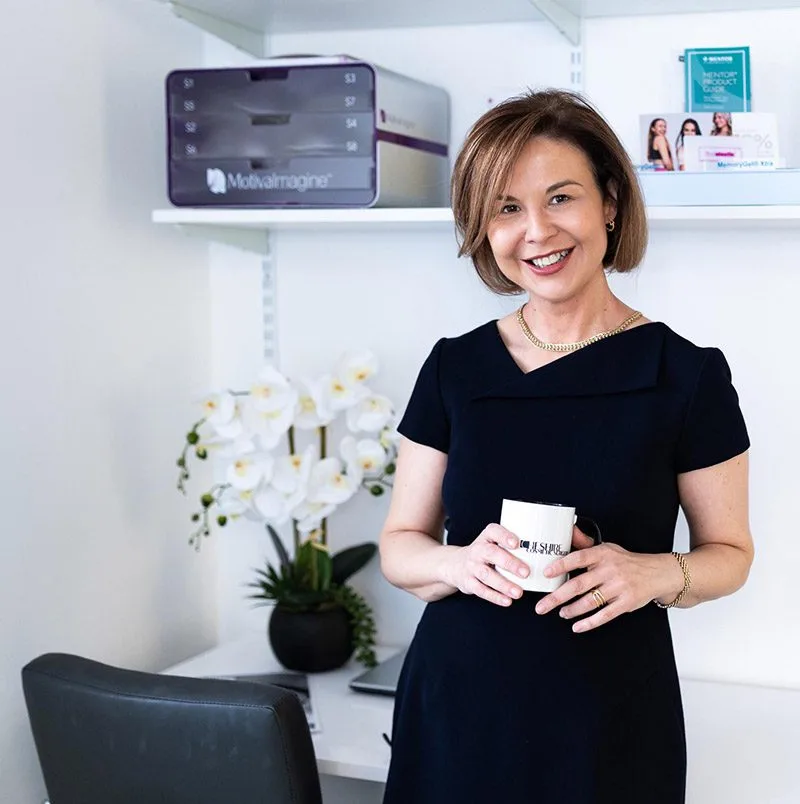
Miss Anca Breahna – Consultant Plastic Surgeon
This kind of overview helps reduce unnecessary anxiety. It reminds patients that healing is expected to change from stage to stage.
What Are The Key Recovery Facts To Know First?
Abdominoplasty recovery usually happens in stages, and the first 1 to 2 weeks are often the hardest. Most women feel steadily better after that, but swelling, scar settling, posture, and full tissue recovery take longer.
The main recovery points are usually these:
Pain And Tightness – often most noticeable in the first days
Swelling – expected early on, and often slower to settle than patients expect
Posture – standing fully upright may take time
Drains – sometimes used for a short period after surgery
The most important point is simple. Early recovery, functional recovery, and final settling are not the same thing.
What Are The Fastest Answers About Abdominoplasty Recovery?
The quickest summary is that recovery usually feels tight, swollen, and restrictive at first, then gradually becomes more manageable over the following weeks. Most women need patience with posture, movement, work, driving, and gym return, even when they already feel better day to day.
The fastest practical answers are usually these:
the first week is often the most physically demanding
swelling and abdominal tightness are common
walking starts early, but slowly
standing upright may take time
desk-based work may feel realistic before physical work
running and lifting often need more caution for several weeks
drains may be used, and some patients go home with them
compression support is often part of early aftercare
scars and contour continue settling long after the first recovery phase
A short answer block like this helps patients focus on what matters most early on. It also makes the rest of the recovery journey easier to understand.
How Does Healing After Abdominoplasty Usually Feel?
Recovery after abdominoplasty usually feels more tight, heavy, stretched, and restrictive than sharply painful at rest. Many patients are more surprised by the effort involved in ordinary movement than by pain alone.
Common early sensations often include:
abdominal tightness
swelling and firmness
soreness with movement
pulling when standing up
difficulty getting in and out of bed
tiredness after small tasks
numbness in some areas
concern that the abdomen still looks puffy
This is usually a normal part of healing after tummy tuck surgery that affects both skin and deeper tissues. What often helps most is understanding that recovery is not only about the scar. It is also about posture, stamina, sleep, swelling, and confidence with movement.
Ms Breahna’s Clinical Note
Many women expect the abdomen to feel immediately flatter and more comfortable after surgery. In reality, the contour may look improved while the body still feels tight, swollen, and protective for a while.
How Do The First 24 To 72 Hours Usually Feel?
The first 24 to 72 hours are usually the most physically demanding part of recovery. Tightness, soreness, swelling, and reduced mobility are often most noticeable in this early phase.
Many women notice:
abdominal tightness
soreness with movement
swelling becoming more obvious
walking more slowly and carefully
a naturally bent posture
tiredness after short periods upright
a fuller-looking abdomen than expected
drains, if used, becoming part of daily management
A calmer start usually helps most. The goal in this stage is not to move normally. It is to support healing without becoming too immobile.
What Are The Main Changes During Week 1?
Week 1 is usually when recovery feels most intense and most obviously post-operative. The abdomen may feel firm, swollen, protective, and much less cooperative than patients expected.
Common week 1 features often include:
swelling that feels obvious
bruising becoming more noticeable
posture still bent
sleeping feeling awkward
getting dressed taking more effort
the abdomen not looking flat yet
a strong awareness of pulling or stretching
low stamina
This is often the week when patients worry most about swelling and shape. In many cases, that early appearance reflects normal healing rather than the final result.
How Does Recovery Usually Feel By Week 2?
Week 2 often feels more manageable than week 1, even though healing is still very much ongoing. Many women can move more easily, feel less sore at rest, and start to think about getting back to parts of normal life.
Week 2 often brings:
easier walking
less soreness at rest
getting out of bed feeling less daunting
posture improving, though not always fully normal
swelling still being present
greater confidence with light daily tasks
more independence around the house
This stage often feels encouraging. It is still too early, though, to assume healing is complete just because things are easier than they were in week 1.
What Progress Is Common During Weeks 3 And 4?
Weeks 3 and 4 often bring more visible and functional improvement, especially in daily routine and movement. Many women feel more like themselves, even though swelling and deeper healing are still continuing.
Progress in this stage often includes:
walking feeling more natural
posture improving further
daily tasks feeling less demanding
swelling beginning to look less dramatic
more comfort with desk-based work
better stamina than in the first two weeks
less constant awareness of the abdomen
This is often when patience matters most. Feeling better can tempt patients to do too much too soon, even though the abdominal wall and soft tissues are still healing.
How Does Recovery Shift Between Weeks 4 And 6?
Weeks 4 to 6 often feel like a major turning point because daily life is usually much easier by then. Movement, stamina, and confidence often improve a lot, but the abdomen is still not ready for everything.
Common changes in this stage often include:
less swelling
easier movement
improved stamina
better comfort sitting and standing
growing confidence with routine
increasing temptation to restart gym activity
less dramatic day-to-day discomfort
This phase often feels much more normal. It is still a healing phase, not the finish line.
What Continues To Improve Beyond 6 Weeks?
Beyond 6 weeks, many women feel well through the main early recovery phase, but full settling is still continuing. This is often the point where function feels better before the final contour is fully refined.
Longer-term improvement often includes:
swelling continuing to reduce
scar colour and firmness changing
numbness gradually improving
the abdomen feeling softer
confidence in clothing increasing
movement feeling more natural
the contour looking more settled
The main point here is simple. Feeling better often comes before the final result fully settles.
How Much Pain, Tightness, And Early Discomfort Is Normal?
Most patients describe recovery as soreness, tightness, pulling, and pressure rather than constant severe pain. Pain is often more noticeable with movement than at rest, especially in the first part of recovery.
A useful way to think about discomfort is this:
0 to 2 out of 10 – mild awareness only
3 to 4 out of 10 – noticeable soreness, especially with movement
5 to 6 out of 10 – movement still feels guarded and sitting may feel uncomfortable
7 out of 10 or more – significant discomfort, not a good point for driving or demanding activity
This kind of scale helps patients think practically. It is a reassurance tool, not a strict rule.
How Can A Pain Scale Help You Judge Driving Readiness?
Driving should usually be judged by safe movement and control, not just by how many days have passed since surgery. The real question is whether you can sit, move, and react normally enough to drive safely.
A practical self-check often includes:
can you sit comfortably in the driver’s seat?
can you reposition safely?
can you lift and move your legs freely?
can you wear a seatbelt without major distress?
can you perform an emergency stop confidently?
are you no longer taking medication that affects alertness?
If the answer to any of these is no, it is usually too early to drive. This is practical guidance, and your own surgeon’s advice still matters.
How Long Does Swelling Last After A Tummy Tuck?
Swelling after a tummy tuck usually lasts longer than patients first expect, even when the worst of it settles quite early. The most obvious swelling improves first, but residual swelling can continue well beyond the first few weeks.
What patients usually notice is:
early swelling is most obvious in the first days
the abdomen may still look puffy after the sharp soreness improves
swelling can fluctuate through the day
more activity may make the abdomen feel fuller later on
the lower abdomen may stay firm longer than expected
compression often helps with comfort and support
This is one of the biggest expectation gaps in recovery. Many women feel physically better before the swelling has fully settled, which is why the contour should not be judged too early.
When Can You Stand Up Straight After A Tummy Tuck?
Standing fully upright after abdominoplasty often takes time because the abdomen can feel tight, stretched, and protective in the early phase. Even when pain is manageable, posture may still feel limited because the tissues are adjusting to skin tightening, swelling, and, in some cases, muscle repair.
What many women notice early on is:
a naturally bent posture
pulling through the lower abdomen when trying to straighten up
walking more comfortably in a slightly flexed position
more upright posture returning gradually, not all at once
tightness feeling stronger after rest or first thing in the morning
confidence improving as movement becomes easier
This usually improves in stages rather than overnight. The safest approach is to let posture return progressively instead of forcing the body upright before it feels ready.
How Long Do Tummy Tuck Drains Usually Stay In?
Drains, when they are used, are there to remove fluid in the early stage of healing and reduce the risk of fluid build-up. They can feel awkward and inconvenient, but many patients find them easier to manage once they understand that they are temporary and part of routine aftercare for some tummy tuck procedures.
If drains are used, patients often notice:
the first few days feel more restricted because of them
moving around takes more planning
emptying and measuring output becomes part of the routine
the drain sites can feel slightly sore or tender
comfort usually improves once the drains are removed
different patients need drains for different lengths of time
The exact timing depends on the amount of fluid being collected and the surgeon’s plan. What matters most is not the calendar alone, but whether the drainage has reduced enough for removal to be appropriate.
How Long Should You Wear A Compression Garment After Abdominoplasty?
A compression garment is often an important part of early tummy tuck recovery because it supports the abdomen and can help make swelling feel more manageable. Many women notice that the garment feels restrictive at first, then reassuring once they get used to it.
A compression garment often helps by:
supporting the healing abdominal contour
reducing the sense of heaviness
making movement feel more secure
helping manage swelling
protecting the area from too much movement
encouraging a steadier recovery routine
The most useful mindset is to treat the garment as part of recovery, not just an inconvenience. Specific timing varies, so it should always be worn for as long as your surgeon advises.
When Does Going Back To Work Usually Feel Manageable?
Work usually starts to feel more realistic when sitting, walking, concentration, and clothing pressure are less intrusive in daily life. For many women, that point depends far more on the demands of the job than on a single number of days after surgery.
Return to work usually depends on:
whether the role is desk-based or physically active
whether lifting or bending is required
whether commuting is involved
whether sitting is prolonged
whether workwear feels tight or uncomfortable
how much fatigue is still affecting concentration
Helpful return-to-work strategies often include:
planning a phased return if possible
taking posture breaks
avoiding carrying heavy bags
allowing more time for commuting
wearing comfortable clothing
keeping expectations realistic in the first days back
Many women can imagine returning to work before they feel fully comfortable doing it. That is why a phased return often feels much easier than trying to resume everything at full pace immediately.
How Can You Build Back Into Exercise Safely?
Exercise usually needs to be reintroduced gradually because the body may feel better before the abdomen is ready for strain. Walking is usually the first step, while anything that loads the core, increases pressure, or adds impact needs more caution.
A sensible return often looks like this:
short gentle walks first
slowly increasing walking distance
avoiding abdominal loading early on
delaying heavy lifting
avoiding exercises that create strong core bracing
building back in stages rather than testing limits
The safest return is usually the one guided by comfort and tissue tolerance rather than impatience. In most cases, recovery goes more smoothly when movement is increased steadily instead of rushed.
When Can You Return To The Gym Without Rushing Recovery?
The gym usually needs more patience than ordinary walking because it adds impact, repetition, resistance, and abdominal strain. Many women feel mentally ready for the gym before the tissues are physically ready for what gym activity actually demands.
Activities that often need the most caution include:
running
rowing
lifting weights
core exercises
high-impact cardio
group classes that involve sudden movements
anything that causes strong abdominal bracing
A safer gym return often means:
starting light
keeping impact low at first
avoiding abdominal loading early on
stopping if the abdomen feels strained afterwards
progressing gradually instead of trying to catch up quickly
Feeling ready for movement is not always the same as being ready for training. In most cases, the body gives a much better result when recovery is treated as a staged rebuild, not a test of determination.
When Is It Safe To Resume Intimacy After Abdominoplasty?
Intimacy usually needs a cautious return because movement, stretching, and abdominal pressure can still feel significant even when day-to-day soreness is improving. The issue is often not only pain, but whether the abdomen still feels protective, tight, or vulnerable with position changes.
A sensible approach usually involves asking:
does everyday movement feel comfortable?
does rolling or stretching still feel strained?
are the wounds healing normally?
has swelling reduced enough to make the abdomen feel less protective?
would pressure or twisting still feel too noticeable?
A gradual return usually feels safer and more comfortable than treating intimacy as a fixed-date milestone. What matters most is whether the abdomen feels ready, not just whether enough time has passed.
What Clothes Usually Feel Most Comfortable While You Heal?
Clothing can make a very big difference to comfort during tummy tuck recovery because the abdomen often feels swollen, firm, and sensitive to pressure. The wrong waistband or fabric can make a manageable day feel much harder than it needs to.
Clothes that often feel better include:
soft high-waisted garments
loose pyjamas
relaxed trousers or dresses
fabrics without harsh seams
clothes that are easy to put on and remove
Clothes that often need more caution include:
tight jeans
stiff waistbands
clothing that rubs the scar line
very compressive garments beyond what is advised
outfits that make dressing awkward or painful
Comfortable clothing helps reduce rubbing and makes daily movement easier. This is one of those practical details that seems small before surgery and then matters a great deal afterwards.
How Can You Sleep Better During Tummy Tuck Recovery?
Sleep usually feels easier when the abdomen is supported and not stretched flat, especially in the first part of recovery. Many women find that sleeping is less about finding the perfect position and more about reducing tension through the abdomen and making movement in bed easier.
Helpful sleep adjustments often include:
pillows under the knees
support behind the back
a slightly flexed resting position
loose, soft nightwear
a bed setup that makes getting in and out easier
The goal is not perfect sleep. The goal is to reduce abdominal pulling enough that nights feel less physically demanding.
How Do Food, Fluids, And Nutrition Support Healing?
Healing after abdominoplasty is usually easier when the body is properly nourished, hydrated, and not under extra stress from under-eating. The early recovery period is a time when the body is doing a lot of repair work, and that has real nutritional demands.
Helpful recovery habits often include:
eating regular meals
getting enough protein
drinking enough fluid
including fruit and vegetables
avoiding long gaps without eating
supporting bowel comfort if recovery or pain relief slows things down
It often helps to avoid:
restrictive dieting
poor hydration
heavy alcohol use early on
under-eating because appetite is reduced
The early healing phase is usually a time to nourish the body, not deprive it. Good recovery often feels steadier when the basics of food and hydration are taken seriously.
What Helps A Tummy Tuck Scar Heal As Well As Possible?
Scar healing usually starts best when the wound is allowed to heal calmly and is protected from tension, rubbing, and unnecessary irritation. Early scar appearance is not the final result, and many women feel more reassured once they understand how slowly scar change can happen.
The best early support usually includes:
protecting the wound
following dressing advice
avoiding strain too early
wearing comfortable clothing
reducing friction over the scar line
asking before starting scar products or massage
The main point is simple. Calm wound healing usually matters more than doing too much too soon. A steadier start often gives the scar the best chance to settle well over time.
What Happens If You Do Too Much Too Soon?
Doing too much too soon usually does not cause dramatic problems immediately, but it often makes recovery feel more swollen, more sore, and more frustrating than it needs to. Many setbacks happen because the body starts to feel better before deeper tissues are ready for extra strain.
Patients often notice this happening when they:
walk much farther than usual too soon
lift more than they should
try to resume housework too early
test gym activity before the abdomen is ready
stand for too long without enough rest
assume less soreness means full healing
The body often gives a warning before a bigger setback. More swelling, more pulling, or a sense of strain usually means it is time to slow down rather than push through.
What Should You Do – And Avoid – During Recovery?
Recovery usually feels smoother when the basics are kept simple and consistent, rather than when patients keep testing how much they can get away with. The best routine is often a steady one built around support, rest, gentle movement, and realistic pacing.
Helpful things to do include:
take short gentle walks
wear support as advised
keep wounds clean
arrange help with lifting or childcare
eat and drink properly
ask for review if something worries you
Things to avoid include:
returning to the gym too early
lifting heavy items too soon
over-judging the contour during early swelling
assuming less soreness means full healing
ignoring wound, leg, or breathing symptoms
The most common recovery problems often come from doing too much once things start to feel better. A steady approach is usually the most comfortable one.
Which Signs Suggest Recovery Is Progressing Normally?
Normal recovery often includes symptoms that still feel worrying if they were not clearly explained beforehand. Many women feel more reassured once they know that swelling, tightness, tiredness, and fluctuating comfort can all still be part of normal healing.
Common normal signs include:
swelling
bruising
tightness
firmness
reduced stamina
temporary numbness
difficulty standing fully upright
scar awareness
These changes usually become less noticeable over time, even if progress is not perfectly even every single day. What matters most is whether the general direction is gradual improvement.
Which Changes Should Prompt A Review?
Some symptoms need proper review rather than reassurance because they suggest recovery may not be following the expected path. The most useful distinction is whether things are gradually settling or clearly escalating.
You should seek advice if you notice:
worsening pain rather than improvement
increasing redness
fever
offensive wound discharge
unexpected bleeding
wound opening
clear one-sided swelling
shortness of breath
leg pain or swelling
A simple way to think about this is that gradual settling is reassuring, while escalation is not. Patients usually feel much safer when they know exactly which changes are worth calling about.
Why Does Recovery Feel Different From One Patient To Another?
Recovery often feels different from one woman to another because the surgery itself varies, and so does each patient’s life, body, and routine. The amount of tissue removed, whether muscle repair was performed, and what daily life looks like at home all shape how recovery feels.
Variation is normal, and patients usually feel more reassured when that is explained clearly. Improvement can still be completely normal even when one recovery feels easier or slower than someone else’s.
What Problems Can Affect Healing After Abdominoplasty?
Abdominoplasty is a major operation, so it is important to understand what can interfere with healing even when most recoveries go well. Honest recovery guidance usually feels more reassuring, not more frightening, because it helps patients know what is common and what needs review.
Possible problems can include:
infection
delayed wound healing
seroma or fluid collection
scar problems
prolonged swelling
contour irregularity during healing
numbness or tightness
revision in some cases
Explaining these does not make recovery more alarming. It makes it more realistic and more useful.
How Does Ms Breahna Approach Tummy Tuck Recovery?
Good recovery is part of the procedure itself and should never feel like an afterthought. A strong result depends not only on the operation, but also on clear preparation, realistic advice, and careful pacing afterwards.
practical guidance on work, exercise, clothing, and movement
support with pacing recovery properly
timely review when concerns arise
The details that matter most are usually the ones patients ask about later. Why sitting is harder than expected. Why clothing matters so much. Why the body can feel better before the abdomen looks fully settled.
Send an enquiry
"*" indicates required fields
Abdominoplasty Surgery Before & After
See the difference Abdominoplasty Chester has made for our clients
Blurred images may contain sensitive or explicit content. Click the toggle button to reveal the images.
Take our Plastic Surgery Quiz to find out if you'd be a good candidate for cosmetic surgery.
FAQs About Abdominoplasty Recovery
That can happen because swelling often builds through the day with movement, posture, heat, and time on your feet. Many women notice the abdomen looks or feels fuller by evening, especially in the early stages of recovery.
Yes, very much so. Functional recovery and visual recovery do not happen at the same speed, so it is common to move more comfortably before swelling has fully settled.
Posture affects confidence as well as comfort. Not being able to stand fully upright yet can make recovery feel more dramatic than it really is, even when healing is progressing normally.
Yes. Sitting upright for long periods, commuting, concentrating while tired, and managing swelling can still make desk work feel more demanding than patients expect.
Walking is controlled, low impact, and easy to stop if something feels uncomfortable. The gym usually adds abdominal bracing, pressure, repetition, or more intense movement, so it often needs more patience.
Yes, that is very common. Once soreness starts to improve, attention often shifts to the scar and overall appearance, even though scar change usually takes much longer than pain relief.
That combination can happen because swelling, tissue healing, and temporary nerve changes affect sensation in different ways. Tightness often reflects healing tension, while numbness can happen where sensation has been altered during surgery and recovery.
Because the abdominal wall may still be healing even when general soreness has improved. Lifting creates sudden strain through the tummy, and that matters even more if muscle repair was part of the procedure.
That can happen because more activity can temporarily increase swelling and make the tissues feel tighter or fuller. A firmer feeling later in the day is often a sign that the body still needs pacing, not that something is necessarily wrong.
Yes, absolutely. Many women feel more supported and secure in the garment, but also become more aware of heat, pressure, or restriction while wearing it.
Yes, that worry is very common in the early weeks. Swelling can hide the contour for a while, which is why the final result should never be judged too early.
Because the emotional side of recovery is often tied to swelling, scar appearance, and uncertainty rather than pain alone. Many women start feeling more comfortable physically before they feel confident that what they are seeing is normal.
A recovery page is strongest when it is grounded in recognised guidance and useful evidence, not just general opinion. NHS gives the clearest UK-facing basics, ASPS covers recovery stages well, and the surgical literature helps support the longer-term recovery picture.
Are You Ready To Book A Consultation With Ms Anca Breahna In Chester?
If you are considering abdominoplasty and want clear, consultant-led advice about recovery time, pain expectations, work, driving, exercise, intimacy, scar care, and how to plan around family life, book a consultation with Ms Anca Breahna in Chester.
For many women, a tummy tuck is about more than a flatter abdomen. It is often about feeling more comfortable in clothes, regaining confidence after pregnancy or weight loss, and feeling more at ease in your body again. A good consultation should turn uncertainty into a clear plan - what surgery may help, what recovery is likely to involve, and how to make the process feel safe, well supported, and manageable close to home in Chester, Cheshire, and the wider North West.
As one of the very few female Plastic Surgeons in her region, she is able to offer that unique female perspective, with empathy, attention to detail and personalised care.
Anca Breahna’s surgical training has been largely undertaken within the United Kingdom. She began a rigorous training programme in Plastic and Reconstructive Surgery in 1999, after achieving her medical degree from the University of Bucharest. Miss Breahna attained her PhD degree at the same university in 2007 for her medical research. She then relocated to the UK to further extend her qualifications and training.
Anca’s NHS practice is now focused on Breast Reconstructive Surgery, Skin Cancer Surgery, Hand Surgery and soft tissue reconstruction. Over the last 15 years, through her pursuit of further training and education, Anca has developed a special interest and expert practical experience in a range of Aesthetic Breast and Body Surgery.
Miss Breahna is on the GMC Specialist Register for Plastic Surgery under number 6168616, is a member of BAAPS, and holds a substantive Consultant post with Countess of Chester Hospital NHS Foundation Trust. She will explain what surgery can and cannot achieve in your case, and help you set realistic goals.
Anca will treat you in a straightforward manner, with respect, consideration and empathy to ensure you are comfortable with your choice.
Your Next Steps
Do your Research
Please read our website pages and blogs to learn more about your intended procedure.
All Surgery has risks and potential complications. Please read more about the risks of your surgery.
Making The Most Of Your Consultation
A Medical Referral from your Doctor before your consultation is not compulsory however it is recommended.
Please arrive slightly early for your in-person consultation with Anca – Car parking is available on-site at all hospitals.
You are welcome to bring a friend or relative to help consider the information and discuss your options.
Please be aware you may need to undress for a physical exam so wear simple clothes.
Ensure you also take a lot of notes during the consultation and thoroughly read all the documents provided.
Want more information before scheduling your consultation?
Please call to find out more about availability, pricing and medical payment plans or to request more information about the procedure, contact us.
How to Book your Consultation with Anca Breahna – Plastic Surgeon
You can book your consultation with Anca by paying the £150 cosmetic consultation fee when you make your appointment. This fee covers further consultations about the same concern.