
- Take our Plastic Surgery Quiz to find out if you'd be a good candidate for cosmetic surgery.
- What Is Diastasis Recti?
- Signs and Symptoms That May Indicate a Muscle Separation
- Download Miss Anca Breahna's Tummy Tuck Guide
- Non-Surgical Options: When Is Conservative Management Appropriate?
- When Surgery Becomes an Option
- Localised Trends and Insights in the UK and Chester Region
- Do’s and Don’ts Before and After Your Muscle Repair
- Do’s:
- Don’ts:
- What Happens During Surgical Muscle Repair?
- Tummy Tuck Before and After Photos
- Recovery: What to Expect After Surgery
- Is It Right for You? How Miss Anca Breahna Guides the Decision
- Why Patients Choose Miss Anca Breahna in Chester
- FAQs About Surgery for Diastasis Recti – Muscle Repair
- Take The First Step Toward Restoring Core Confidence
- Further Reading
- About Anca Breahna – Consultant Plastic Surgeon
Abdominal muscle separation is a physical condition that can deeply affect both men and women, particularly following significant life changes such as pregnancy or major weight fluctuations. Known medically as diastasis recti, this condition results in a persistent gap between the left and right abdominal muscles. It may present as a visible bulge or an uncomfortable feeling of instability in the core. It is more than a cosmetic concern – diastasis recti can interfere with posture, physical activity, and overall confidence.
In Chester, UK, Consultant Plastic & Reconstructive Surgeon Miss Anca Breahna provides specialist care for individuals dealing with this issue. As a highly regarded female plastic surgeon, she offers both functional and aesthetic solutions to abdominal muscle separation. Patients throughout Cheshire, Wirral, and North Wales trust her for her expertise, thoughtful consultation process, and tailored approach to surgical care. For many, muscle repair becomes an opportunity to restore comfort, rebuild strength, and regain confidence in their bodies.
Take our Plastic Surgery Quiz to find out if you’d be a good candidate for cosmetic surgery.
What Is Diastasis Recti?
Diastasis recti occurs when the rectus abdominis muscles, commonly referred to as the “six-pack” muscles, separate along the midline. This midline is held together by connective tissue called the linea alba. In certain situations – such as pregnancy, weight gain, or chronic abdominal pressure – the linea alba stretches and thins. As a result, the two muscle columns pull apart, creating a gap.
This condition can be seen or felt as a bulge or dip along the centre of the abdomen, particularly when sitting up or straining. The muscles no longer function as a unified wall, which may compromise support and stability. For example, when you contract your abdomen to rise from bed or lift an object, the core may feel weak or unresponsive.
While diastasis recti is commonly associated with postpartum women, it can also affect men with abdominal obesity or individuals who engage in heavy lifting or intense core exercises. Recognising this condition early can support better outcomes, whether through conservative therapy or surgery.
Signs and Symptoms That May Indicate a Muscle Separation
Recognising diastasis recti involves both visible signs and functional limitations. The most noticeable feature is a visible bulge or ridge along the midline of the abdomen when performing movements such as sitting up or coughing. This bulge may be more prominent when the muscles are under tension and less visible when relaxed.
Many individuals with diastasis recti also experience a sense of core weakness or instability. You may feel that your midsection lacks the support it once had, making movements like lifting, twisting, or balancing more difficult. Poor posture, back discomfort, or pelvic instability may also occur as the core fails to provide adequate support.
There is an emotional aspect to this condition as well. Some patients express feelings of frustration, embarrassment, or discouragement when their body does not respond to exercise as expected. When months of rehabilitation do not restore abdominal shape or strength, it can feel disheartening. Miss Anca Breahna acknowledges this experience and works closely with patients to understand their symptoms from a holistic perspective.
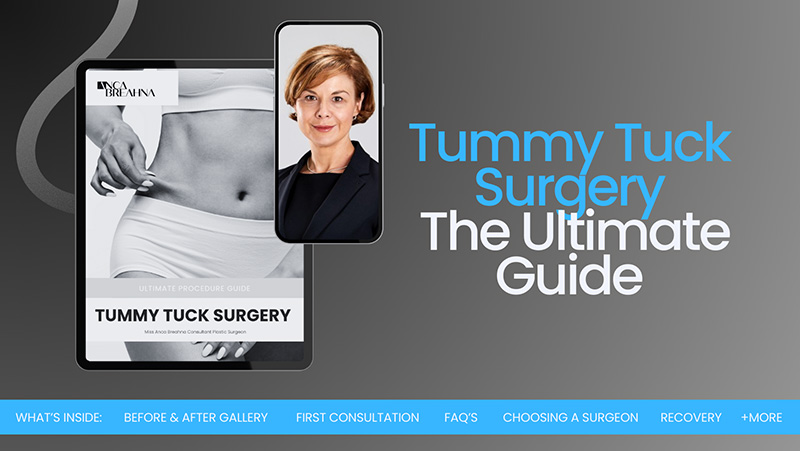
Download Miss Anca Breahna’s Tummy Tuck Guide
Non-Surgical Options: When Is Conservative Management Appropriate?
In the early stages or in milder cases, non-surgical management can be a viable and effective approach. Physiotherapy is often the first step, especially in the postpartum setting. A structured rehabilitation programme focuses on reactivating the deep abdominal muscles and pelvic floor, enhancing stability and encouraging gradual closure of the gap.
These programmes include targeted core exercises that avoid excessive intra-abdominal pressure, which might worsen the separation. Breathing techniques, gentle muscle engagement, and postural alignment are fundamental elements. Over time, some individuals experience meaningful improvement in core function and appearance.
Conservative management is typically most effective in patients with a smaller muscle gap, good skin tone, and minimal associated symptoms. Miss Anca Breahna supports patients in Chester who prefer a non-surgical approach initially. She ensures that any recommendation for surgery only follows careful assessment and appropriate attempts at physiotherapy or core rehabilitation.
When Surgery Becomes an Option
Surgical repair may be appropriate when conservative methods do not bring sufficient improvement, or when the gap is wide and associated with functional impairment. Signs that surgery may be suitable include continued core weakness, back discomfort, a persistent bulge, or emotional distress related to body image and physical limitations.
In Chester, Miss Anca Breahna provides a detailed consultation to determine whether surgery is the right next step. This involves a comprehensive assessment of the abdominal wall, measurement of the inter-recti distance, evaluation of skin elasticity, and a discussion of lifestyle goals. She considers whether you are physically healthy, your weight is stable, and your expectations align with what surgery can offer.
Some patients choose to combine muscle repair with a tummy tuck procedure if they also have excess skin or weakened abdominal tissues. However, this is not a requirement. Muscle repair can be performed as a standalone operation, tailored precisely to the individual’s needs.
Localised Trends and Insights in the UK and Chester Region
Aside from knowing when surgery becomes an option for restoring abdominal muscles, knowing the trends concerning this surgery in your local area helps give additional validation for your decision to pursue the surgical path. Plastic surgery in the UK is increasingly focused on both functional and aesthetic results. In Chester and surrounding regions, more women are seeking abdominal muscle repair alongside body contouring after pregnancy or weight loss. At her private clinic in Chester and at Spire Murrayfield in Wirral, Miss Anca Breahna sees a trend of patients who value not just appearance, but also core strength and how their body feels.
In the UK context, surgical access may vary; many health‑commissioning guidelines emphasise that repair of diastasis recti for purely cosmetic reasons may not be routinely funded. But for patients with functional impairment, plastic surgeons like Miss Breahna provide clear assessment pathways in the private sector. The focus remains on quality of care, evidence‑based decision‑making and patient‑centred outcomes.
For patients travelling from Liverpool, North Wales or Cheshire to Chester, the accessibility of her practice and the integration of reconstructive and aesthetic expertise provide reassurance.
Do’s and Don’ts Before and After Your Muscle Repair
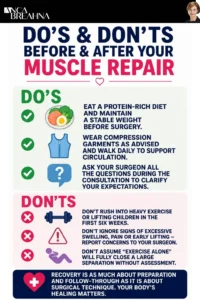
Before scheduling a muscle repair surgery, taking the necessary precautions is imperative. Knowing what to do and not to do before and after the procedure improves the outcome and hastens the healing after surgery. The following are a few of the dos and don’ts you need to know:
Do’s:
- Eat a protein‑rich diet and maintain a stable weight before surgery
- Wear compression garments as advised and walk daily to support circulation
- Ask your surgeon all the questions during the consultation to clarify your expectations
Don’ts:
- Don’t rush into heavy exercise or lifting children in the first six weeks
- Don’t ignore signs of excessive swelling, pain or early lifting – report concerns to your surgeon
- Don’t assume “exercise alone” will fully close a large separation without assessment
Miss Anca Breahna emphasises these guidelines in her Chester clinic because recovery is as much about preparation and follow‑through as it is about surgical technique. Your body’s healing matters.
What Happens During Surgical Muscle Repair?
Muscle repair for diastasis recti is typically carried out under general anaesthesia in a hospital setting. An incision is made in the lower abdomen, often low enough to be concealed within typical underwear lines. Through this access point, the surgeon brings the separated rectus abdominis muscles back together and secures them with strong internal sutures.
In cases where additional support is needed, particularly if the separation is extensive or tissue quality is poor, a surgical mesh may be placed beneath the muscle layers. This reinforcement helps maintain the integrity of the repair and reduces the likelihood of recurrence.
Miss Anca Breahna uses a technique that balances function and aesthetics, always placing patient safety and anatomical integrity first. The goal is not only to correct the separation but also to restore a natural contour to the abdomen. She ensures the repair aligns with your body structure and long-term health.
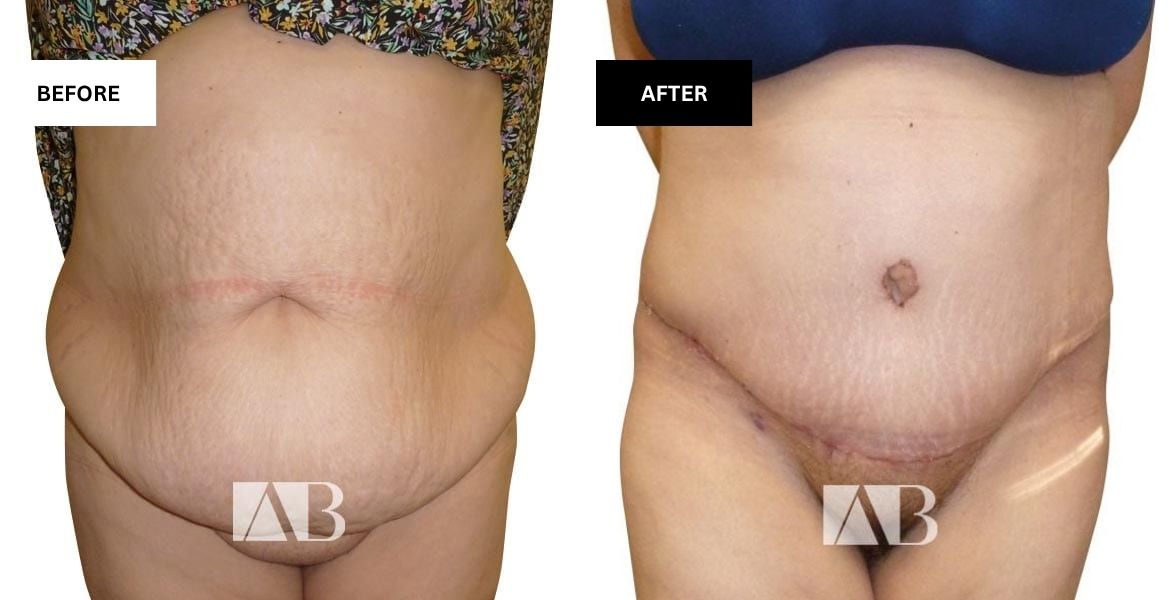
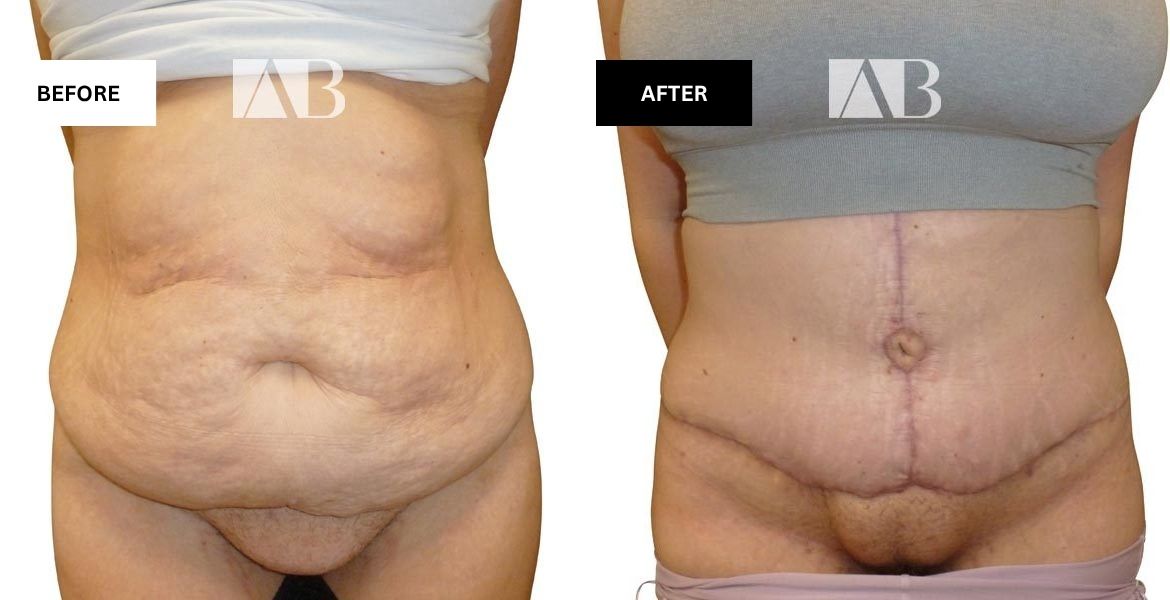
Tummy Tuck Before and After Photos
Recovery: What to Expect After Surgery
Recovery from muscle repair surgery involves a phased return to daily life. In the first two weeks, patients are encouraged to rest, wear compression garments, and avoid any strenuous activity. Walking is beneficial during this period to support circulation and reduce the risk of complications.
Light activities may resume after two to three weeks, depending on how your body heals. Most patients return to desk-based jobs within this window, though physically demanding work may require additional time off. Gentle core engagement exercises, as guided by Miss Breahna or a physiotherapist, may begin a few weeks into recovery.
Full recovery, including return to high-impact activities and strength training, can take several months. Patients often report emotional relief and renewed confidence as their abdominal support improves. Miss Anca Breahna and her Chester team provide ongoing guidance to ensure a smooth, well-supported healing process.
Is It Right for You? How Miss Anca Breahna Guides the Decision
Deciding whether to pursue surgery for diastasis recti involves more than measuring a muscle gap. It requires a clear understanding of your symptoms, your health status, and your personal goals. Miss Anca Breahna leads this discussion with clarity and compassion, offering patients a space to ask questions and share concerns.
She evaluates your lifestyle, fitness levels, and previous attempts at core rehabilitation. If surgery is appropriate, she explains the risks, recovery timelines, and expected outcomes so you feel empowered to make the right decision for your body. A stable weight, non-smoking status, and realistic expectations are important factors in determining readiness for surgery.
Whether your goal is to restore core strength, improve physical function, or feel more at ease in your own body, the process begins with a careful conversation. Every treatment plan at Miss Breahna’s Chester clinic is built on individual needs and surgical expertise.
Why Patients Choose Miss Anca Breahna in Chester
Miss Anca Breahna is known for her calm, respectful, and detailed approach to patient care. As one of the few female Consultant Plastic & Reconstructive Surgeons in the Chester region, she offers a unique perspective on body changes, particularly those related to pregnancy or significant weight loss.
Her dual background in the NHS and private sector provides a broad foundation of experience. Patients across Chester, Wirral, and North Wales choose her not only for her surgical skill but also for the confidence they gain through her honest and supportive care.
Consultations are available at Nuffield Health The Grosvenor Hospital Chester and Spire Murrayfield Hospital Wirral. Patients appreciate the local accessibility and high standard of care provided at these facilities, where every journey is handled with discretion, empathy, and attention to detail.

FAQs About Surgery for Diastasis Recti – Muscle Repair
What if I have no visible bulge but still feel my core is weak?
Core weakness without a bulge can still relate to abdominal separation. Miss Anca Breahna assesses your muscle gap, strength and movement to decide if surgery might help.
Can men benefit from this surgery, or is it only for women?
Men can also develop diastasis recti (for example, due to heavy lifting or central obesity). Miss Breahna’s assessment in Chester applies to both genders, focusing on anatomy and symptoms rather than gender alone.
Will the surgery fix my stretch marks or loose skin?
Muscle repair focuses on structural support. If loose skin is present, the surgeon may offer a combined abdominoplasty at the same time, but that is a separate decision discussed during your consultation.
How long after pregnancy should I wait before surgery?
Surgery is usually considered once you have stopped expanding (i.e., no future pregnancies planned) and your weight is stable. Miss Anca Breahna reviews timing individually in her Chester clinic.
If I have had previous abdominal surgery, does that rule me out?
Not automatically. Previous surgery affects scar tissue and anatomy, but Miss Breahna in Chester assesses these factors and may still offer muscle repair if it is safe and beneficial.
Will I be able to return to sports and active lifting after recovery?
Yes, many patients return to fitness and lifting when cleared. Recovery timelines vary, and Miss Breahna tailors your rehabilitation plan so you can resume safely.
What happens if I become pregnant again after muscle repair?
Future pregnancy may stretch the midline again. Miss Anca Breahna discusses this during your consultation and often recommends delaying surgery until after your family is complete.
Medical References
- Cohort Study of the Effect of Surgical Repair of Symptomatic Diastasis Recti Abdominis on Abdominal Trunk Function and Quality of Life (BJS Open) – https://academic.oup.com/bjsopen/article/5/5/zrab085/6369782
- An Overview of the Management of Diastasis of the Rectus Abdominal Muscles (Global Journal of Surgery Case Reports) – https://www.gjscr.com/article/141864-an-overview-of-the-management-of-diastasis-of-the-rectus-abdominal-muscles
- Comparative Analysis of the Efficacy and Functionality of Abdominoplasty Versus Minimally Invasive Techniques in the Surgical Treatment of Diastasis Rectus Abdominis in Postpartum Women (Surgical Endoscopy) – https://link.springer.com/article/10.1007/s00464-023-10540-w
Take The First Step Toward Restoring Core Confidence
If you are experiencing a persistent abdominal bulge, discomfort, or core weakness that is affecting your daily life, it may be time to explore surgical repair. If you wish to discreetly enquire about your condition, our enquiry page helps you set proper expectations before scheduling a consultation. A consultation with Miss Anca Breahna in Chester will give you a clear, honest evaluation of whether muscle repair is right for you.
If you prefer detailed and multi-angle views of your abdomen, we also have another option available. You can use the online photo assessment tool on her website to begin your journey. With expert support and personalised care, your path to restored strength and confidence is closer than you think.
Further Reading
- Read more about Body Procedures
- Read more about Mini Tummy Tuck
- Read more about Mummy Makeover
- Read more about Liposuction
- Read Miss Anca Breahna’s Blog on Myths and Facts about Tummy Tuck Surgery
- Read Miss Anca Breahna’s Blog on Who Is the World’s Best Tummy Tuck Surgeon?
- Read Miss Anca Breahna’s Blog on Mini Tummy Tuck Vs Full Tummy Tuck
- Read Miss Anca Breahna’s Blog on What Is Included In A Mummy Makeover And Is It Done In One Surgery?
About Anca Breahna – Consultant Plastic Surgeon
 Miss Anca Breahna, PhD, MSc, FEBOPRAS, FRCS (Plast), is a Consultant Plastic, Reconstructive and Aesthetic Surgeon based in Chester with extensive experience in abdominal contouring and reconstructive surgery. Her specialist background is particularly relevant to abdominoplasty, where careful assessment of excess skin, abdominal muscle separation, fat distribution and overall waist contour is essential when planning surgery.
Miss Breahna performs tummy tuck surgery in Chester for patients affected by loose abdominal skin, stretched or separated muscles, or changes following pregnancy and significant weight loss. During consultation, she considers skin quality, muscle tone, body shape, medical history and individual goals before deciding whether a full abdominoplasty, mini tummy tuck or another approach is most suitable. As an experienced plastic surgeon in Chester, her approach focuses on balanced abdominal contouring, thoughtful scar placement, appropriate muscle repair and realistic expectations, with liposuction considered in selected cases where it may help refine the final shape.
Back to blog