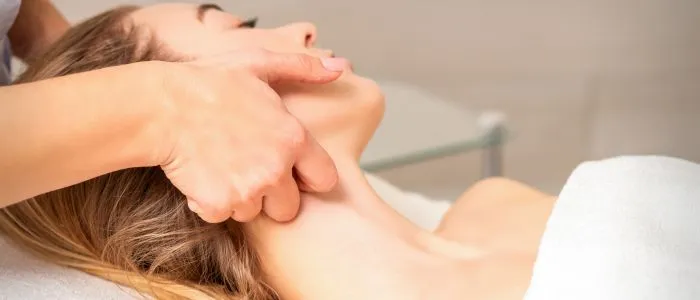
- When and How to Start Lymphatic Massage after Plastic Surgery
- What Is Lymphatic Massage?
- When to Start Lymphatic Massage after Surgery
- Types of Plastic Surgeries and Lymphatic Massage
- Benefits of Lymphatic Massage in Post-Plastic Surgery Recovery
- The Role of Lymphatic Massage in Long-Term Recovery
- ✓ Maintaining Results
- ✓ Integrating with Other Post-Operative Care
- Compression Garments and Lymphatic Massage After Plastic Surgery
- Before Booking Postoperative Lymphatic Massage
- FAQs about Lymphatic Massage after Plastic Surgery
- Further Reading about Plastic Surgery
When and How to Start Lymphatic Massage after Plastic Surgery
When it comes to cosmetic surgery, the post-operative period is as important as the surgery itself. Anca Breahna Plastic Surgeon, renowned for its commitment to excellence in patient care, emphasises the importance of post-surgical treatments. One such treatment, which has gained significant attention, is lymphatic massage.
Under the expert guidance of Consultant Plastic Surgeon Anca Breahna, we explore the benefits of lymphatic massage following plastic surgery.
What Is Lymphatic Massage?
The lymphatic system is a crucial part of the immune system. It comprises a network of vessels and nodes that transport a clear fluid called lymph. This system plays a vital role in removing toxins and waste products from the body. Lymphatic massage, also known as lymphatic drainage, is a gentle massage technique. It aims to stimulate the lymphatic system, enhancing the removal of waste products and excess fluids from body tissues. This technique is particularly beneficial after plastic surgery, where the body undergoes significant changes and needs support to recover optimally.
Lymphatic massage works by applying gentle pressure and rhythmic circular movements to stimulate the lymphatic system. This stimulation encourages the movement of lymph fluids around the body, which helps remove waste and toxins from the bodily tissues.
When to Start Lymphatic Massage after Surgery
There is no single correct time to begin lymphatic massage after surgery. Timing depends on the procedure, wound healing, swelling, drains, complications and your surgeon’s postoperative protocol. Do not arrange postoperative massage until your surgical team has advised that it is appropriate.
Before starting lymphatic massage, it’s essential to consult with your surgeon. Anca and her team at Anca Breahna Plastic Surgeon work closely with patients to determine the best time to begin lymphatic massage, ensuring it aligns with the healing process.
Types of Plastic Surgeries and Lymphatic Massage
- Liposuction and Tummy Tucks: After procedures like liposuction and tummy tucks, lymphatic massage can be particularly beneficial. It helps to reduce swelling and prevent the formation of fibrosis, which can be a common complication after these types of surgeries
- Breast Augmentation and Reduction: For surgeries such as breast augmentation or reduction, lymphatic massage can help in reducing swelling and discomfort, as well as in minimising scarring
- Facial Cosmetic Surgeries: Following facial surgeries, lymphatic massage can aid in reducing swelling and bruising around the face and neck, enhancing the overall aesthetic outcome
Benefits of Lymphatic Massage in Post-Plastic Surgery Recovery
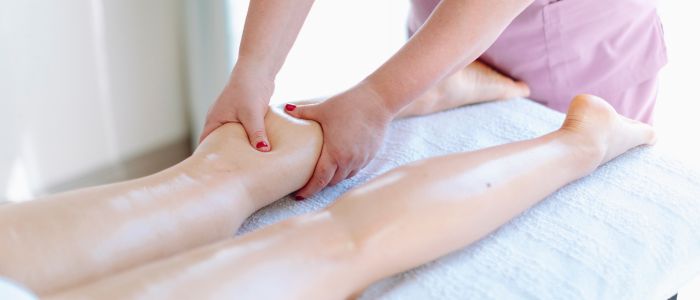
- Reducing Swelling and Bruising
After plastic surgery, it’s common for patients to experience swelling and bruising. Lymphatic massage helps reduce these symptoms by enhancing lymph flow. This increased flow aids in the removal of excess fluid and waste products, leading to a quicker reduction in swelling and bruising. - Accelerating Healing
By improving lymph circulation, lymphatic massage facilitates the delivery of nutrients and oxygen to the cells. This enhanced circulation accelerates the healing process, allowing for a quicker recovery post-surgery. - Preventing Fibrosis
Fibrosis, the formation of hard tissue, is a common complication after surgeries like liposuction. Lymphatic massage helps prevent the formation of fibrosis by maintaining a smooth flow of lymph, thus preventing the build up of fibrous tissue. - Enhancing Comfort and Relaxation
Lymphatic massage is not only therapeutic but also relaxing. It can significantly enhance the overall comfort of patients during the recovery phase, promoting a sense of well-being and relaxation. - Improving Skin Condition
Post-surgical skin can often appear swollen, bruised, or stretched. Lymphatic massage helps improve the condition and appearance of the skin by promoting better circulation and lymph flow.
The Role of Lymphatic Massage in Long-Term Recovery
✓ Maintaining Results
Lymphatic massage not only aids in the immediate post-operative period but also plays a role in maintaining the results of the surgery in the long term. Regular lymphatic drainage can help keep the skin and tissues healthy, ensuring the longevity of the cosmetic surgery results.
✓ Integrating with Other Post-Operative Care
Lymphatic massage is often part of a broader post-operative care regimen. This may include other therapies such as compression garments, specialised exercises, and dietary recommendations. Anca and her team provide a comprehensive care plan that integrates all these elements for optimal recovery.
Compression Garments and Lymphatic Massage After Plastic Surgery
Compression garments play an important role in enhancing the effectiveness of lymphatic massage following plastic surgery, offering a synergistic approach to post-operative recovery. The primary goal of these garments is to apply gentle, consistent pressure to the operated area, which significantly aids in managing post-surgical swelling and bruising. This compression is not just about reducing swelling; it also helps in shaping and contouring the body, particularly after procedures like liposuction or tummy tucks.
When combined with lymphatic massage, a technique specifically designed to stimulate the lymphatic system, the benefits are amplified. Lymphatic massage encourages the drainage of lymph, a fluid that carries waste products away from tissues back toward the heart. After surgery, this system can become overwhelmed due to the body’s natural inflammatory response. The gentle, rhythmic pressure of lymphatic massage helps to move excess lymph and fluid out of the tissues and into the lymphatic system, where it can be processed and eliminated from the body.
Compression garments enhance this process by providing a continuous, external pressure, which helps to keep excess fluid and swelling under control. This pressure not only supports the lymphatic system in removing fluid more efficiently but also prevents the accumulation of fluid in the first place. By doing so, compression garments can reduce the risk of seromas (pockets of fluid) and other complications that can arise from fluid build up.
More than this, the use of compression garments after lymphatic massage helps in maintaining the results of the massage for a longer period. After the massage, when the lymphatic channels have been cleared and fluid has been moved, the compression garment ensures that this fluid does not reaccumulate in the tissues.
Before Booking Postoperative Lymphatic Massage
Manual lymphatic drainage may be appropriate after some plastic surgery procedures, but it should not be started without guidance from your surgical team. The timing, technique and frequency can vary depending on the operation performed, the stage of healing and whether there are any postoperative concerns.
Before arranging lymphatic massage after surgery:
- Ask your surgeon whether it is appropriate for you. Not every patient or procedure requires lymphatic massage, and there may be situations where it should be delayed or avoided.
- Confirm when it is safe to begin. The appropriate timing depends on factors such as wound healing, swelling, drains, bruising and the type of surgery performed.
- Choose a suitably trained practitioner. Postoperative lymphatic drainage requires a gentle and appropriate technique, so the therapist should have relevant training and experience working with patients after surgery.
- Explain exactly which procedure you have had and when it was performed. Your therapist should understand the surgical area, the date of surgery and any specific instructions provided by your surgeon.
- Tell the practitioner about any postoperative concerns. This includes problems with wounds, increasing redness or swelling, suspected infection, seroma, persistent pain, drains, or any history or concern relating to blood clots.
- Follow your surgeon’s postoperative instructions. Lymphatic massage should complement your recovery plan rather than replace wound care, compression garments, prescribed medication, mobilisation or follow-up appointments.
If lymphatic massage causes unexpected pain, increasing swelling, redness, wound problems or other new symptoms, stop the treatment and contact your surgical team for advice.
The most appropriate approach is individual. Your surgeon can advise whether manual lymphatic drainage has a role in your recovery and when it may be introduced safely.

FAQs about Lymphatic Massage after Plastic Surgery
Is lymphatic massage painful?
Lymphatic massage is designed to be a gentle and soothing technique, focusing on light pressure and rhythmic movements. It should not cause pain. In fact, many patients find it to be a relaxing and pleasant experience. The gentle manipulation involved in lymphatic massage is intended to stimulate the lymphatic system without causing discomfort or strain to the body, especially in areas that are healing post-surgery. If you experience any discomfort during the massage, it’s important to communicate this to your therapist, as they can adjust their technique accordingly. Remember, the goal of lymphatic massage is to aid in your recovery and enhance your comfort during the healing process.
How soon after surgery can I start lymphatic massage?
The ideal time to start lymphatic massage post-surgery varies depending on the type of surgery and individual healing processes. Generally, lymphatic massage can begin a few days to a week after surgery, but in some cases, it might be recommended to wait a bit longer. It’s crucial to have a personalised consultation with Anca, who can advise you based on your specific situation. The timing is important because starting too early might be counterproductive, while starting too late might slow down the benefits it can offer. Anca, possibly in consultation with a lymphatic massage therapist, will determine the most appropriate time to begin this therapy as part of your post-operative care plan.
How often should I have lymphatic massage after surgery?
The frequency of lymphatic massage sessions after surgery depends on various factors, including the type of surgery you’ve undergone, your overall health, and how your body is responding to recovery. Typically, Anca or a qualified lymphatic massage therapist will recommend a schedule that may start with more frequent sessions – possibly several times a week – and then gradually decrease in frequency as your recovery progresses. It’s important to follow a tailored schedule that aligns with your healing process. Regular assessments will help adjust the frequency of the massages to ensure they are providing the maximum benefit without overburdening your body.
Can lymphatic massage help with all types of plastic surgery?
Lymphatic massage is beneficial after most types of plastic surgery, as it aids in reducing swelling, accelerating the healing process, and improving overall comfort during recovery. However, the specific benefits and appropriateness of lymphatic massage can vary depending on the type of surgery. For instance, it’s particularly helpful after procedures like liposuction, tummy tucks, and facelifts, where reducing swelling and preventing fluid build-up are crucial for optimal results. For surgeries that involve significant tissue manipulation or removal, such as major reconstructive surgeries, the approach might be different. It’s always important to consult with Anca to understand how lymphatic massage can be integrated into your post-operative care plan, considering the specifics of your surgery and individual health needs.
Medical References about Lymphatic Massage and Plastic Surgery
- How to Perform Lymphatic Drainage Massage
- Manual Lymphatic Drainage in Postoperative Abdominoplasty With Core Liposuction Patients
- Lymphedema Management
- Overview of Lymphedema
Further Reading about Plastic Surgery
- Read more about How to Reduce Swelling and Bruising After Liposuction Surgery
- Read more about How to Reduce Swelling and Bruising after Tummy Tuck Surgery
- Read more about Expert Tips to Reduce Swelling and Bruising after Breast Augmentation Surgery
- Read more about Reduce Swelling and Bruising after Breast Reduction Surgery