- Take our Plastic Surgery Quiz to find out if you'd be a good candidate for cosmetic surgery.
- Understanding Swelling and Bruising After Liposuction
- What to Expect During the Recovery Period
- Download Miss Anca Breahna's Liposuction Guide
- Effective Strategies to Reduce Swelling
- ✓ Wear a Proper Compression Garment
- ✓ Incorporate Gentle Movement Early On
- ✓ Elevate the Treated Areas When Resting
- ✓ Stay Hydrated to Support Healing
- ✓ Use Cold Compresses in the Early Days
- ✓ Consider Lymphatic Drainage Massage If Recommended
- Liposuction Before and After Photos
- How to Reduce Bruising After Liposuction
- Plan Ahead Before Surgery
- Stick to Your Post-Operative Instructions
- Apply Topical Treatments With Caution
- How the Surgeon Influences Recovery Outcomes
- Managing Expectations Throughout the Healing Process
- Frequently Asked Questions About Swelling and Bruising After Liposuction
- Know When to Contact Your Surgeon
- Take Control of Your Recovery After Liposuction
- Schedule a Consultation with Miss Anca Breahna
- Further Reading
- About Anca Breahna – Consultant Plastic Surgeon
Liposuction continues to be one of the most popular cosmetic procedures worldwide, helping patients achieve a more refined and proportionate body contour. While the surgical technique itself plays a key role in the final outcome, the recovery process is equally important. One of the most common concerns among patients following liposuction is the presence of swelling and bruising. These effects are completely normal and expected, but understanding them and knowing how to manage them effectively can make the recovery process smoother and more comfortable.
Miss Anca Breahna is a leading Consultant Plastic & Reconstructive Surgeon based in Chester, UK. With private practices at Nuffield Health The Grosvenor Hospital in Chester and ASET Hospital in Liverpool, she specialises in delivering natural-looking, refined results using advanced surgical techniques. In this article, she offers a comprehensive guide on how to reduce swelling and bruising after liposuction, helping patients feel more confident and informed every step of the way.
Take our Plastic Surgery Quiz to find out if you’d be a good candidate for cosmetic surgery.
Understanding Swelling and Bruising After Liposuction
Swelling and bruising after liposuction are part of the body’s natural healing process. Liposuction involves the removal of unwanted fat deposits using a thin tube called a cannula. As this instrument passes through the fat layers, it creates small tunnels and disrupts the surrounding tissues. This can result in trauma to blood vessels, lymphatic channels, and soft tissue, which triggers the body’s inflammatory response.
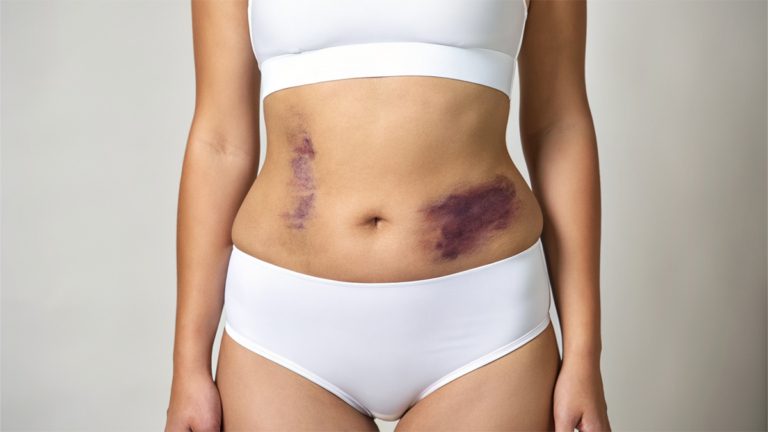
Swelling, also known as oedema, occurs as fluid accumulates in the tissues. This is your body’s way of managing the trauma and beginning the repair process. Bruising, or ecchymosis, results from small blood vessels breaking and leaking blood into the surrounding tissues. Both are completely normal and can vary in intensity depending on the extent of the procedure, your overall health, and your individual healing response.
What to Expect During the Recovery Period

Every patient’s recovery journey is unique, but there are general timelines and patterns that most people experience. Swelling usually begins within hours of surgery, peaks within the first three to five days, and then gradually begins to subside. Bruising may be visible within the first 24 hours and can deepen in colour before fading over the following two to three weeks.
In the first week, you may feel sore, swollen, and tight in the treated areas. Movement may be slightly restricted, and you may find it uncomfortable to stand or walk for long periods. By the second week, bruising typically begins to fade, and swelling slowly starts to reduce. However, it is common for some degree of swelling to persist for several weeks or even months, especially in areas with larger fat removal.
Final results may not be fully visible until three to six months after surgery, once all residual swelling has resolved and your body has had time to adapt and settle. Many patients also wonder what happens to fat cells after the procedure and whether they can return over time. You can learn more in our guide on Do Fat Cells Return After Liposuction? It is important to remain patient and avoid comparing your healing process to others, as factors like age, skin elasticity, and general health can significantly impact recovery.
Download Miss Anca Breahna’s Liposuction Guide
Effective Strategies to Reduce Swelling
The good news is that there are several effective strategies to minimise swelling and support a faster, more comfortable recovery. These include both active and passive measures that patients can adopt at home under the guidance of their surgical team.
✓ Wear a Proper Compression Garment
One of the most important tools in post-liposuction recovery is the compression garment. These specially designed garments provide gentle, uniform pressure to the treated areas, which helps reduce fluid build-up, supports tissue healing, and encourages the skin to retract smoothly over the new contours.
Miss Anca Breahna provides each patient with a tailored garment plan based on their individual needs and the area treated. Choosing the best compression garment after liposuction depends on the treatment area, level of support required and stage of recovery. Wearing the garment consistently during the initial weeks after surgery is crucial. Most patients are advised to wear it for at least four to six weeks, with full-time wear during the first two weeks. It is important to ensure the garment fits well—not too tight to cause discomfort or restrict blood flow, but snug enough to provide adequate support.
✓ Incorporate Gentle Movement Early On
While rest is important, light movement is equally essential after liposuction. Gentle walking promotes healthy circulation and encourages lymphatic drainage, both of which help reduce swelling. Movement also helps prevent complications like blood clots and stiffness.
Miss Breahna advises her patients to begin short walks as early as the day after surgery, gradually increasing their activity level as tolerated. Avoid strenuous exercise, heavy lifting, or any high-impact activity for at least four to six weeks, depending on your surgeon’s guidance.
✓ Elevate the Treated Areas When Resting
When resting or sleeping, try to keep the treated areas elevated above the level of your heart if possible. This helps gravity assist in fluid drainage and can reduce swelling more effectively. For example, if liposuction was performed on your thighs or abdomen, propping your legs up with pillows while lying down can be beneficial.
✓ Stay Hydrated to Support Healing
Drinking plenty of water is essential during the recovery phase. Adequate hydration supports your body’s natural healing mechanisms and helps flush out excess fluids and waste products. Aim for at least eight to ten glasses of water a day, unless otherwise instructed by your medical team.
It is also wise to limit your intake of salt and processed foods, which can contribute to fluid retention and worsen swelling. Avoid alcohol during the early recovery phase, as it can dehydrate the body and interfere with the healing process.
✓ Use Cold Compresses in the Early Days
In the immediate post-operative period, applying cold compresses to the affected areas can help reduce inflammation and discomfort. Always place a soft cloth between the ice pack and your skin to prevent cold burns. Use cold compresses for no more than 15 to 20 minutes at a time, with breaks in between.
✓ Consider Lymphatic Drainage Massage If Recommended
Some patients benefit from gentle lymphatic drainage massage, which is a specialised technique that encourages fluid movement through the lymphatic system. This can help reduce swelling and improve comfort. However, it is essential to only undergo this type of massage if recommended by your surgeon and performed by a qualified therapist with experience in post-surgical care.
Liposuction Before and After Photos


How to Reduce Bruising After Liposuction
While bruising is a natural consequence of surgical intervention, there are several ways to reduce its severity and support faster healing.
Plan Ahead Before Surgery
During your consultation with Miss Anca Breahna, a thorough review of your medical history, current medications, and supplements is conducted. Certain substances, such as aspirin, ibuprofen, and some herbal supplements, can thin the blood and increase the risk of bruising. Patients are typically advised to stop taking these (under medical supervision) at least one to two weeks before surgery.
Stick to Your Post-Operative Instructions
Adhering to your surgeon’s aftercare instructions can significantly impact the extent and duration of bruising. This includes taking prescribed medications as directed, avoiding smoking, and protecting the treated areas from excessive pressure or trauma.
Apply Topical Treatments With Caution
Some patients use topical creams such as arnica or vitamin K to reduce the appearance of bruises. These should only be applied if specifically approved by your surgeon. Never self-medicate or apply products without discussing them with your care team, as some substances may interfere with healing.
How the Surgeon Influences Recovery Outcomes

Much of the success in managing post-operative symptoms like swelling and bruising begins with the surgeon’s technique and planning. Miss Anca Breahna, Consultant Plastic & Reconstructive Surgeon in Chester, places a strong emphasis on meticulous, gentle surgical methods that minimise trauma to surrounding tissues. This refined approach helps to limit the extent of inflammation and bruising from the outset.
Furthermore, Miss Breahna tailors each patient’s surgical and recovery plan based on their individual goals, anatomy, and lifestyle. Her patients benefit from clear communication, realistic expectations, and ongoing support throughout the healing process. By choosing a highly experienced specialist, patients can feel confident in every stage of their treatment, from consultation to recovery.
Managing Expectations Throughout the Healing Process
It is important to remember that liposuction is not an instant transformation. The body needs time to adjust, heal, and reveal the final results. In the early weeks, swelling may obscure the improved contours, and bruising may affect your perception of the outcome. This can sometimes cause emotional frustration or anxiety, especially for patients who are eager to see change.
Miss Anca Breahna encourages patients to take a long-term view of their recovery. Taking weekly photos can help you notice subtle improvements over time. Celebrate small milestones like increased comfort, fading bruises, or easier movement. Recovery is not a linear process, and progress may come in waves.
Everyone heals differently, and there is no universal timeline. Factors like age, skin quality, and pre-existing health conditions all play a role. Being kind to your body and following your post-op plan diligently will give you the best possible chance of a smooth, rewarding recovery.
Frequently Asked Questions About Swelling and Bruising After Liposuction
Why do I feel more swollen at night than in the morning?
Swelling often worsens later in the day due to gravity and reduced movement. As you go about your day, fluid can accumulate in the treated areas, especially if you’re standing or sitting for long periods. Elevating the area in the evening can help relieve this.
Is it normal to feel squishy or hear sloshing sounds under my skin?
Yes, this can be a result of fluid trapped in the healing tissue, known as postoperative seroma or normal swelling. It’s usually harmless and resolves over time. If it persists or increases suddenly, contact your surgical team for an assessment.
Can my emotions affect my swelling or healing process?
Absolutely. Stress hormones can impact your immune response and inflammation levels. Staying calm, rested, and supported can contribute positively to your healing and overall experience.
Why do my compression garments feel tighter some days than others?
This can be due to natural fluctuations in swelling, hydration, and even your salt intake. It’s a good sign that your body is actively healing. Keep wearing the garment as instructed unless you notice unusual discomfort or skin irritation.
My bruises are turning green and yellow, should I be worried?
No, that’s completely normal. Bruises change colour as your body breaks down the blood cells and reabsorbs them. This rainbow of colours is part of the natural healing timeline.
Can I massage the swelling myself to speed things up?
Only if advised by your surgeon. Incorrect massage technique or pressure can worsen swelling or damage healing tissue. If approved, a trained post-op therapist is best.
Why do I feel itchy around the treated areas?
Mild itching is a common sign of healing as nerves regenerate and skin adjusts. Avoid scratching, especially near incisions. Applying a surgeon-approved moisturiser (once permitted) may help soothe the sensation.
Can drinking pineapple juice really reduce bruising?
Pineapple contains bromelain, an enzyme believed to help with inflammation and bruising. While the evidence is limited, some patients find it helpful as part of a healthy diet. Always check with your surgeon before adding supplements or remedies to your routine.
Will wearing Spanx or shapewear help if I lose my surgical garment?
These may offer light support but aren’t a substitute for medical-grade compression garments. Surgical garments are designed specifically to support healing tissue and optimise contour. If your original garment is damaged or lost, contact your surgical team for a replacement.
Is it possible for swelling to come back months after surgery?
Yes, small fluctuations in swelling can happen for several months, especially after exercise, heat exposure, or travel. This is part of the body’s slow, ongoing healing. However, sudden or extreme swelling after the initial recovery should always be reviewed by your surgeon.
Medical References
- “The Effect of Tranexamic Acid Administration During Liposuction on Bleeding Complications and Ecchymosis: A Systematic Review” — ElAbd R. et al., Aesthetic Surgery Journal, Vol 45, Issue 2 (February 2025) – https://academic.oup.com/asj/article-abstract/45/2/171/7750416?
- Evaluation of Kinesio Taping for Edema, Ecchymosis, and Pain After Liposuction — Aesthetic Surgery Journal, Vol 43, Issue 10 (2023) – https://academic.oup.com/asj/article/43/10/NP787/7209358?
- Role of Compression After Liposuction — Veins and Lymphatics, PagePress Journals (2024) – https://www.pagepressjournals.org/vl/article/view/5990/6035?
Know When to Contact Your Surgeon
While most swelling and bruising are normal, it is essential to be aware of signs that may indicate a complication. Contact your surgeon promptly if you experience:
- Sudden increase in swelling after initial improvement
- Significant asymmetry or fluid-filled lumps
- Intense pain that does not improve with medication
- Redness, warmth, or discharge at the incision sites
- Fever or chills
- Shortness of breath or chest pain
Miss Anca Breahna and her team are committed to providing comprehensive aftercare. With practices based in Chester and Liverpool, she ensures her patients have access to support and follow-up care throughout their recovery journey.
Take Control of Your Recovery After Liposuction
Swelling and bruising are temporary, manageable parts of the healing journey after liposuction. By understanding why they occur and taking proactive steps, you can significantly improve your comfort, speed up your recovery, and enhance your overall results.
Choosing an experienced, skilled surgeon is one of the most important decisions you will make. As a Consultant Plastic & Reconstructive Surgeon in Chester, Miss Anca Breahna combines advanced surgical expertise with compassionate, individualised care. Her approach ensures that every patient feels informed, supported, and empowered at every stage.
Schedule a Consultation with Miss Anca Breahna
If you are considering liposuction or have questions about the recovery process, Miss Anca Breahna is here to help. With practices at Nuffield Health The Grosvenor Hospital in Chester and ASET Hospital in Liverpool, she offers patients access to exceptional surgical care in trusted settings.
Contact Miss Breahna’s team today to begin your journey toward a more confident you:
Phone: 07538 012918
Email: contact@ancabreahna.com
Website: www.ancabreahna.com
Miss Anca Breahna – Consultant Plastic & Reconstructive Surgeon, Chester, UK
Clinics available at:
- Cheshire Cosmetic Surgery – Main Clinic
Chester Wellness Centre
Wrexham Road, Chester, CH4 9DE
- Nuffield Health The Grosvenor Hospital, Chester
- ASET Hospital, Liverpool
Further Reading
- Read Dr Breahna’s Blog on Arm Lift or Arm Liposuction
About Anca Breahna – Consultant Plastic Surgeon

Miss Anca Breahna, PhD, MSc, FEBOPRAS, FRCS (Plast), is a Consultant Plastic, Reconstructive and Aesthetic Surgeon based in Chester with experience in body contouring and reconstructive surgery. Her background is particularly relevant to liposuction, where effective treatment depends not only on removing localised fat, but also on understanding skin quality, body proportions and how each treated area relates to the surrounding contours.
Miss Breahna performs liposuction in Chester for patients with stubborn areas of fat that persist despite a healthy weight and lifestyle. Common treatment areas include the abdomen, thighs, arms, buttocks and neck, and liposuction may also be combined with procedures such as abdominoplasty when appropriate. During consultation, she assesses fat distribution, skin elasticity, medical history and individual goals before recommending treatment. As an experienced plastic surgeon in Chester, her approach focuses on controlled fat removal, balanced contouring and realistic expectations, with clear guidance that liposuction is a body shaping procedure rather than a method of weight loss.
Back to blog