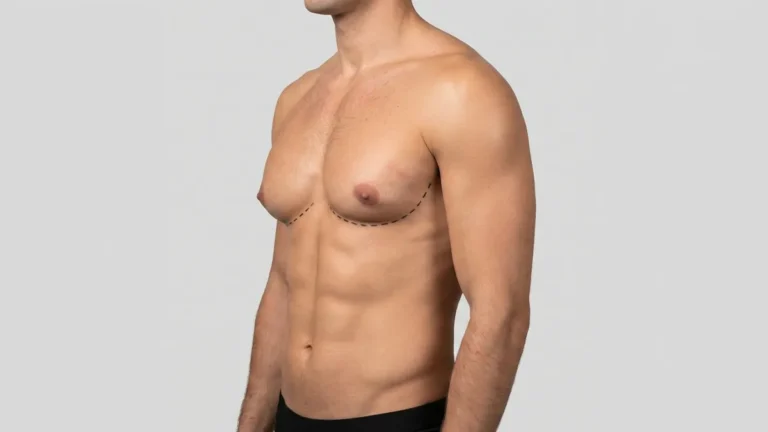
- Why Can Slim Men Develop Gynaecomastia?
- What Is Gynaecomastia?
- Why Can a Slim Man Have Chest Fullness With Very Little Body Fat?
- Why Is Gynaecomastia More Noticeable in Slim Men?
- Does Being Slim Prevent Gynaecomastia?
- What Causes Gynaecomastia in Slim Men?
- ✓ Pubertal Hormonal Changes
- ✓ Genetics
- ✓ Medications
- ✓ Anabolic Steroids and Hormonal Supplements
- ✓ Medical Conditions
- Can No Cause Be Found?
- Can Exercise Get Rid of Gynaecomastia?
- Can Diet Remove Glandular Tissue?
- How Is Gynaecomastia Diagnosed?
- How Does Treatment Differ When You Are Already Slim?
- Can Gynaecomastia Improve Without Surgery?
- Can Medication Treat Gynaecomastia?
- ✓ When Can Liposuction Help a Slim Man With Gynaecomastia?
- ✓ When Might a Slim Man Need Gland Excision?
- ✓ Why Might a Lean Chest Need Both Gland Excision and Limited Liposuction?
- Is Skin Removal Ever Needed?
- When Might Surgery Be Considered in a Slim Man?
- Who May Be Advised to Wait?
- What Are the Risks of Gynaecomastia Surgery?
- ✓ What Is a Haematoma?
- ✓ Can the Chest Look Indented?
- Can Gynaecomastia Return?
- Gynaecomastia Before and After Surgery
- What Is Recovery Like After Gynaecomastia Surgery in Slim Men?
- ✓ What Happens During the First Week?
- ✓ When Can You Return to Work?
- ✓ When Can You Return to the Gym?
- When Will the Final Result Be Visible?
- What Are the Alternatives to Surgery?
- What Costs Should You Consider?
- Take our Plastic Surgery Quiz to find out if you'd be a good candidate for cosmetic surgery.
- Summary
- FAQs About Gynaecomastia For Slim Men
- Next Step: Discuss Gynaecomastia Solutions With Miss Breahna
- Download Miss Anca Breahna's Gynaecomastia Surgery Guide
- Further Reading
Miss Anca Breahna, PhD, MSc, FEBOPRAS, FRCS (Plast), Consultant Plastic, Reconstructive and Aesthetic Surgeon in Chester, explains that slim men can develop gynaecomastia because the condition is caused by an enlargement of glandular breast tissue rather than simply an increase in body fat. Hormonal changes, genetics, certain medications, underlying medical conditions, and previous anabolic steroid use can all contribute, meaning that even men with a low body fat percentage may develop a prominent chest.
Many men assume that losing more weight or spending extra time in the gym will flatten their chest. While exercise and weight management can improve muscle definition and reduce fatty tissue, they cannot reliably remove established glandular breast tissue, which is why some lean and athletic men continue to feel self-conscious despite maintaining an excellent level of fitness.
Understanding the underlying cause of chest enlargement is the first step towards choosing the most appropriate treatment. This guide explains why gynaecomastia develops in slim men, how it differs from excess chest fat, what causes should be investigated, and the treatment options that may be considered before discussing gynaecomastia surgery.
Why Can Slim Men Develop Gynaecomastia?
Slim men can develop gynaecomastia because the condition is caused by enlargement of the breast gland rather than simply an accumulation of fat. Even men with very little body fat can develop noticeable breast tissue beneath one or both nipples.
Possible causes include:
- Hormonal changes during puberty or adulthood
- Genetic predisposition
- Increased sensitivity of breast tissue to hormones
- Certain prescription medications
- Previous anabolic steroid use
- Some medical conditions
- No identifiable cause
Weight loss and exercise can reduce surrounding fat, but they cannot remove firm glandular tissue once it has developed. This is why many lean men continue to notice chest fullness despite maintaining a healthy lifestyle.
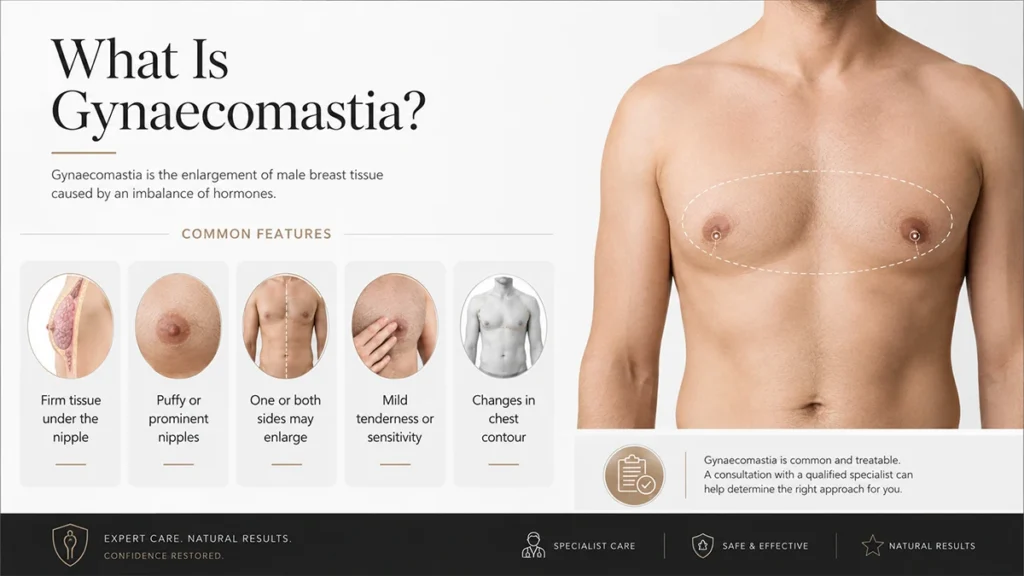
What Is Gynaecomastia?
Gynaecomastia is a benign enlargement of male breast gland tissue that can affect one or both sides of the chest. Although it is not usually dangerous, it can alter chest shape, create asymmetry, and have a significant impact on confidence.
Typical features include:
- Firm tissue beneath the nipple
- Puffy or prominent nipples
- One-sided or two-sided enlargement
- Mild tenderness or sensitivity
- Changes in chest contour
The amount of enlarged tissue varies considerably between individuals. Some men develop only a small disc of gland beneath the nipple, while others experience more extensive enlargement involving both glandular and fatty tissue.
Why Can a Slim Man Have Chest Fullness With Very Little Body Fat?
In a slim man, persistent chest fullness may be caused predominantly by glandular tissue, although some men have a mixture of gland and fat. This distinction matters because reducing body fat does not reliably remove established glandular tissue.
True gynaecomastia and excess chest fat are not the same condition, although they can look similar. Distinguishing between them is important because the most appropriate treatment depends on which tissue is causing the enlargement.
True glandular gynaecomastia commonly has the following features:
- Firm or rubbery tissue
- Located directly beneath the nipple
- Persists despite weight loss
- Often produces puffy nipples
- Usually cannot be removed through exercise alone
Pseudogynaecomastia is different because it mainly involves fatty tissue.
Typical features include:
- Softer consistency
- More diffuse chest fullness
- Associated with general weight gain
- Often improves with weight loss
- Usually less localised beneath the nipple
Many patients actually have a combination of glandular tissue and fat rather than one tissue type alone. This is why a detailed examination is necessary before deciding which treatment is most appropriate.
Why Is Gynaecomastia More Noticeable in Slim Men?
Lean men have very little surrounding fat to disguise even a small amount of enlarged breast tissue. As a result, the gland often becomes much more noticeable against an otherwise athletic or well-defined chest.
Slim men commonly notice:
- Puffy nipples in fitted clothing
- Localised swelling beneath the areola
- Chest asymmetry
- Loss of a flat chest contour
- Difficulty achieving their desired physique
The condition can be particularly frustrating because it often remains visible despite regular exercise and careful attention to diet. Many patients feel that the rest of their body reflects their hard work while the chest continues to look out of proportion.
Does Being Slim Prevent Gynaecomastia?
Being slim does not protect against gynaecomastia because body fat is only one factor that influences chest appearance. Enlargement of glandular tissue can occur regardless of weight or fitness level.
Men affected by gynaecomastia include:
- Athletes
- Bodybuilders
- Runners
- Cyclists
- Men with naturally low body fat
The condition is therefore not a sign that someone has failed to maintain a healthy lifestyle. Instead, it often reflects hormonal influences that are outside an individual’s control.
What Causes Gynaecomastia in Slim Men?
Gynaecomastia develops when breast tissue is stimulated by changes in the balance or activity of hormones, particularly oestrogen and testosterone. In many men, no single cause can be identified despite careful assessment.
Possible causes include:
- Hormonal fluctuations
- Genetics
- Certain medications
- Anabolic steroids
- Medical conditions
- Idiopathic (unknown) causes
Identifying the underlying cause helps determine whether treatment should focus on observation, medical management, surgery, or a combination of approaches.
✓ Pubertal Hormonal Changes
Temporary gynaecomastia commonly develops during puberty because hormone levels fluctuate as the body matures. In many boys the enlarged breast tissue gradually settles without treatment over the following months or years.
Pubertal gynaecomastia may involve:
- Tenderness
- Puffy nipples
- Enlargement on one or both sides
- Gradual improvement
- Temporary hormonal imbalance
Persistent enlargement after puberty is less likely to disappear spontaneously. Men whose symptoms remain stable into adulthood may wish to discuss treatment options if the condition causes ongoing concern.
✓ Genetics
Some men appear more likely to develop persistent glandular tissue because of inherited factors. Although no single gene has been identified as the cause, family history may influence how breast tissue responds to hormones.
Genetics may affect:
- Hormone sensitivity
- Chest shape
- Fat distribution
- Skin quality
- Tissue development
Having a family history does not guarantee that gynaecomastia will develop. However, it may partly explain why one slim man develops the condition while another does not.
✓ Medications
Certain prescription medicines can contribute to gynaecomastia by altering hormone balance or affecting the way breast tissue responds to hormones. Patients should never stop prescribed medication without discussing it with the doctor responsible for their treatment.
Medication groups that have been associated with gynaecomastia include:
- Some prostate medications
- Certain heart medicines
- Selected psychiatric medications
- Hormone treatments
- Some medicines used for stomach ulcers
If medication is suspected as a contributing factor, alternative treatment may occasionally be considered by the prescribing clinician. However, changing medication does not always reverse long-standing glandular enlargement.
✓ Anabolic Steroids and Hormonal Supplements
Anabolic steroids are a well-recognised cause of gynaecomastia, particularly in young men involved in bodybuilding. External hormones can disrupt the body’s normal hormonal balance, encouraging breast gland growth.
Potential contributing factors include:
- Anabolic steroid cycles
- Testosterone misuse
- Hormonal supplements
- Post-cycle hormonal changes
- Products containing undeclared ingredients
In some cases the glandular enlargement persists even after steroid use has stopped. Established breast tissue often requires surgical treatment if it does not regress naturally.
✓ Medical Conditions
Although most cases are benign, gynaecomastia can occasionally be associated with underlying medical conditions. Assessment may therefore include consideration of the patient’s general health as well as the appearance of the chest.
Conditions that may contribute include:
- Thyroid disorders
- Liver disease
- Kidney disease
- Low testosterone
- Testicular disorders
Most men with gynaecomastia do not have a serious underlying illness. Nevertheless, persistent or rapidly developing breast enlargement should always be assessed appropriately.
Can No Cause Be Found?
In many patients no identifiable cause is discovered despite careful medical assessment. This is known as idiopathic gynaecomastia and is one of the most common diagnoses in adult men.
An idiopathic diagnosis means:
- No underlying disease is found.
- Hormone tests may be normal.
- The condition is genuine.
- Symptoms may remain stable.
- Surgery may still be appropriate.
Not identifying a specific cause does not mean that the symptoms are imagined or insignificant. Treatment decisions are based on the patient’s examination, medical history, and the effect the condition has on everyday life.
Can Exercise Get Rid of Gynaecomastia?
Exercise improves general health, builds muscle, and reduces body fat, but it cannot reliably remove established glandular breast tissue. This explains why many slim men continue to notice a prominent chest despite regular training.
Exercise may help by:
- Reducing overall body fat
- Improving chest muscle definition
- Enhancing posture
- Supporting weight stability
- Improving confidence
However, building larger pectoral muscles does not remove the gland beneath the nipple. In some men, increased muscle size can actually make the gland appear more prominent because it projects further from the chest.
Can Diet Remove Glandular Tissue?
A healthy diet supports weight management but cannot selectively reduce breast gland tissue. If chest enlargement is mainly caused by fat, losing weight may improve its appearance, but true glandular gynaecomastia usually remains.
Diet may:
- Reduce fatty tissue
- Improve general health
- Support exercise
- Maintain stable weight
- Improve surgical fitness
For men who are already lean, further weight loss often produces little change in chest contour because the remaining prominence is caused by glandular tissue rather than excess fat.
How Is Gynaecomastia Diagnosed?
Diagnosis begins with a detailed consultation rather than relying on appearance alone. Understanding when the enlargement developed and examining the tissues carefully helps determine whether further investigation or treatment is appropriate.
During assessment, the surgeon or doctor will usually consider:
- Medical history
- Medications and supplements
- Previous anabolic steroid use
- Physical examination
- Distribution of gland and fat
- Skin quality
- Chest symmetry
A careful assessment also helps identify patients who may benefit from blood tests or referral for further medical investigation before considering surgery.
How Does Treatment Differ When You Are Already Slim?
For a man who is already lean, treatment depends less on further weight loss and more on identifying whether the remaining prominence is gland, a small amount of localised fat, or a combination of both. The cause, duration, symptoms and chest anatomy also influence whether observation, medical assessment or surgery may be considered.
Possible options include:
- Observation
- Review of medication
- Treatment of an underlying medical condition
- Weight management
- Liposuction
- Gland excision
- Combined liposuction and gland excision
The most appropriate approach should be based on examination rather than appearance alone. A slim man with dense glandular tissue will usually require a different treatment plan from someone whose chest enlargement is mainly caused by fat.
Can Gynaecomastia Improve Without Surgery?
Some cases improve naturally, particularly when gynaecomastia develops during puberty or after a temporary hormonal change. Observation may be appropriate when the tissue is recent, mild, and not causing significant distress.
Non-surgical management may include:
- Monitoring over time
- Reviewing possible causes
- Treating a hormonal condition
- Adjusting medication under medical supervision
- Stopping anabolic steroid use
Long-standing glandular tissue is less likely to disappear spontaneously. Once the tissue has become firm and stable, surgery may be considered when persistent glandular tissue remains a concern after appropriate assessment.
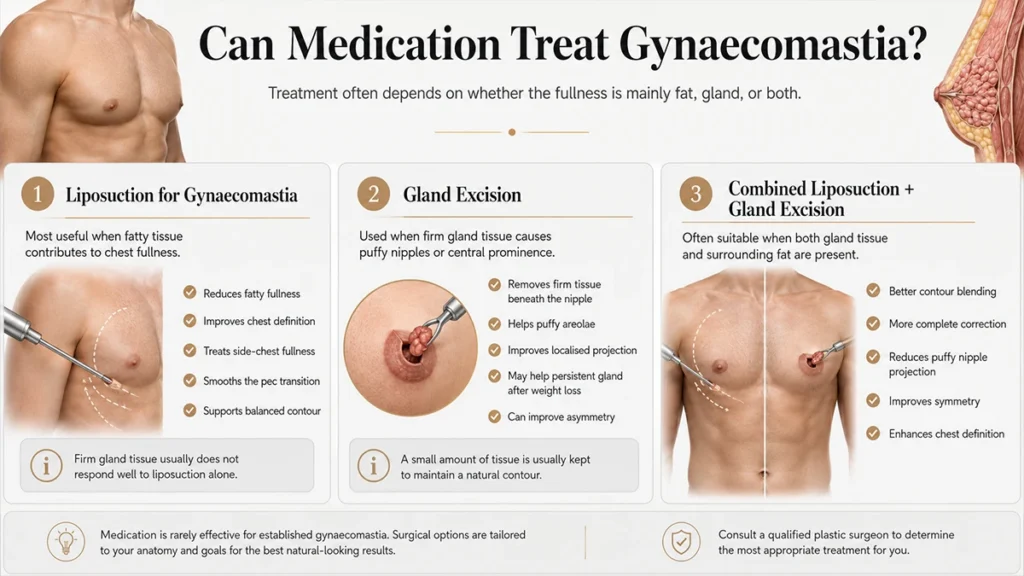
Can Medication Treat Gynaecomastia?
Medication may occasionally be considered in selected early or painful cases under appropriate medical supervision. It is generally less effective when glandular tissue has been present for a long time.
Medication should not be viewed as a routine cosmetic treatment. Any decision to use it requires medical assessment of the cause, timing, risks, and likely benefit.
✓ When Can Liposuction Help a Slim Man With Gynaecomastia?
Liposuction is most useful when fatty tissue contributes significantly to chest enlargement. It removes fat through small incisions and helps blend the treated area into the surrounding chest.
Liposuction may help to:
- Reduce diffuse fatty fullness
- Improve chest definition
- Treat tissue towards the sides of the chest
- Smooth the transition around the pectoral muscle
- Support a more balanced contour
Dense glandular tissue does not usually respond adequately to liposuction alone. If the main problem is a firm disc beneath the nipple, direct gland excision is often required.
✓ When Might a Slim Man Need Gland Excision?
Gland excision involves removing firm breast tissue through an incision usually placed around part of the areola. This approach is commonly used when glandular tissue causes puffy nipples or a localised central prominence.
Gland excision can address:
- Firm tissue beneath the nipple
- Puffy areolae
- Localised projection
- Persistent gland after weight loss
- Asymmetry caused by unequal gland volume
A careful amount of tissue is usually retained beneath the nipple to support a natural contour. Removing too much tissue can create a visible depression or an unnatural appearance.
✓ Why Might a Lean Chest Need Both Gland Excision and Limited Liposuction?
Many slim men have a mixture of dense glandular tissue and a smaller amount of surrounding fat. Combining liposuction with gland excision allows the surgeon to remove the central gland while refining the wider chest contour.
The combined approach may provide:
- Better contour blending
- More complete correction
- Reduced puffy nipple projection
- Improved symmetry
- Greater chest definition
The balance between the two techniques varies from patient to patient. Some men need only limited liposuction, while others require more extensive contouring around the gland.
Is Skin Removal Ever Needed?
Skin removal is less common in slim men with mild or moderate gynaecomastia because the skin often contracts after tissue removal. It may be required when there is substantial enlargement, poor skin elasticity, major weight loss, or a low nipple position.
Skin removal may be considered when there is:
- Significant excess skin
- Severe chest enlargement
- Poor skin recoil
- Low or stretched areolae
- Previous major weight loss
Additional skin removal creates longer and more visible scars. The likely improvement must therefore be balanced carefully against the scar pattern.
When Might Surgery Be Considered in a Slim Man?
Surgery may be suitable for men with persistent glandular or mixed chest enlargement who are in good general health and have realistic expectations. The condition should usually be stable, and any concerning medical cause should be investigated before treatment.
Good candidates commonly have:
- Persistent gynaecomastia
- Stable weight
- Good general health
- Realistic expectations
- Significant physical or emotional concern
- Willingness to follow recovery advice
Surgery should be considered only after a proper assessment of the chest, medical history, medications, supplements, and possible hormone-related causes. The aim is to confirm that surgery is appropriate and likely to address the identified concern to a degree that justifies the risks, scars and recovery involved.
Who May Be Advised to Wait?
Some patients may be advised to delay surgery until a medical issue or lifestyle factor has been addressed. Waiting can reduce risk and improve the durability of the result.
Reasons to delay may include:
- Ongoing puberty
- Active anabolic steroid use
- Unstable weight
- Untreated hormonal abnormality
- Poorly controlled medical conditions
- Smoking or nicotine use
Being advised to wait does not mean that the concern is unimportant. It means that the timing or conditions are not yet appropriate for safe and predictable surgery.
What Are the Risks of Gynaecomastia Surgery?
Gynaecomastia surgery is generally well tolerated, but it is still an operation and carries potential complications. The risks vary according to whether treatment involves liposuction, gland excision, skin removal, or a combination.
Possible risks include:
- Bleeding or haematoma
- Infection
- Seroma
- Asymmetry
- Contour irregularity
- Under-correction
- Over-correction
- Altered nipple sensation
- Unfavourable scarring
- Need for revision surgery
A detailed consultation should explain both common and uncommon risks. Patients should also understand that no surgeon can guarantee perfect symmetry or a completely scar-free result.
✓ What Is a Haematoma?
A haematoma is a collection of blood beneath the skin after surgery. It may cause sudden swelling, pain, firmness, or a visible difference between the two sides.
Small collections may settle or require monitoring, while larger haematomas may need urgent treatment. Patients should know which symptoms require immediate contact with the surgical team.
✓ Can the Chest Look Indented?
An indentation can occur if too much tissue is removed beneath the nipple or if the remaining tissues heal unevenly. Careful planning aims to reduce the projection while preserving enough support for a natural chest contour.
Contour irregularity may also result from:
- Uneven fat removal
- Scar tissue
- Pre-existing asymmetry
- Poor skin contraction
- Differences in chest muscle shape
Minor irregularities may improve as swelling settles. Persistent concerns should be assessed only after the tissues have had sufficient time to heal.
Can Gynaecomastia Return?
The removed glandular tissue does not usually regenerate in the same form, but recurrence is possible if the underlying hormonal stimulus continues. Future anabolic steroid use, substantial weight gain, or an untreated medical condition may alter the result.
Long-term stability is supported by:
- Avoiding anabolic steroids
- Maintaining a stable weight
- Managing hormonal conditions
- Following medical advice
- Attending follow-up appointments
The operation changes the existing tissue but does not protect against every future cause of chest enlargement.
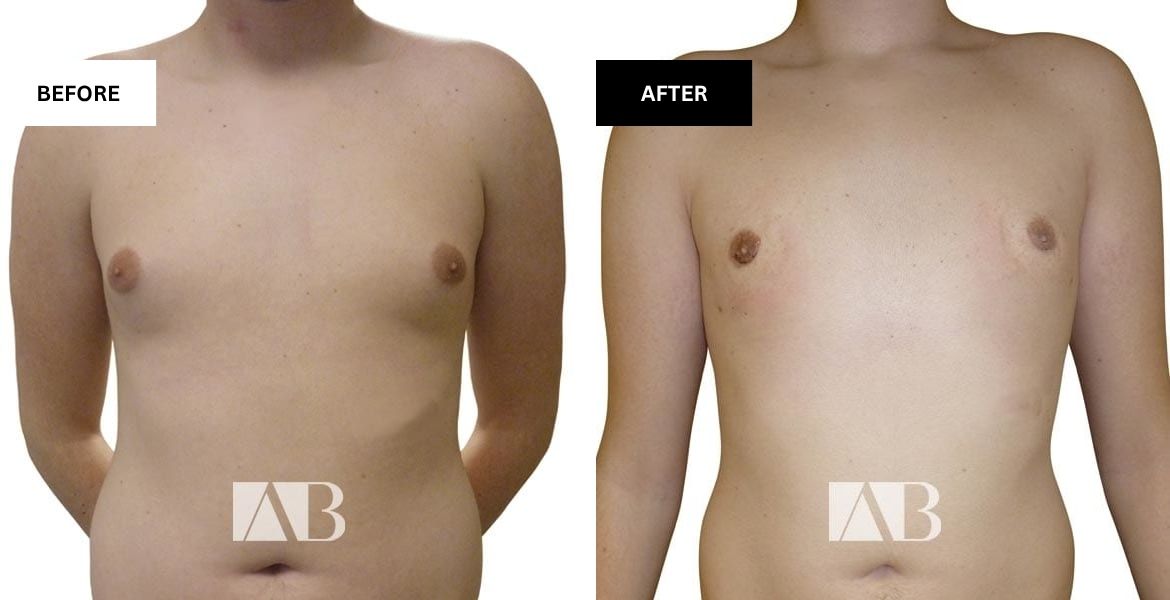
Gynaecomastia Before and After Surgery
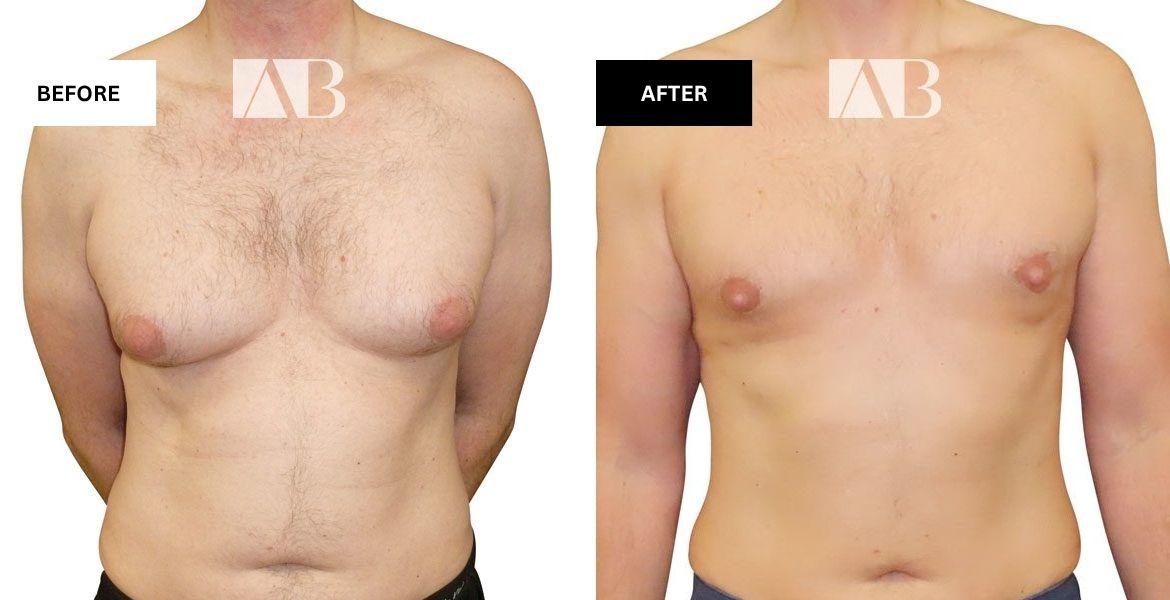
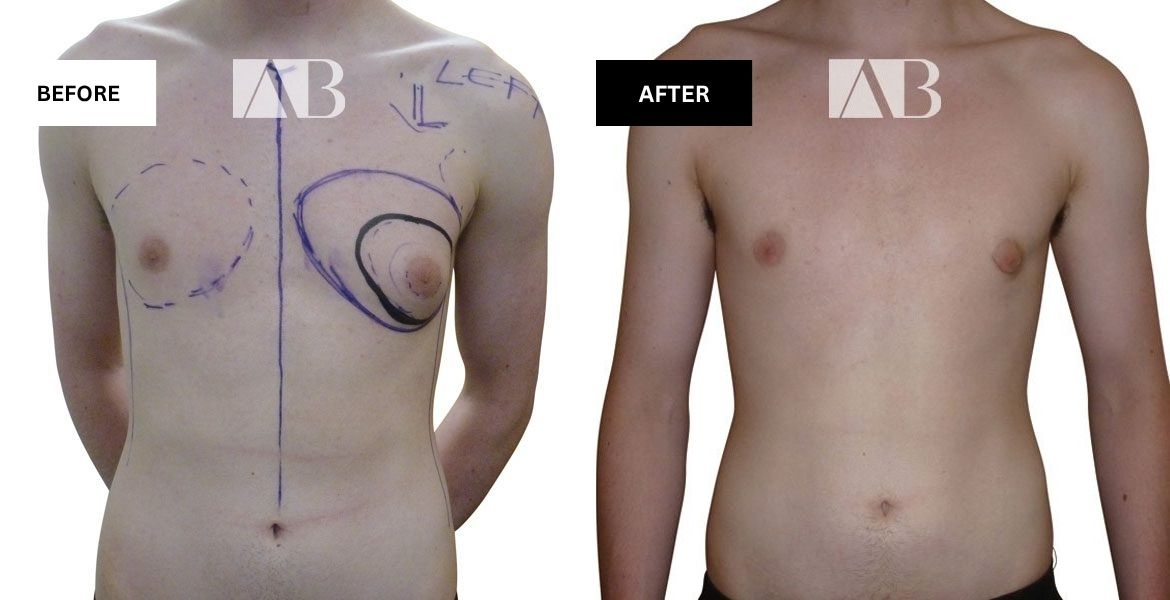
What Is Recovery Like After Gynaecomastia Surgery in Slim Men?
Gynaecomastia recovery varies according to the extent of tissue removal and the techniques used. Swelling, bruising, tightness, tenderness, and temporary numbness are common during the early stages.
Patients may be advised to:
- Wear a compression garment
- Walk gently from an early stage
- Avoid heavy lifting
- Limit chest exercise
- Attend follow-up appointments
Most men can manage normal light activities relatively soon, but physical work and gym training require a more cautious return. Recovery instructions should always be individualised.
✓ What Happens During the First Week?
The first week focuses on wound care, swelling control, comfort, and gentle mobilisation. The chest may feel firm or tight, and the final contour will not yet be visible.
Typical advice may include:
- Taking prescribed pain relief
- Wearing compression as instructed
- Sleeping in a comfortable elevated position
- Avoiding strenuous arm movement
- Monitoring for unexpected swelling
Patients should contact the surgical team if they develop rapidly increasing swelling, severe pain, bleeding, fever, or other concerning symptoms.
✓ When Can You Return to Work?
Return to work depends on the type of job and the extent of surgery. Desk-based work is usually easier to resume than manual work involving lifting or repetitive upper-body movement.
Factors include:
- Physical demands
- Driving requirements
- Pain and swelling
- Wound healing
- Need for compression
Patients should plan enough time away rather than assuming they will return at the earliest possible stage. Fatigue can continue even when the wounds appear to be healing well.
✓ When Can You Return to the Gym?
Walking usually begins early, but chest training and heavy lifting must be delayed until the tissues have healed sufficiently. Returning too soon can increase swelling, discomfort, bleeding, and strain on the wounds.
A gradual return may involve:
- Gentle walking first
- Light lower-body activity
- Progressive cardiovascular exercise
- Delayed chest and shoulder training
- Full exercise only after clearance
The exact timeframe varies according to the procedure and individual healing. Muscle development should not be prioritised over safe recovery.
When Will the Final Result Be Visible?
The chest often appears swollen, firm, or uneven during early healing. The contour gradually becomes more defined as swelling reduces and the tissues soften.
Patients can expect:
- Early improvement within weeks
- Fluctuating swelling
- Temporary firmness beneath the nipple
- Continued refinement over several months
- Longer scar maturation
The final result should not be judged too early. Scar tissue and residual swelling can temporarily affect both shape and symmetry.
What Are the Alternatives to Surgery?
Surgery is not the only option, and some men prefer observation or non-operative management. The best alternative depends on whether the enlargement is caused by glandular tissue, fat, medication, hormones, or another medical factor.
Alternatives include:
- Observation
- Medical investigation
- Medication review
- Treatment of an underlying condition
- Weight management
- Compression clothing
- Choosing no treatment
Compression garments can disguise chest prominence but do not remove the underlying tissue. Non-surgical fat-reduction treatments may affect small fat deposits but cannot reliably remove dense glandular tissue.
What Costs Should You Consider?
The cost of gynaecomastia surgery depends on the treatment required and should be confirmed after consultation. Liposuction alone, gland excision, combined surgery, and skin removal involve different levels of complexity.
A quotation may include:
- Surgeon’s fee
- Hospital and theatre charges
- Anaesthetist’s fee
- Compression garment
- Pathology where appropriate
- Routine follow-up
Patients should also consider time away from work, transport, medication, and practical support during recovery. Cost should be considered alongside surgeon qualifications, hospital standards, aftercare, and the quality of the consultation process.
Take our Plastic Surgery Quiz to find out if you’d be a good candidate for cosmetic surgery.
Summary
Slim men can develop gynaecomastia because the condition involves glandular breast tissue rather than body fat alone. Exercise and weight loss may improve surrounding fat, but they cannot reliably remove established glandular tissue beneath the nipple.
Treatment depends on the cause and tissue type, with liposuction used for fat and direct excision used for firm gland. Careful assessment is essential to achieve a natural chest contour while balancing scars, recovery, risks, and realistic expectations.

FAQs About Gynaecomastia For Slim Men
Why do I have a puffy nipple area even when I am lean?
This is often true gynaecomastia, meaning a firm gland under the areola rather than fat. Slim men notice even small amounts of gland more clearly because there is less surrounding fat to blend the contour. A structured exam is used to distinguish gland from fat.
Can I train it away with more chest exercises?
Training can improve your overall chest shape and posture, which can reduce the visual impact. However, established gland tissue usually does not disappear with exercise alone, which is why many lean men feel the shape is stubborn. This is a common reason men explore surgical options.
Can medication cause gynaecomastia even if I am slim?
Medication effects are a common surprise, especially drugs that influence androgen pathways or hormone balance. Reputable medical sources list several medications associated with gynaecomastia, and the best step is to discuss alternatives with your prescribing clinician.
When should I worry that it might be something serious?
Seek assessment if there is a hard lump, nipple discharge, skin changes, rapid one-sided growth, or significant persistent pain. Primary care guidance emphasises identifying patients with a higher risk of a pathological cause for prompt specialist referral.
Is liposuction enough for slim men?
Sometimes, but many slim men have firm gland tissue that does not respond well to liposuction alone. Surgical literature discusses combining liposuction with gland excision when gland tissue is present to avoid persistent puffiness.
Will it come back after surgery?
Recurrence is less likely when gland tissue is removed and underlying triggers are addressed, but new hormone shifts or medication changes can still influence the chest over time. This is why your consultation should include a discussion of any ongoing risk factors.
How Long before I can train normally again after surgery?
Most men return to everyday activity fairly quickly, but a full return to heavy training usually requires a gradual plan to protect healing and let swelling settle. Your exact timeline depends on the technique used and your healing response, so surgeon-specific guidance is essential.
Medical References
- Management of Gynecomastia in Patients With Different Body Types / Annals of Plastic Surgery – https://pmc.ncbi.nlm.nih.gov/articles/PMC5400408/
- Correction of Gynecomastia in Body Builders and Patients with Good Physique / Plastic and Reconstructive Surgery – https://journals.lww.com/plasreconsurg/abstract/2015/02000/correction_of_gynecomastia_in_body_builders_and.22.aspx
- Features of true gynecomastia in adult males / Probl Endokrinol (Mosk) – https://pmc.ncbi.nlm.nih.gov/articles/PMC11551797/
- Management of adolescent gynecomastia: an update / Acta Biomedica Scientifica – https://pmc.ncbi.nlm.nih.gov/articles/PMC6166145/
Next Step: Discuss Gynaecomastia Solutions With Miss Breahna
Gynaecomastia in slim men is common because it is often gland tissue driven by hormone balance, life stage changes, or medications, not simply body fat. The most important first step is confirming whether the issue is gland, fat, or both, and ruling out red flags when the presentation is new or unusual. The NHS provides a clear overview of causes and treatment options and notes that some cases resolve naturally while others may require treatment.
If you want a clear diagnosis and a tailored plan in Chester, UK, book a consultation with Miss Anca Breahna, Consultant Plastic & Reconstructive Surgeon. Her clinic’s online contact page and complimentary photo assessment feature can be conveniently accessed for enquiries and appointments. Miss Anca Breahna can assess the cause of your chest fullness, explain the non-surgical and surgical options that fit your anatomy, and guide you toward a plan that feels proportionate and realistic for your body and lifestyle.
Download Miss Anca Breahna’s Gynaecomastia Surgery Guide
Further Reading
- Read more about Male Nipple Reduction
- Read more about Male Procedures
- Read Miss Anca Breahna’s Blog on Types of Gyno – Glandular vs. Fatty Tissue Gynaecomastia
- Read Miss Anca Breahna’s Blog on How to Get Rid of Puffy Nipples in Men
- Read Miss Anca Breahna’s Blog on What Are Gynaecomastia Surgery Scars Like?