- Quick Answer: How Should You Prepare for Blepharoplasty?
- What Should You Do Before Blepharoplasty?
- What Happens at Your Blepharoplasty Consultation?
- What Should You Tell Your Surgeon Before Blepharoplasty?
- Why Is Eye Health Important Before Blepharoplasty?
- What Should You Know About Dry Eyes Before Upper Blepharoplasty?
- Do You Need Medical Tests Before Blepharoplasty?
- Which Medicines Need Reviewing Before Blepharoplasty?
- Which Supplements Should You Disclose?
- Should You Disclose GLP-1 and Weight-Loss Medicines?
- Should You Stop Smoking Before Blepharoplasty?
- Should You Avoid Alcohol Before Blepharoplasty?
- What Should You Eat and Drink Before Blepharoplasty?
- Why Are Fasting Instructions Important?
- How Should You Prepare Your Home Before Blepharoplasty?
- What Support Should You Arrange After Blepharoplasty?
- How Much Time Should You Plan Away From Work?
- What Should You Pack for Blepharoplasty?
- What Should You Avoid Wearing on the Day of Surgery?
- One Week Before Blepharoplasty
- The Day Before Blepharoplasty
- The Morning of Blepharoplasty
- What Happens When You Arrive for Surgery?
- Preparing Your Home and Schedule
- ✓ How Should You Prepare Your Home Before Blepharoplasty?
- ✓ What Practical Help Should You Arrange?
- ✓ Who Should Take You Home After Blepharoplasty?
- Planning Work and Everyday Commitments
- ✓ How Much Time Should You Take Off Work?
- ✓ Should You Rearrange Social Events Before Surgery?
- What to Pack and Wear
- ✓ What Should You Pack for Blepharoplasty?
- ✓ What Should You Avoid Wearing on the Day of Surgery?
- Your Pre-Surgery Timeline
- ✓ One Week Before Blepharoplasty
- ✓ The Day Before Blepharoplasty
- ✓ The Morning of Blepharoplasty
- Blepharoplasty Surgery Before and After Photos
- Preparing Specifically for Upper Blepharoplasty
- ✓ Why Does Upper Blepharoplasty Need Individual Planning?
- ✓ How Is Upper Eyelid Heaviness Assessed?
- What Happens When You Arrive for Surgery?
- ✓ What Should You Expect During Admission?
- ✓ Why Are Surgical Markings Important?
- What This Preparation Guide Does Not Replace
- ✓ Where Can You Learn About Blepharoplasty Recovery?
- ✓ What Should You Know About Risks Before Surgery?
- When Will You Receive Your Surgical Quote?
- ✓ What Should Your Upper Blepharoplasty Quote Include?
- ✓ Why Choose Miss Anca Breahna for Upper Blepharoplasty?
- ✓ Eyelid Surgery Preparation Summary
- FAQs About Preparing For Blepharoplasty Surgery
- Download Miss Anca Breahna's Eyelid Surgery Guide
- Next Steps: Discuss Preparing for Blepharoplasty With Miss Breahna
- Further Reading
Miss Anca Breahna, PhD, MSc, FEBOPRAS, FRCS (Plast), Consultant Plastic, Reconstructive and Aesthetic Surgeon in Chester, explains that preparing properly for blepharoplasty means reviewing your general health, eye health, medicines, lifestyle and practical arrangements before surgery. In Miss Breahna’s practice, blepharoplasty treatment is focused specifically on upper eyelid surgery, where careful preparation helps support safe treatment and a well-organised recovery.
Preparing for blepharoplasty involves much more than simply arriving at the clinic on the day of your operation. Your medical history, dry-eye symptoms, previous eye procedures, medication, smoking or nicotine use, work commitments, transport and home support can all influence how surgery is planned.
This guide discusses the general principles of preparing for blepharoplasty while highlighting the considerations particularly relevant to upper blepharoplasty. It focuses on what patients should do before surgery rather than duplicating separate guides about postoperative recovery, scars, exercise or complications.
Quick Answer: How Should You Prepare for Blepharoplasty?
Preparing for blepharoplasty usually involves completing any requested health checks, reviewing medicines and supplements, discussing your eye history, following smoking and alcohol guidance, and arranging transport and support at home. For upper blepharoplasty, your surgeon will also assess the relationship between the upper eyelids, brows, eye closure and any symptoms such as dryness or visual heaviness.
- Provide a complete list of medicines and supplements.
- Tell your surgeon about dry eyes, glaucoma and previous eye procedures.
- Follow personalised instructions about smoking and nicotine.
- Arrange transport and practical help after surgery.
- Prepare your home and plan appropriate time away from work.
The exact preparation process varies according to your health and the type of anaesthetic being used. Instructions from Miss Breahna and the anaesthetic team should always take priority over general online advice.
What Should You Do Before Blepharoplasty?
Preparing for blepharoplasty starts with making sure your general health, eye health and medication history have been reviewed thoroughly. Practical planning is equally important because swelling, bruising and temporary eye irritation can make normal routines less convenient immediately afterwards.
- Complete any requested medical or anaesthetic assessments.
- Provide details of prescribed medicines and supplements.
- Discuss previous eye conditions and procedures.
- Follow instructions about nicotine, alcohol and fasting.
- Arrange transport, work leave and home support.
Leaving these arrangements until the final day can create unnecessary stress or even lead to surgery being delayed. Good preparation means potential issues are identified early enough to manage them safely.

What Happens at Your Blepharoplasty Consultation?
The consultation is the foundation of the preparation process because it allows your surgeon to determine whether eyelid surgery is appropriate and what needs to be addressed. In Miss Breahna’s practice, this assessment is specifically directed towards upper blepharoplasty.
The consultation may include:
- Review of your medical and eye history
- Examination of the upper eyelid skin
- Assessment of eyebrow position
- Evaluation for true eyelid ptosis
- Discussion of scars, risks and expected outcomes
The consultation should clarify whether your concern is actually caused by excess upper eyelid skin. Brow descent, eyelid ptosis or an eye-health problem can create a similar appearance and may require a different treatment pathway.
What Should You Tell Your Surgeon Before Blepharoplasty?
Accurate information about your health is essential before any eyelid operation because even apparently unrelated conditions can influence surgery, anaesthesia or healing. Patients should disclose all medicines, supplements, eye symptoms and previous procedures rather than only mentioning conditions they think are relevant.
Important information includes:
- Prescription and over-the-counter medicines
- Herbal and nutritional supplements
- Allergies and previous anaesthetic reactions
- Smoking, vaping and nicotine use
- Previous facial, eyelid or eye surgery
You should also report any recent change in vision, persistent eye irritation or unexplained eye pain. If something has changed since your consultation, tell the clinical team before the day of surgery.
Why Is Eye Health Important Before Blepharoplasty?
Blepharoplasty is performed immediately around the eyes, so existing eye conditions can affect both suitability and surgical planning. Conditions that interfere with tear production, eye pressure or comfortable eyelid closure deserve particular attention before upper eyelid surgery.
Tell your surgeon if you have:
- Dry or gritty eyes
- Glaucoma or raised eye pressure
- Previous cataract surgery
- Previous laser vision correction
- Difficulty wearing contact lenses
These conditions do not necessarily prevent blepharoplasty. They may, however, change the amount of tissue that can safely be removed or lead to further ophthalmic assessment before surgery.
What Should You Know About Dry Eyes Before Upper Blepharoplasty?
Dry-eye symptoms are especially relevant to upper blepharoplasty because the upper eyelid plays an important role in blinking and spreading the tear film across the eye. Existing dryness should therefore be identified before surgery rather than discovered during postoperative recovery.
Dry-eye symptoms can include:
- Burning or grittiness
- Eye fatigue
- Redness
- Excessive watering
- Contact lens intolerance
Some patients with dry eyes can still undergo upper blepharoplasty safely, but the surgical plan may need to be more conservative. Where symptoms are significant, Miss Breahna may recommend further assessment or treatment before proceeding.
Do You Need Medical Tests Before Blepharoplasty?
Not every patient needs the same preoperative investigations because testing depends on age, general health and the planned anaesthetic. Some patients may only need routine assessment, while others may require blood tests, blood-pressure review or specialist input.
Possible assessments include:
- Blood pressure measurement
- Blood tests where indicated
- Review of diabetes control
- Anaesthetic assessment
- Additional medical or ophthalmic advice
Testing should be proportionate to the individual rather than performed automatically. If your health changes before surgery, your clinical team may decide that additional assessment is appropriate.
Which Medicines Need Reviewing Before Blepharoplasty?
Some medicines can influence bleeding, blood pressure, blood sugar or anaesthetic safety and therefore need to be reviewed in advance. The fact that a medicine can affect surgery does not mean you should stop it without professional guidance.
Medicines that may require review include:
- Anticoagulants
- Antiplatelet medicines
- Aspirin
- Some anti-inflammatory medicines
- Diabetes and blood-pressure medicines
Never independently stop prescribed medication because you are worried about bruising. Your surgical, anaesthetic or prescribing team should explain which medicines to continue and which, if any, need temporary adjustment.
Which Supplements Should You Disclose?
Supplements can also affect bleeding or interact with medicines and anaesthetic drugs. Patients should therefore provide the same level of detail about supplements as they do about prescribed medication.
Examples include:
- Fish oil
- Vitamin E
- Ginkgo
- Garlic extracts
- Herbal or bodybuilding preparations
Do not assume that a supplement is irrelevant because it is sold without prescription. Miss Breahna’s team can advise whether any product needs to be paused before surgery.
Should You Disclose GLP-1 and Weight-Loss Medicines?
Yes, weight-loss medicines should always be disclosed before blepharoplasty because some can alter stomach emptying, blood sugar and nausea risk. This is particularly relevant when sedation or general anaesthesia is being considered.
Be ready to provide:
- The exact medicine name
- Current dose
- Whether it is oral or injectable
- Date of your most recent dose
- Any nausea, vomiting or recent dose changes
Do not follow a friend’s or another patient’s medication instructions. The appropriate perioperative advice depends on the specific medicine, your symptoms and your anaesthetic plan.
Should You Stop Smoking Before Blepharoplasty?
Smoking and nicotine can reduce blood flow to healing tissues and make wound healing less predictable. Your surgeon may therefore ask you to stop nicotine for a defined period before and after upper blepharoplasty.
Nicotine exposure includes:
- Cigarettes
- Vaping
- Nicotine pouches
- Nicotine gum
- Nicotine patches
Vaping and replacement products should still be disclosed because nicotine itself can affect circulation. Follow the cessation guidance provided specifically for your operation rather than setting your own timeframe.
Should You Avoid Alcohol Before Blepharoplasty?
Heavy alcohol intake can contribute to dehydration and interfere with sleep, medication and anaesthetic planning. Moderating alcohol in the period before surgery is therefore a sensible part of preparation.
Patients should:
- Avoid binge drinking
- Stay adequately hydrated
- Follow specific preoperative restrictions
- Disclose heavy or regular alcohol use
- Avoid combining alcohol with interacting medicines
The appropriate advice varies between patients and anaesthetic plans. If your alcohol intake is significant, tell the medical team openly so they can plan safely.
What Should You Eat and Drink Before Blepharoplasty?
In the weeks before surgery, the goal is to maintain stable nutrition rather than attempt rapid weight loss or restrictive dieting. Adequate calories, protein and fluids help support normal wound healing and general recovery.
Helpful preparation includes:
- Eating regular protein-containing meals
- Including fruit and vegetables
- Maintaining normal hydration
- Avoiding crash diets
- Avoiding unnecessary new supplements
This general advice applies before formal fasting begins. Once you receive fasting instructions from the anaesthetic team, those instructions take priority.
Why Are Fasting Instructions Important?
Fasting reduces the risk of complications associated with sedation or general anaesthesia and should be followed exactly. The required timing can vary depending on the anaesthetic plan and hospital protocol.
Before surgery:
- Confirm when you must stop eating.
- Check whether and when clear fluids are allowed.
- Ask how to take essential morning medicines.
- Do not guess if instructions seem unclear.
- Tell the team if you accidentally break the fasting period.
Generic fasting rules found online should not replace the instructions from your own surgical facility. If you are uncertain, contact the team before travelling to hospital.
How Should You Prepare Your Home Before Blepharoplasty?
Preparing a simple recovery space before surgery can make the first days easier, particularly when swelling or eye ointment temporarily affects comfort and vision. You do not need extensive specialist equipment, but essential items should be easy to reach.
Useful preparations include:
- Extra pillows
- Clean cold compresses if advised
- Prescribed drops or ointment
- Simple meals and drinks
- Phone, charger and clinic numbers nearby
Comfortable lighting is also useful because some patients find their eyes more sensitive immediately after surgery. Preparing these items beforehand means you can concentrate on rest once you return home.
What Support Should You Arrange After Blepharoplasty?
Transport and practical support should be organised before the operation rather than left until discharge. Depending on the anaesthetic used, you may need a responsible adult to collect you and remain available during the early recovery period.
Consider arranging:
- Transport from the hospital or clinic
- Help during the first evening
- Childcare
- Pet care
- Assistance with shopping or meals
The exact amount of help required varies between patients. Miss Breahna’s team will explain what support is appropriate for your surgical and anaesthetic plan.
How Much Time Should You Plan Away From Work?
Planning time off before blepharoplasty allows you to recover without pressure to return before you feel comfortable. The amount of leave you need depends on your occupation and how important visible bruising or swelling is within your working environment.
Consider:
- Desk-based versus physical work
- Screen use
- Video calls
- Public-facing duties
- Commuting requirements
This preparation guide does not attempt to replace the dedicated recovery timeline. Build some flexibility into your leave and use your postoperative progress to determine the exact return date.
What Should You Pack for Blepharoplasty?
A small practical bag is usually sufficient for eyelid surgery. Follow any additional admission instructions provided by the hospital or clinic.
Bring items such as:
- Photo identification
- Admission paperwork
- An updated medication list
- Prescription glasses
- Comfortable front-opening clothing
Leave unnecessary jewellery and valuables at home. Contact lenses and eye makeup should generally be avoided on the day unless you have been specifically instructed otherwise.
What Should You Avoid Wearing on the Day of Surgery?
The eyelid area needs to be clean and accessible so the surgeon can assess and mark it accurately. Clothing should also be comfortable and easy to remove without pulling unnecessarily around the face.
Usually avoid:
- Eye makeup
- False eyelashes
- Contact lenses
- Jewellery
- Heavy creams around the eyelids if instructed
A top that opens at the front can be particularly convenient. Follow any additional skincare or cleansing instructions given by the clinic.
One Week Before Blepharoplasty
The week before surgery is the right time to confirm that medical, work and practical arrangements are complete. Use this period to resolve questions rather than saving them for admission.
- Confirm transport and support
- Check all medication instructions
- Organise your recovery supplies
- Finalise your work arrangements
- Tell the clinic about any change in health
If you develop an eye infection, fever, significant cold or other new illness, contact the team. It is safer to review the situation in advance than to conceal symptoms because you do not want surgery postponed.
The Day Before Blepharoplasty
The day before surgery should focus on organisation and following the instructions already provided. Avoid making new health or medication decisions at the last minute.
- Confirm your admission time
- Review fasting guidance
- Prepare comfortable clothing
- Gather your paperwork and medication list
- Confirm who is taking you home
Remove eye makeup and follow any cleansing advice given by the clinic. If anything is unclear, contact the team rather than making assumptions.
The Morning of Blepharoplasty
On the morning of surgery, keep the eyelid area clean and follow fasting and medication instructions exactly. Your role is simply to arrive prepared and to tell the clinical team if anything has changed.
- Follow fasting instructions
- Take only approved medication
- Do not wear eye makeup
- Avoid contact lenses
- Wear comfortable clothing
Bring your requested paperwork and medication information. Mention any new eye irritation, illness or medication change when you arrive.
What Happens When You Arrive for Surgery?
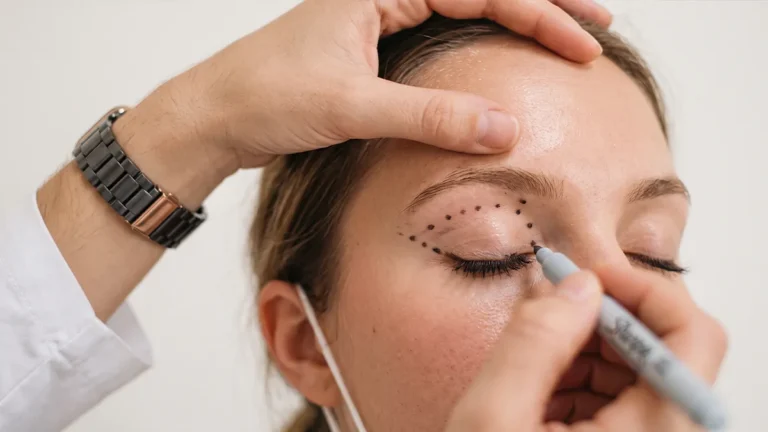
Final checks are completed when you arrive to confirm your identity, medical status and planned procedure. For Miss Breahna’s patients, this includes reconfirming the plan for upper blepharoplasty and completing the necessary upper eyelid markings.
The admission process may include:
- Identity and procedure confirmation
- Review of consent
- Medication and fasting checks
- Upper eyelid markings
- Anaesthetic or nursing review
This preparation article intentionally does not provide a detailed description of the operation itself. Patients wanting information about the surgical technique, suitability and expected results should refer to the dedicated upper blepharoplasty procedure guide.
Preparing Your Home and Schedule
✓ How Should You Prepare Your Home Before Blepharoplasty?
Preparing your home in advance can make the first few days after blepharoplasty more comfortable and less stressful. Because swelling, ointment, and temporary visual sensitivity can make everyday tasks inconvenient, it helps to organise essential items before surgery.
Useful preparations include:
- Extra pillows for comfortable head elevation
- Clean cold compresses if advised
- Prescribed eye drops or ointment
- Easy-to-prepare meals and drinks
- Phone, charger, and clinic contact details within reach
You do not need an elaborate recovery setup. A simple, tidy space with comfortable lighting and everything you need nearby is usually sufficient.
✓ What Practical Help Should You Arrange?
Patients should organise practical support before surgery, particularly if they have young children, pets, or household responsibilities. Even a relatively focused procedure such as upper blepharoplasty can make routine tasks less convenient during the first day or two.
You may want to arrange:
- Help with children
- Pet care or dog walking
- Grocery shopping
- Meal preparation
- Assistance with household chores
The amount of help required will depend on your personal circumstances and the anaesthetic used. Planning support in advance allows you to concentrate on following your postoperative instructions rather than managing avoidable responsibilities.
✓ Who Should Take You Home After Blepharoplasty?
You should organise transport home before your operation, especially if sedation or general anaesthesia will be used. Even after a relatively straightforward upper blepharoplasty, swelling, ointment, or temporary visual discomfort can make driving inappropriate.
Before surgery:
- Confirm who will collect you.
- Give them the clinic or hospital details.
- Make sure they are contactable during your procedure.
- Ask whether someone should stay with you afterwards.
- Avoid relying on last-minute transport arrangements.
Your surgical team will explain the exact discharge requirements for your procedure. These instructions should be followed even if you feel relatively well soon after surgery.
Planning Work and Everyday Commitments
✓ How Much Time Should You Take Off Work?
The amount of time to plan away from work depends on your occupation, how visible bruising or swelling is likely to affect you, and whether your role involves physical exertion. It is usually sensible to allow some flexibility rather than committing to a rigid return date before surgery.
Consider:
- Whether you work from home or commute
- How much screen time your job involves
- Whether you attend frequent video calls
- Whether your role is public-facing
- Whether you perform lifting or physical work
Some patients are comfortable returning to quiet desk work before they feel ready for face-to-face meetings. This guide focuses on planning leave in advance; the exact return-to-work timing should be based on your postoperative progress.
✓ Should You Rearrange Social Events Before Surgery?
It is often sensible to avoid scheduling important social or professional events immediately after blepharoplasty. Bruising and swelling are normal in the early healing phase and can be difficult to conceal straight away.
You may want to postpone:
- Weddings or formal events
- Important photographs
- Public presentations
- Long-distance travel
- Events requiring prolonged makeup wear
This does not mean you will necessarily need a long period of social isolation. It simply reduces pressure to look fully recovered before the normal healing process has had time to progress.
What to Pack and Wear
✓ What Should You Pack for Blepharoplasty?
A small, practical bag is usually enough for blepharoplasty. The hospital or clinic may provide its own admission checklist, which should take priority over generic packing advice.
Useful items include:
- Photo identification
- Admission paperwork
- An up-to-date medication list
- Prescription glasses
- Comfortable, front-opening clothing
You should also have the telephone number of the person collecting you. Avoid bringing valuables, unnecessary jewellery, or anything that complicates admission and discharge.
✓ What Should You Avoid Wearing on the Day of Surgery?
The eye area should be clean and accessible on the day of blepharoplasty so the surgeon can examine, mark, and prepare the upper eyelids accurately. Clothing should also be comfortable and easy to remove without pulling tightly over the face.
Usually avoid:
- Eye makeup
- False eyelashes
- Contact lenses
- Jewellery
- Heavy skincare around the eyelids if instructed
A top or cardigan that opens at the front can be particularly convenient. Follow any specific cleansing or skincare instructions provided by Miss Breahna’s team.
Your Pre-Surgery Timeline
✓ One Week Before Blepharoplasty
The week before surgery is the ideal time to confirm that all your practical and medical arrangements are complete. Any unanswered questions about medicines, transport, work leave, or eye symptoms should be resolved before the final day.
Use this week to:
- Confirm transport and home support
- Check your medication instructions
- Organise recovery supplies
- Finalise your work arrangements
- Report any new illness or eye symptoms
If you develop an eye infection, significant cold, fever, or another new health concern, contact the clinic. It is safer to review the situation early than arrive for surgery without informing the team.
✓ The Day Before Blepharoplasty
The day before surgery should focus on organisation and following the instructions you have already been given. Avoid introducing new medicines, supplements, skincare products, or dietary changes unless the clinical team has advised them.
Before bed:
- Confirm your admission time
- Re-read fasting instructions
- Prepare your medication list
- Lay out comfortable clothing
- Confirm who will collect you
Remove eye makeup and follow any cleansing instructions provided by the clinic. If anything about your fasting or medication plan is unclear, ask rather than making an assumption.

✓ The Morning of Blepharoplasty
On the morning of surgery, follow your personalised instructions precisely and keep the eyelid area clean. Your main task is to arrive prepared, on time, and ready to tell the team if anything has changed with your health.
Before leaving home:
- Follow fasting guidance exactly
- Take only medicines you have been told to take
- Do not wear eye makeup
- Avoid contact lenses
- Wear comfortable clothing
Bring your required documents and updated medication information. If you have developed new eye irritation, illness, or another symptom, tell the team immediately when you arrive.
Blepharoplasty Surgery Before and After Photos


Preparing Specifically for Upper Blepharoplasty
✓ Why Does Upper Blepharoplasty Need Individual Planning?
Upper blepharoplasty is not simply a matter of removing as much eyelid skin as possible. The surgeon must preserve enough tissue for comfortable eye closure while considering brow position, the eyelid crease, asymmetry, and the overall relationship between the eye and upper face.
Planning takes account of:
- The amount of genuine upper-eyelid skin excess
- Brow position
- Existing eyelid asymmetry
- Eyelid closure
- Dry-eye symptoms
A conservative and anatomy-led approach helps maintain natural expression and function. This is why a consultation and physical examination are more informative than choosing surgery based only on photographs.
✓ How Is Upper Eyelid Heaviness Assessed?
What appears to be excess upper eyelid skin can sometimes result partly from brow descent or true eyelid ptosis. Identifying the actual cause prevents an upper blepharoplasty from being used to treat a problem that originates elsewhere.
Miss Breahna may assess:
- The natural upper-eyelid crease
- Skin redundancy
- Brow height
- Eyelid margin position
- Symmetry between the two sides
This assessment determines whether upper blepharoplasty is likely to address your concern effectively. If another condition is contributing significantly, further specialist assessment may be recommended.
What Happens When You Arrive for Surgery?
✓ What Should You Expect During Admission?
When you arrive for surgery, the team will repeat a series of safety checks before the procedure begins. These checks ensure that your health, medication, fasting status, and agreed upper eyelid treatment remain appropriate.
The admission process may include:
- Identity confirmation
- Procedure confirmation
- Review of consent
- Medication and fasting checks
- Upper eyelid markings
You should use this opportunity to mention any new symptoms or medication changes. Nothing is too minor to disclose if it could potentially affect your operation or anaesthetic.
✓ Why Are Surgical Markings Important?
Eyelid markings help define the amount and position of skin planned for removal before anaesthesia or swelling changes the appearance of the tissues. They are made while considering natural eyelid creases, asymmetry, brow position, and safe preservation of eyelid closure.
Markings help guide:
- Scar placement
- Skin-removal boundaries
- Comparison between the two sides
- Preservation of sufficient eyelid skin
- Overall upper eyelid balance
This is one reason blepharoplasty planning cannot be based on a standard template. Even small differences in anatomy can alter how the operation should be designed.
What This Preparation Guide Does Not Replace
✓ Where Can You Learn About Blepharoplasty Recovery?
Recovery has its own considerations, including bruising, swelling, incision care, work, driving, and gradual return to activity.
For detailed postoperative information, patients should refer to dedicated guidance covering:
- Upper blepharoplasty recovery day by day
- Swelling and bruising after blepharoplasty
- Exercise after blepharoplasty
- Blepharoplasty scars
- Recognising potential complications
Keeping these topics separate makes the advice easier to follow and avoids mixing preparation instructions with postoperative management. Miss Breahna will also provide personalised aftercare guidance based on the exact surgery performed.
✓ What Should You Know About Risks Before Surgery?
Understanding potential risks is part of informed preparation. Miss Breahna will discuss the risks relevant to your upper blepharoplasty before you consent to surgery.
These may include:
- Bleeding
- Infection
- Bruising and swelling
- Dry-eye symptoms
- Asymmetry
Less common but important eyelid-specific complications are also discussed during consent. Understanding risks before surgery helps patients make a genuinely informed decision rather than learning about them only during recovery.
When Will You Receive Your Surgical Quote?
✓ What Should Your Upper Blepharoplasty Quote Include?
A personalised surgical quotation is usually provided after consultation once the planned procedure and anaesthetic requirements are clear. It should explain what is included rather than relying on an isolated headline fee.
The quotation may account for:
- Surgeon’s fee
- Anaesthetic charges where applicable
- Hospital or theatre costs
- Routine postoperative care
- Follow-up appointments
Patients should ask whether medication, dressings, or revision policies are included. Cost should be considered alongside surgeon qualifications, facility standards, and the quality of follow-up care.
✓ Why Choose Miss Anca Breahna for Upper Blepharoplasty?
Choosing a surgeon for upper blepharoplasty requires confidence in both technical planning and the preservation of normal eyelid function. Miss Anca Breahna, PhD, MSc, FEBOPRAS, FRCS (Plast), Consultant Plastic, Reconstructive and Aesthetic Surgeon in Chester, provides personalised upper eyelid assessment with an emphasis on conservative surgery, natural proportions, and patient safety.
Her approach includes:
- Consultant-level plastic and reconstructive surgical expertise
- Detailed assessment of upper eyelid and brow anatomy
- Careful distinction between excess skin and true ptosis
- Individualised pre-operative planning
- Structured postoperative follow-up
Miss Breahna performs upper blepharoplasty rather than lower eyelid surgery, allowing this part of her facial aesthetic practice to remain clearly focused. Consultation is designed to establish whether upper blepharoplasty is genuinely appropriate before any operation is recommended.
✓ Eyelid Surgery Preparation Summary
Preparing for blepharoplasty involves coordinating your health, eye history, medication, lifestyle, work commitments, transport, and home environment before the day of surgery. For Miss Breahna’s patients, preparation is specifically tailored to upper blepharoplasty, including careful consideration of brow position, eyelid closure, dry-eye symptoms, and the true cause of upper eyelid heaviness.
The most important preparation steps are:
- Disclose your full medical and eye history.
- Review medicines and supplements in advance.
- Follow nicotine, alcohol, and fasting guidance.
- Arrange transport and practical support.
- Prepare your home and work schedule before surgery.
A well-prepared patient should understand both what to do and why those steps matter. Personalised instructions from the surgical and anaesthetic teams remain more important than generic online advice.
FAQs About Preparing For Blepharoplasty Surgery

Do I need a medical assessment before surgery?
Yes. A formal medical review ensures your body is fit for anaesthesia and healing, and identifies any issues that may need attention before surgery.
Should I stop smoking before blepharoplasty?
Smoking and nicotine can affect blood flow and wound healing. Miss Breahna may ask you to stop nicotine for a defined period before and after surgery, depending on your individual circumstances. Follow the specific instructions given for your operation.
Can I wear eye makeup before surgery?
No. You should avoid eye makeup on the day of surgery to reduce the risk of irritation or infection. Your surgeon will provide specific timing.
Will I need someone to stay with me after surgery?
Depending on the anaesthetic used and your individual circumstances, you may need a responsible adult to collect you and remain available during the early recovery period. Your surgical team will explain the specific discharge requirements for your procedure.
Can I take vitamins before surgery?
Certain vitamins or supplements may increase bleeding risk, so always discuss with your surgeon before taking anything new.
How soon should I stop drinking alcohol before surgery?
Alcohol advice varies according to the patient and anaesthetic plan. Avoid binge drinking, stay adequately hydrated and follow the specific pre-operative instructions provided by your surgical and anaesthetic teams.
When can I shower after blepharoplasty?
Your surgeon will advise on timing, but generally, gentle washing of the face without rubbing is permitted once cleared.
Will bruising be significant after blepharoplasty?
Bruising is common, especially in lower lid surgery, but it typically subsides within several days to a couple of weeks.
Can I resume exercise soon after surgery?
Strenuous exercise is usually postponed for several weeks. Your surgeon will advise on timing based on your healing progress.
Is emotional preparation important?
Yes. Understanding your goals and expectations and having a support network helps you approach surgery with confidence and realistic expectations.
Medical References
- Blepharoplasty: Anatomy, Planning, Techniques, and Safety / Aesthetic Surgery Journal / https://academic.oup.com/asj/article-abstract/39/1/10/4883186?redirectedFrom=fulltext&login=false
- Functional and Aesthetic Outcomes After Upper Blepharoplasty: A Systematic Review and Meta-analysis of Randomized Control Trials / Aesthetic Surgery Journal / https://academic.oup.com/asj/article/45/6/554/8098106?login=false
- Surgical Decision Making in Incisional Blepharoplasty in Asians / Aesthetic Plastic Surgery / https://link.springer.com/article/10.1007/s00266-025-05427-1
- A Dual Approach to Understanding Facial Perception Before and After Blepharoplasty / JAMA Facial Plastic Surgery / https://pmc.ncbi.nlm.nih.gov/articles/PMC5833663/
Download Miss Anca Breahna’s Eyelid Surgery Guide
Next Steps: Discuss Preparing for Blepharoplasty With Miss Breahna
If you are considering blepharoplasty and your concern involves excess or heavy upper eyelid skin, a consultation can help determine whether upper blepharoplasty is appropriate and how you should prepare. Miss Anca Breahna, PhD, MSc, FEBOPRAS, FRCS (Plast), Consultant Plastic, Reconstructive and Aesthetic Surgeon in Chester, provides personalised upper eyelid assessment and pre-operative planning.
During consultation, you can discuss:
- Upper eyelid hooding
- Brow and eyelid anatomy
- Dry-eye or previous eye concerns
- Medicines and pre-operative preparation
- The proposed upper blepharoplasty plan
Telephone: 07538 012918
Email: contact@ancabreahna.com
Website: https://ancabreahna.com/
Location: Chester, UK
Miss Breahna performs upper blepharoplasty only and does not perform lower blepharoplasty. Your preparation instructions will be tailored to your health, eye history, anatomy, and anaesthetic plan.
Further Reading
- Read more about Your Patient Journey
- Read more about Preparing for Your Surgery – Patient Instructions
- Read Miss Anca Breahna’s Blog on Upper Blepharoplasty Recovery Day by Day
- Read Miss Anca Breahna’s Blog on Blepharoplasty for Seniors
- Read more about Blepharoplasty Recovery: Complete Guide to Healing Safely and Comfortably
- Read Miss Anca Breahna’s Blog on Solutions for Hooded Eyelids