- What Should a Good Cosmetic Surgery Consultation Feel Like?
- Why Is the Cosmetic Surgery Consultation So Important?
- What Happens During a Cosmetic Surgery Consultation?
- ✓ Discussion of Your Concerns
- ✓ Review of Your Medical and Surgical History
- ✓ Assessment of Your Goals and Expectations
- Will the Surgeon Examine You?
- ✓ What Should Happen During the Examination?
- How Should the Surgeon Explain Your Options?
- ✓ How Should the Proposed Procedure Be Explained?
- ✓ How Should Results Be Discussed?
- What Questions Should You Ask at the Consultation?
- ✓ Questions About the Surgeon and Procedure
- ✓ Questions About Aftercare and Further Treatment
- What Should Make You Pause After a Cosmetic Surgery Consultation?
- ✓ Pressure to Book or Pay
- ✓ Guaranteed Results
- ✓ Limited Discussion of Risks
- ✓ A Sales-Led Consultation
- Who Is Suitable for Cosmetic Surgery?
- ✓ Who May Be Advised to Wait?
- What Risks Should Be Discussed?
- What Happens if Something Goes Wrong?
- How Should Recovery Be Planned?
- ✓ What Support Will You Need at Home?
- When Should You Contact the Surgical Team?
- What Are the Alternatives to Cosmetic Surgery?
- Download Miss Anca Breahna's Cost of Surgery Guide
- What Should Be Explained About Costs?
- ✓ Should You Pay a Deposit at the Consultation?
- Summary
- FAQs About Plastic Surgery Consultation UK
- Take our Plastic Surgery Quiz to find out if you'd be a good candidate for cosmetic surgery.
- Arrange a Cosmetic Surgery Consultation With Miss Anca Breahna
- Further Reading
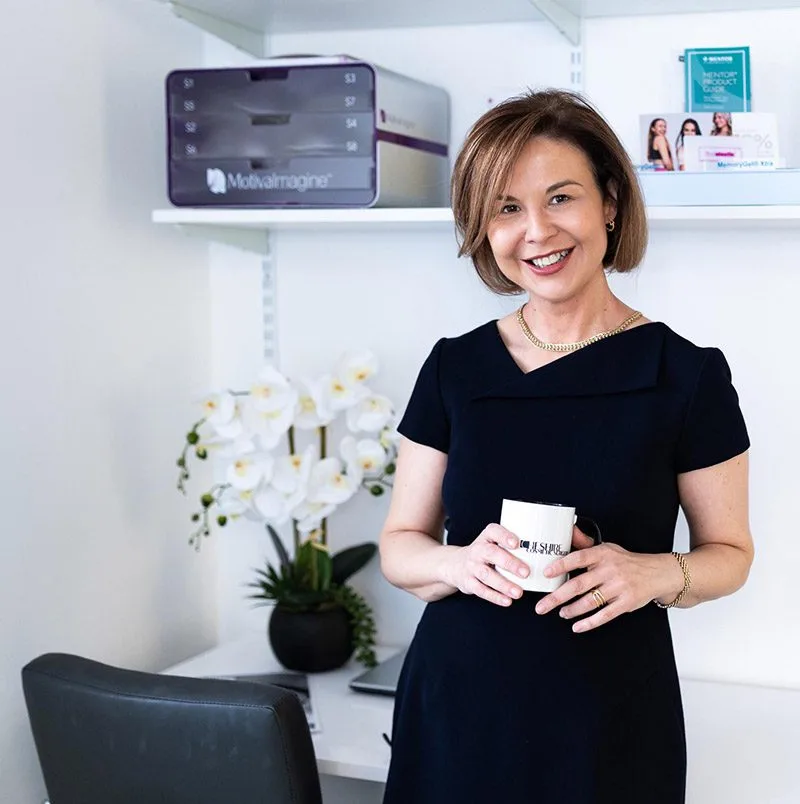
Miss Anca Breahna, PhD, MSc, FEBOPRAS, FRCS (Plast), is a Consultant Plastic, Reconstructive and Aesthetic Surgeon practising in Chester. A good cosmetic surgery consultation should feel calm, thorough, personalised, and free from pressure, with enough time to understand your options, the risks, recovery, and whether surgery is appropriate for you.
A consultation is not simply an opportunity to choose a procedure or discuss how you would like to look. It is a medical assessment designed to establish whether treatment is safe, realistic, and likely to provide a worthwhile improvement.
You should leave with a clear understanding of what surgery may achieve, what it cannot guarantee, and what recovery will involve. This guide explains what should happen during a cosmetic surgery consultation, how your suitability is assessed, which questions to ask, and which warning signs should make you pause.
What Should a Good Cosmetic Surgery Consultation Feel Like?
A high-quality consultation should include a detailed medical history, a discussion of your goals, an appropriate examination, and a balanced explanation of treatment options. It should also cover risks, scars, recovery, alternatives, costs, and the possibility that surgery may not be recommended.
- A personalised discussion of your concerns
- A complete health and medication review
- An examination relevant to the proposed procedure
- An explanation of realistic outcomes and limitations
- Time to consider your decision without pressure
The consultation should be led by the surgeon who would perform your operation, even if other team members also support your care. You should feel informed and respected rather than hurried, persuaded, or uncomfortable about asking questions.
Why Is the Cosmetic Surgery Consultation So Important?
The consultation is one of the most important parts of the entire surgical process because it shapes every decision that follows. It allows the surgeon to assess whether an operation is safe, suitable, and proportionate to the concern you want to address.
- Identifies relevant medical and surgical risks
- Clarifies your goals and expectations
- Determines which procedure, if any, is appropriate
- Provides information about scars, limitations, and recovery
- Creates the basis for valid informed consent
A technically well-performed operation can still lead to disappointment if the wrong procedure was selected or expectations were not explored properly. Good outcomes begin with careful assessment and honest communication rather than with the operation itself.
What Happens During a Cosmetic Surgery Consultation?
A consultation should be structured but still feel like a two-way conversation. The surgeon should listen carefully, ask relevant medical questions, examine you where appropriate, and explain the available options in language you can understand.
- Discussion of the concern that brought you to the clinic
- Review of your medical and surgical history
- Assessment of your goals and motivations
- Physical examination where clinically necessary
- Explanation of treatment options and next steps
The consultation should not feel like a standard sales script that is identical for every patient. Your anatomy, health, lifestyle, responsibilities, and personal priorities should all influence the discussion.
✓ Discussion of Your Concerns
The surgeon will usually begin by asking what concerns you and what change you hope surgery might achieve. This discussion should focus on your own priorities rather than assuming that every patient wants the same outcome.
- How long the concern has affected you
- Why you are considering treatment now
- Which specific features you would like to change
- How the issue affects daily life or confidence
- What a satisfactory improvement would look like to you
You do not need to use medical language or arrive knowing the name of a procedure. A good surgeon will help translate your concerns into realistic clinical goals without directing you towards unnecessary treatment.
✓ Review of Your Medical and Surgical History
Cosmetic surgery is still surgery, so your health must be assessed carefully before any recommendation is made. The surgeon should ask about conditions, medications, previous operations, allergies, smoking, and other factors that may affect anaesthesia, healing, or recovery.
- Current and previous medical conditions
- Prescription medicines and supplements
- Allergies and previous anaesthetic problems
- Smoking, vaping, or nicotine use
- Previous cosmetic or reconstructive procedures
It is important to answer these questions honestly, even when a detail seems unrelated to the procedure. Accurate information helps the surgeon reduce avoidable risk and decide whether further tests, medical review, or a delay may be necessary.
✓ Assessment of Your Goals and Expectations
A safe consultation explores not only what you want to change but also what you expect surgery to do for you. The surgeon should assess whether your goals are achievable and whether the likely improvement justifies the scars, recovery, and potential complications involved.
- Desire for improvement rather than perfection
- Understanding that natural asymmetry may remain
- Awareness that scars are permanent
- Recognition that ageing and weight changes continue
- Motivation that comes from you rather than another person
Surgery may improve a physical concern, but it cannot guarantee happiness, repair a relationship, or create an exact copy of another person’s appearance. If you are still weighing the potential benefits, limitations, and personal motivations involved, this guide can help you consider whether cosmetic surgery is the right decision for you. A responsible surgeon will discuss these limitations sensitively and may advise waiting if expectations are not yet realistic.

Will the Surgeon Examine You?
An examination is often necessary because procedure choice depends on anatomy rather than photographs or descriptions alone. The surgeon may assess skin quality, tissue volume, proportions, scars, asymmetry, muscle tone, or other features relevant to the area being considered.
- Skin elasticity and tissue quality
- Existing asymmetry and proportions
- Previous scars or operations
- Relevant measurements
- Features that may affect procedure selection
The examination should be explained in advance and carried out with respect for your dignity and privacy. You should be offered an appropriate chaperone and should feel able to ask for the examination to pause at any time.
✓ What Should Happen During the Examination?
The surgeon should explain what they are assessing and why those findings matter for the proposed treatment. Measurements or clinical photographs may be recommended to support planning, but consent should be obtained before they are taken.
- Explanation of the purpose of the examination
- Privacy while changing where required
- Use of gloves and appropriate clinical practice
- Consent before photographs or measurements
- Clear discussion of relevant findings afterwards
You should not feel exposed, rushed, or uncertain about what is happening. A professional examination should remain focused on clinical assessment and should lead to a clearer explanation of your options.
How Should the Surgeon Explain Your Options?
A good surgeon should compare all reasonable options rather than presenting one operation as the only possible answer. This includes explaining the benefits, limitations, scars, recovery, risks, and whether non-surgical treatment or no treatment may be more appropriate.
- The recommended procedure and why it suits you
- Other surgical techniques that could be considered
- Non-surgical options where relevant
- The option of postponing treatment
- The option of doing nothing
The recommendation should be personalised to your anatomy and goals rather than based on a standard package. You should understand why one option may be safer or more effective than another.
✓ How Should the Proposed Procedure Be Explained?
The surgeon should describe what the operation involves in practical terms and avoid relying on vague promotional language. You should understand where surgery will take place, what anaesthesia is planned, where scars will be located, and what recovery is likely to require.
- Main steps of the operation
- Type of anaesthesia
- Expected incision and scar pattern
- Likely hospital stay
- Typical recovery milestones
The explanation should also include what the procedure cannot correct and what uncertainties remain. Honest limits are a sign of sound judgement, not a lack of confidence.
✓ How Should Results Be Discussed?
Results should be described as likely ranges rather than promises because every patient heals differently. Before-and-after photographs may help illustrate possibilities, but they should never be presented as a guarantee of your own outcome.
- Realistic degree of improvement
- Possibility of residual asymmetry
- Variation in scar quality
- Changes that may occur with ageing or weight fluctuation
- Potential need for revision surgery
Photographs are most useful when they show patients with similar starting anatomy and are taken under consistent conditions. Your final result will still depend on your tissues, healing response, health, and postoperative care.
What Questions Should You Ask at the Consultation?
Asking questions helps you understand the recommendation and reveals how clearly the surgeon communicates. A safe surgeon should welcome thoughtful questions about qualifications, procedure choice, risks, recovery, aftercare, and revision policies.
- Why is this procedure suitable for me?
- What are the common and serious risks?
- Where will the surgery take place?
- Who will provide my anaesthetic?
- What happens if I develop a complication?
You do not need to ask every question from memory during one appointment. It can be helpful to bring written notes and record the answers afterwards so that you can reflect without feeling rushed.
✓ Questions About the Surgeon and Procedure
You should know who will perform the operation and whether they have relevant experience with the procedure you are considering. Ask how often they perform it, which techniques they use, and what factors would make them advise against surgery.
- Are you on the GMC Specialist Register for plastic surgery?
- How frequently do you perform this procedure?
- Which technique would you recommend for me?
- What are the main limitations in my case?
- Can I see standardised examples of similar patients?
The quality of the answer matters more than a simple number or confident statement. Experienced surgeons usually discuss variation, difficult cases, complications, and limitations with clarity and nuance.
✓ Questions About Aftercare and Further Treatment
Aftercare should be discussed before surgery rather than left until the day of discharge. You should understand who will review you, how concerns are escalated, and whether additional treatment could involve further costs.
- How many follow-up appointments are included?
- Who should I contact outside normal hours?
- When will you review me personally?
- What is the clinic’s revision policy?
- Could complications involve additional fees?
Clear answers demonstrate continuity and accountability. Vague or evasive explanations may indicate that postoperative support is not as organised as it should be.
What Should Make You Pause After a Cosmetic Surgery Consultation?
A consultation should help you make a careful medical decision, not encourage you to commit quickly. Certain behaviours, promises, and gaps in information may indicate that the process is more commercially driven than patient-centred.
- Pressure to book or pay immediately
- Guaranteed results or dismissive language
- Little discussion of risks or alternatives
- Unclear responsibility for aftercare
- Recommendations for procedures you did not request
One concern may have an innocent explanation, but a pattern of warning signs should not be ignored. You should feel able to pause, seek clarification, or leave without being made to feel guilty.
For a broader guide to checking qualifications, GMC registration, hospital standards and warning signs, read our guide to how to choose a plastic surgeon in the UK,
✓ Pressure to Book or Pay
Time-limited discounts and repeated requests for a deposit can interfere with calm decision-making. Cosmetic surgery is elective, so there should usually be enough time to review written information and consider whether treatment is right for you.
- Same-day booking incentives
- Expiring discounts
- Repeated sales calls
- Pressure to secure an operating date
- Statements that you may lose your opportunity
Transparent pricing is appropriate, but urgency should not be used to overcome hesitation. A reputable clinic will respect your need to reflect and will not treat uncertainty as a sales objection.
✓ Guaranteed Results
No surgeon can guarantee perfect symmetry, invisible scars, or a complication-free recovery. Healing varies between patients, and even a carefully planned operation may produce an outcome that differs from the original expectation.
- Promises of perfection
- Claims that scars will disappear
- Assurances that complications never happen
- Guarantees of exact photographs or measurements
- Dismissal of revision surgery as impossible
A responsible surgeon should explain both likely benefits and unavoidable uncertainty. Balanced language is a sign of honesty and professional judgement rather than a lack of confidence.
✓ Limited Discussion of Risks
Surgery risks should be explained clearly enough for you to understand their relevance to your procedure. Simply describing complications as rare or unimportant does not provide meaningful informed consent.
- No explanation of common complications
- Serious risks mentioned only briefly
- Scarring not discussed
- No information about revision surgery
- No plan for managing complications
The aim is not to frighten you, but to help you make a proportionate decision. You should understand what could happen, how likely it may be, and what treatment would involve if a problem developed.
✓ A Sales-Led Consultation
Administrative staff can support booking and practical arrangements, but the clinical recommendation should come from the surgeon who would perform the operation. You should be cautious if most of the appointment focuses on packages, finance, or availability rather than your health and suitability.
- Minimal time with the surgeon
- Heavy emphasis on promotions
- Standardised procedure packages
- Pressure to add further treatments
- Clinical questions answered by sales staff
The consultation should remain a medical assessment even when it takes place in a private clinic. Decisions about surgery should be based on anatomy, health, goals, and risk rather than sales targets.
Who Is Suitable for Cosmetic Surgery?
Suitability depends on much more than wanting to change a physical feature. The surgeon must consider your health, expectations, motivation, anatomy, and ability to recover safely.
- Good general health
- Realistic expectations
- Independent motivation
- Stable weight where relevant
- Ability to follow postoperative advice
A suitable patient understands that surgery may improve a concern but cannot guarantee perfection. The likely benefit should be meaningful enough to justify the scars, recovery, and potential complications involved.

✓ Who May Be Advised to Wait?
Some patients may be better served by delaying surgery until health, weight, family plans, or expectations are more stable. Waiting may also be recommended when recovery support is inadequate or another person is influencing the decision.
- Active smoking or nicotine use
- Uncontrolled medical conditions
- Planned pregnancy or major weight loss
- Unrealistic or highly specific expectations
- Limited support during recovery
Being advised to wait is not a rejection or judgement. It is often a safety decision intended to improve both the experience and the eventual result.
What Risks Should Be Discussed?
Every surgical procedure carries general and procedure-specific risks. These should be explained in relation to your health, anatomy, and proposed operation rather than presented as a generic checklist.
- Bleeding or haematoma
- Infection
- Delayed wound healing
- Scarring or altered sensation
- Asymmetry or dissatisfaction
Other risks may include anaesthetic complications, blood clots, fluid collections, tissue loss, or the need for further surgery. The exact discussion should reflect the operation being considered and any personal factors that may increase risk.
What Happens if Something Goes Wrong?
The consultation should explain how complications are recognised, who will review you, and where urgent treatment would take place. You should also understand whether further care or revision surgery could involve additional costs.
- Emergency contact details
- Access to clinical review
- Hospital assessment where necessary
- Responsibility for further treatment
- Revision and financial policies
A safe clinic plans for uncommon problems rather than assuming they will never occur. Clear escalation arrangements can make a significant difference if concerns develop after discharge.
How Should Recovery Be Planned?
Recovery after surgery should be discussed before surgery so that you can prepare for work, transport, childcare, and support at home. The advice should be tailored to your operation and circumstances rather than based only on general timelines.
- Time away from work
- Restrictions on driving and exercise
- Wound and dressing care
- Support garments where required
- Scheduled follow-up appointments
You should also understand that swelling, bruising, tightness, and temporary asymmetry may be normal during early healing. The surgeon should explain which symptoms are expected and which require prompt medical advice.
✓ What Support Will You Need at Home?
Some procedures make ordinary activities difficult during the first days or weeks. Planning practical support in advance can reduce strain and help you follow postoperative restrictions.
- Transport home after surgery
- Help with children or dependants
- Assistance with meals and household tasks
- Support with medication and dressings
- Someone available during the early recovery period
The level of support required depends on the operation and your home circumstances. A good consultation should consider how recovery will work in real life, not only how long wounds take to heal.
When Should You Contact the Surgical Team?
You should receive clear written advice about symptoms that require urgent review. Any sudden, worsening, or unusual change should be reported rather than waiting for the next routine appointment.
- Increasing redness or heat
- Sudden swelling or bleeding
- Worsening pain
- Fever or wound discharge
- Breathlessness, chest pain, or calf pain
Some discomfort is expected, but serious symptoms should never be dismissed as part of normal healing. Early assessment can prevent complications from becoming more difficult to manage.
What Are the Alternatives to Cosmetic Surgery?
A balanced consultation should include reasonable alternatives, even when surgery is technically possible. These may involve waiting, non-surgical treatment, lifestyle changes, psychological support, or choosing no treatment.
- Delaying the decision
- Seeking a second opinion
- Non-surgical procedures
- Weight stabilisation or supportive garments
- No treatment
Non-surgical options cannot always reproduce the structural changes achieved by surgery, and they may carry their own limitations and risks. The right choice depends on the concern, the likely benefit, and how much treatment you are prepared to undergo.
Download Miss Anca Breahna’s Cost of Surgery Guide

What Should Be Explained About Costs?
Cost discussions should be clear, written, and separate from clinical pressure. You should understand the total likely expense and what is included before paying a deposit or choosing an operating date.
- Surgeon’s fee
- Hospital and theatre charges
- Anaesthetist’s fee
- Implants or specialist materials
- Follow-up and revision arrangements
Specific prices should only be published when they are current and approved by the practice. A quotation should also explain whether unexpected treatment or revision surgery could lead to additional fees.
✓ Should You Pay a Deposit at the Consultation?
You should not feel obliged to pay simply because you have attended an appointment. Before making a payment, ask about refund terms, cancellation policies, and whether there is a period for reflection.
- Whether the deposit is refundable
- What happens if surgery is postponed
- What happens if the surgeon advises against treatment
- Whether the quotation can change
- Which services are included
A deposit should confirm an informed decision rather than create pressure to proceed. Make sure you receive written terms and have had enough time to consider them.
Summary
A good cosmetic surgery consultation should feel calm, detailed, respectful, and personalised. It should provide a medical assessment, realistic treatment options, clear risks, recovery planning, and enough time to decide without pressure.
- Expect a full health assessment.
- Ask how the procedure suits your anatomy.
- Understand risks, scars, and limitations.
- Confirm aftercare and emergency access.
- Walk away from pressure or guarantees.
The purpose of consultation is not to persuade every patient to have surgery. It is to determine whether treatment is safe, appropriate, and likely to provide a worthwhile improvement.

FAQs About Plastic Surgery Consultation UK
If I leave a consultation feeling more anxious, is that a sign the surgeon was being honest or a sign something was wrong?
It depends on why. Honest risk discussion can feel sobering, but it should also feel structured and supportive. If anxiety comes from pressure, vagueness, or feeling dismissed, that is a red flag. A good consultation gives clarity and time to decide.
Is it normal for a clinic to offer a discount if I book during the consultation?
Price transparency is fine, but urgency tactics are not. If you feel pushed to commit quickly to secure a deal, step back. Good consent is not compatible with time pressure.
What is the most telling “small detail” that a consultation is high quality?
When the surgeon can clearly explain what would make them advise against surgery for you. That shows judgement and patient selection, not just technical ability.
Should the surgeon physically examine me on the first visit?
Usually, yes, if surgery is being discussed, because anatomy and tissue quality affect options. If the plan is proposed without an examination, be cautious.
What if the surgeon only shows perfect before-and-after photos?
Ask to see a range of results, including cases closer to your body type and goals. If they cannot show variety or discuss real-world outcomes, consider a second opinion.
Is it a red flag if I never speak to the surgeon and only speak to a coordinator?
Coordinators can help with logistics, but the surgeon should lead decision-making, risks, and consent. If the surgeon time feels minimal or avoidant, pause.
What is a weird but useful question to ask about aftercare?
Ask what happens if you have a concern on a weekend. You want a clear escalation pathway, not a vague promise. The NHS encourages thinking about what happens if something goes wrong.
Why would a surgeon recommend waiting even if I am ready now?
Because timing affects results and safety. Weight changes, smoking, recent pregnancy, or unstable health can increase risk. A surgeon who recommends waiting may be protecting your outcome.
Should I expect a cooling-off period in the UK?
You should expect time to decide. The GMC notes that clinics may use a cooling-off period and that time needed varies by patient and procedure.
What if my surgeon seems dismissive of mental health or body image questions?
That is a concern. The RCS professional standards explicitly include attention to psychologically vulnerable patients in cosmetic settings.
If a consultation feels too friendly, is that bad?
Warmth is fine, but structure matters more. You should still receive a medical assessment, balanced risks, alternatives, and clear next steps, not just reassurance.
Medical References
- Choosing who will do your cosmetic procedure / NHS – https://www.nhs.uk/tests-and-treatments/cosmetic-procedures/advice/choosing-who-will-do-your-procedure/
- What Do Patients Look for When Scheduling Their Initial Elective Aesthetic Plastic Surgery Consultation? / Aesthetic Plastic Surgery – https://pubmed.ncbi.nlm.nih.gov/37620567/
- Expectation management and patient-surgeon communication in aesthetic surgery: A narrative review of current challenges and communication strategies / Patient Education and Counseling – https://www.sciencedirect.com/science/article/pii/S0738399126000443
- Knowledge, Attitudes, and Practices With Regard to Cosmetic Procedures Among the General Population in the Western Region of Saudi Arabia: A Cross-Sectional Study / Cureus Journal of Medical Science – https://www.cureus.com/articles/208692-knowledge-attitudes-and-practices-with-regard-to-cosmetic-procedures-among-the-general-population-in-the-western-region-of-saudi-arabia-a-cross-sectional-study#!/
Take our Plastic Surgery Quiz to find out if you’d be a good candidate for cosmetic surgery.
Arrange a Cosmetic Surgery Consultation With Miss Anca Breahna
A cosmetic surgery consultation should provide time to discuss your concerns, medical history, treatment options, potential risks and expected recovery before deciding whether surgery is appropriate.
If you are considering cosmetic surgery in Chester, you can book a consultation with Miss Anca Breahna, Consultant Plastic, Reconstructive and Aesthetic Surgeon, to discuss your individual circumstances and available options.
Further Reading
- Read Patient Information about Preparing for Your Surgery – Patient Instructions
- Read Patient Information about How to Stop Smoking and Vaping before and after Surgery
- Read Patient Information about Patient Resources