- Take our Plastic Surgery Quiz to find out if you'd be a good candidate for cosmetic surgery.
- What Causes Apron Belly?
- When Apron Belly Becomes A Physical Or Emotional Burden
- Download Miss Anca Breahna Tummy Tuck Guide
- Surgical Solutions for an Apron Belly
- Understanding The Difference Between Panniculectomy And Tummy Tuck
- Before and After Abdominoplasty (Tummy Tuck) Patient's Images
- UK-Specific Trends In Apron Belly Surgery
- Is Surgery The Right Step For You?
- What To Expect From Surgery And Recovery
- Do's And Don'ts For Apron Belly Surgery
- Why Choose Miss Anca Breahna In Chester?
- FAQs About Surgery For An Apron Belly
- Next Steps
- Further Reading
- About Anca Breahna – Consultant Plastic Surgeon
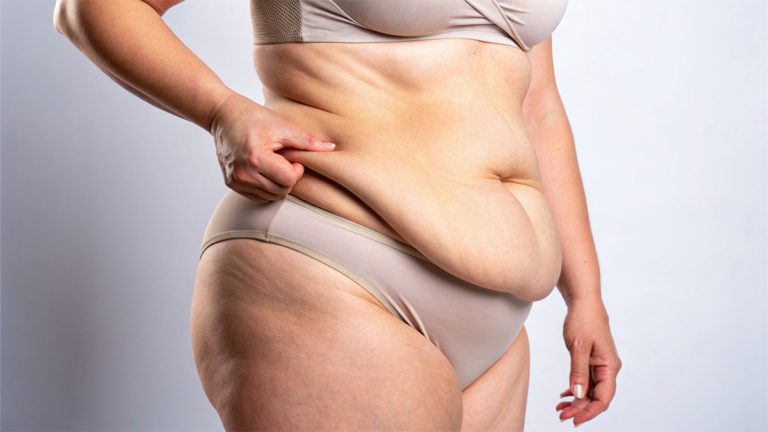
Excess lower abdominal skin and fat that hangs over the waistline can be more than just a cosmetic frustration. Often referred to as an “apron belly,” this condition affects many individuals following pregnancy, substantial weight loss, or natural ageing. It can cause discomfort, hygiene challenges, and difficulty with clothing; and it may take a toll on self-confidence. For many, the solution goes beyond lifestyle changes and enters the realm of surgical treatment.
Miss Anca Breahna, Consultant Plastic and Reconstructive Surgeon based in Chester, UK, is a highly regarded female plastic surgeon who specialises in abdominal surgeries for both aesthetic and functional concerns. Her patients travel from Cheshire, Wirral, and North Wales to receive individualised care and expert guidance. She understands how deeply an apron belly can impact day-to-day life and offers tailored solutions that prioritise safety, comfort, and long-term satisfaction.
Take our Plastic Surgery Quiz to find out if you’d be a good candidate for cosmetic surgery.
What Causes Apron Belly?
Apron belly develops when the skin and fat in the lower abdomen stretch beyond their ability to recoil. This typically occurs after repeated weight gain and loss, multiple pregnancies, or rapid and substantial weight reduction such as after bariatric surgery. As the abdominal tissues expand, the elasticity of the skin diminishes, and fat deposits may become more prominent. In some individuals, the underlying abdominal muscles may also weaken or separate, particularly following pregnancy.
Over time, the weight of this excess tissue causes it to hang downward from the abdominal wall, sometimes extending to the groin or thighs. Unlike general weight gain, apron belly creates a specific overhanging fold that does not usually respond to diet or exercise alone. The tissue can become dense, heavy, and uncomfortable: a permanent reminder of the body’s past changes. Genetics, ageing, and previous abdominal surgeries may all play a role in the development and severity of apron belly.
When Apron Belly Becomes A Physical Or Emotional Burden
While apron belly may be easily covered by clothing, its effects are often felt more than seen. The overhang can rub against skin or clothing, creating friction, redness, and even infections or sores. In hot or humid weather, moisture can accumulate beneath the fold, causing rashes or fungal irritation. This discomfort can limit physical activity and lead to chronic hygiene concerns.
Emotionally, many patients feel deeply affected. Apron belly may create a sense of shame, embarrassment, or disconnection from one’s body. Some avoid social situations, intimacy, or exercise out of fear of judgment or discomfort. Even after achieving significant health milestones such as weight loss, the persistent presence of apron belly can feel like an unfair reminder of a past life.
Patients often express frustration that despite living healthily and making significant efforts, they are unable to shift this physical burden. For those individuals, surgery may offer more than a cosmetic improvement; it may restore a sense of freedom, control, and personal pride.
Download Miss Anca Breahna Tummy Tuck Guide
Surgical Solutions for an Apron Belly 
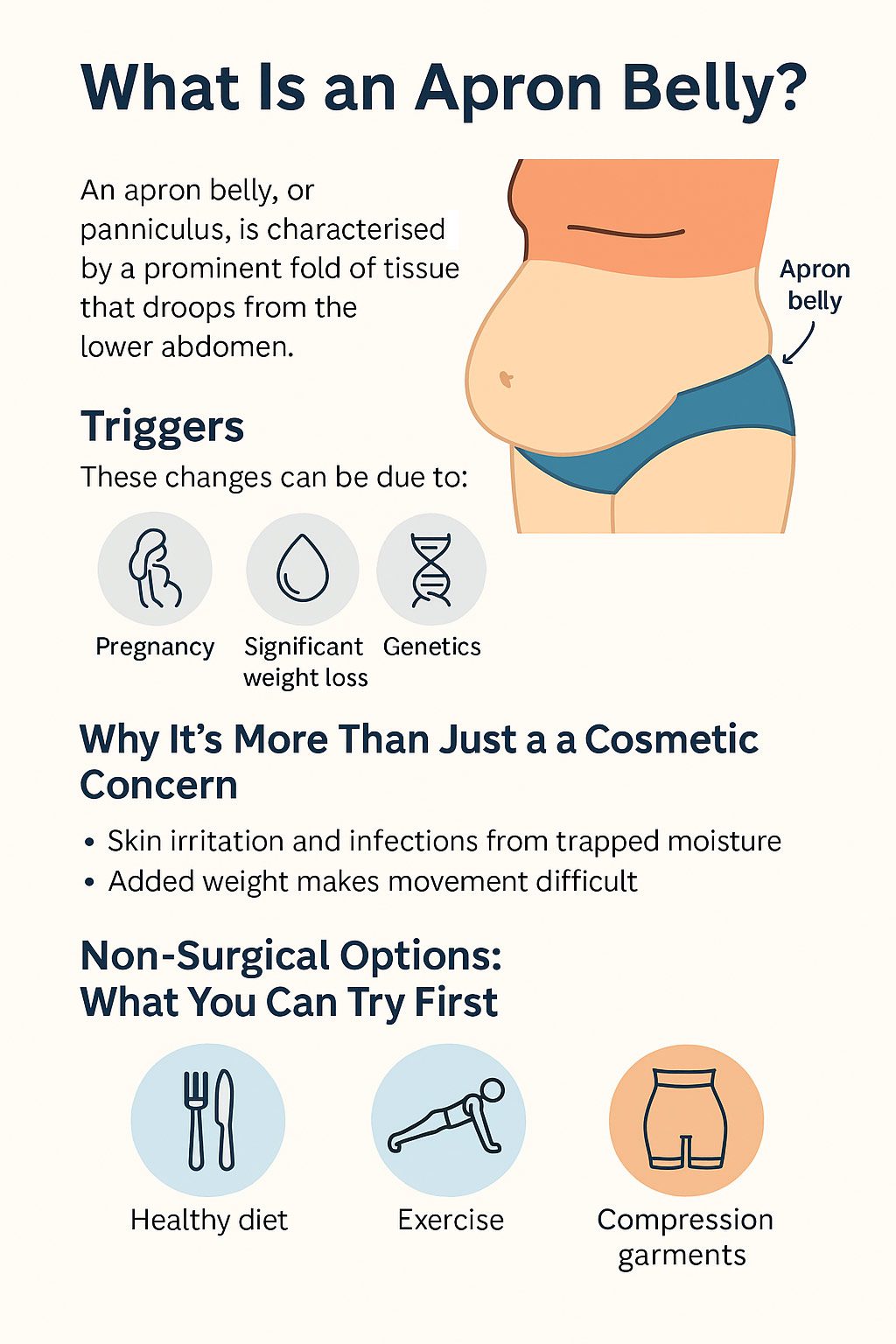
The two most effective surgical options for addressing apron belly are panniculectomy and abdominoplasty. Both procedures are designed to remove excess lower abdominal tissue, but they differ in scope and purpose. The choice between them depends on the individual’s anatomy, symptoms, goals, and overall health.
Panniculectomy focuses solely on removing the pannus: the overhanging skin and fat that characterises apron belly. This operation is typically considered when the tissue causes medical issues such as skin infections, hygiene difficulty, or discomfort with mobility. It does not include tightening of the abdominal muscles or reshaping of the waistline. The priority is functional relief rather than cosmetic enhancement.
Abdominoplasty, often referred to as a tummy tuck, includes removal of excess skin and fat along with the repair of weakened or separated abdominal muscles. It is ideal for those whose apron belly is accompanied by core muscle laxity or aesthetic concerns. This surgery can improve both the appearance and strength of the abdominal wall, making it a more comprehensive option for suitable candidates.
Understanding The Difference Between Panniculectomy And Tummy Tuck
Though both panniculectomy and tummy tuck surgeries remove excess abdominal tissue, their differences are significant. Panniculectomy is reconstructive in nature. It addresses a medical problem and is commonly performed for patients who have experienced major weight loss or have chronic skin issues due to the pannus. It does not alter the position of the belly button or tighten muscles.
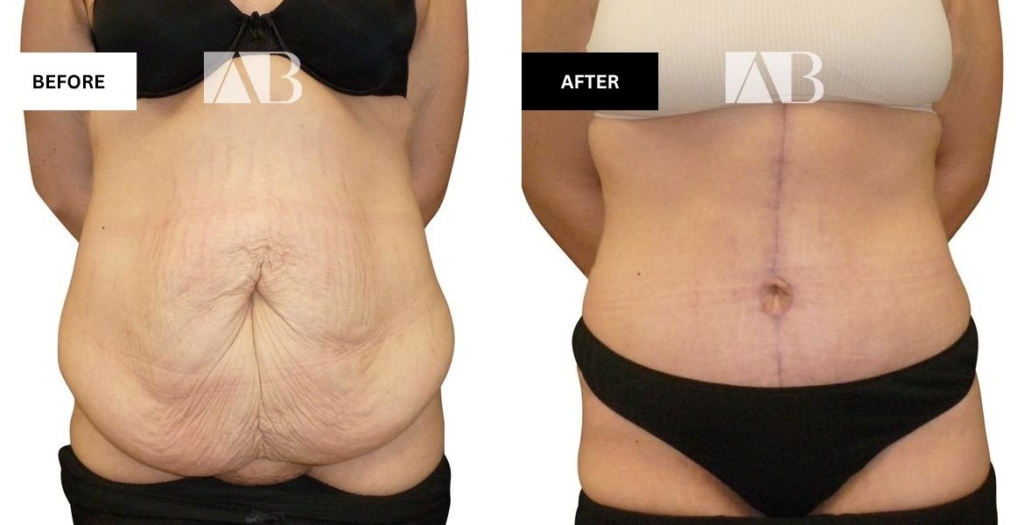
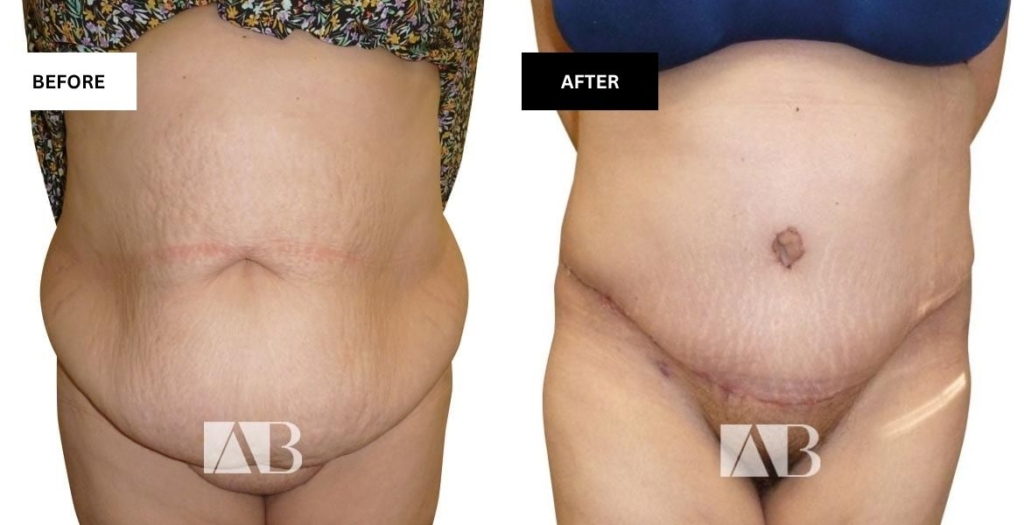
Tummy tuck surgery is both reconstructive and cosmetic. It not only removes the apron but also tightens the abdominal muscles, refines the waistline, and restores a more youthful body contour. It may involve repositioning the navel and addressing areas of excess fat through liposuction techniques. The result is not just a flatter abdomen but also improved abdominal tone.
Miss Anca Breahna uses her extensive training in both aesthetic and reconstructive surgery to assess which procedure will offer the best outcome. For some patients, a combined approach may be most effective. Her consultations in Chester are highly personalised and designed to ensure patients understand their options fully before committing to any treatment.
Before and After Abdominoplasty (Tummy Tuck) Patient’s Images
UK-Specific Trends In Apron Belly Surgery
In the UK, increasing numbers of patients are seeking surgery after weight loss, particularly following bariatric procedures such as gastric sleeve or bypass. This has led to a growing demand for panniculectomy and abdominoplasty procedures to address skin laxity and restore comfort.
More patients are choosing highly qualified plastic surgeons in the private sector for apron belly correction due to shorter waiting times and personalised care. In Chester and surrounding areas, Miss Anca Breahna has seen a consistent rise in post-weight loss body contouring enquiries, especially among patients aged 35 to 65.
There is also greater awareness of the functional limitations of apron belly, encouraging more patients to seek help for discomfort and hygiene challenges, not just aesthetics. With public health messaging focusing on long-term weight stability and mobility, apron belly surgery is increasingly viewed as a medically supportive step.
Is Surgery The Right Step For You?
Surgery for apron belly is not appropriate for everyone, and determining suitability involves several key considerations. Candidates must be in good general health, with stable body weight and no active infections. Smokers may be asked to stop smoking well in advance of surgery, as smoking can impair healing and increase surgical risks.
Ideal candidates are those who have realistic expectations and a strong understanding of what surgery can and cannot achieve. Apron removal procedures can dramatically improve comfort and quality of life, but they do involve visible scarring, downtime, and some level of physical adjustment. For this reason, a thoughtful, collaborative discussion between patient and surgeon is essential.
During her consultations in Chester, Miss Anca Breahna performs a thorough abdominal examination, reviews the patient’s medical history, and discusses their goals and motivations. She considers skin quality, fat distribution, muscle tone, and personal circumstances before recommending a plan. Her goal is always to help the patient feel confident, safe, and informed.
What To Expect From Surgery And Recovery
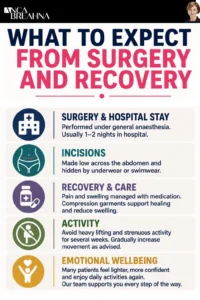
Surgery for apron belly is typically performed under general anaesthesia and may require a hospital stay of one to two nights. Incisions are usually made horizontally across the lower abdomen, where they can be hidden by underwear or swimwear. The extent of the incision depends on how much tissue needs to be removed and whether muscle repair is included.
After surgery, patients are monitored closely for any signs of complications. Pain and swelling are managed with medication and supportive garments. Compression garments help reduce swelling and support healing tissues, especially in the early weeks. Most patients are advised to avoid heavy lifting or strenuous activity for several weeks and to gradually increase mobility based on comfort.
The emotional aspect of recovery is equally important. Many patients report a sense of lightness and relief once the excess tissue is gone. They feel more comfortable in their bodies, and activities like walking, exercising, or dressing become easier and more enjoyable. Miss Breahna and her team are available to guide and support patients through each phase of healing, offering practical advice and reassurance along the way.
Do’s And Don’ts For Apron Belly Surgery
- ✓ Do maintain a healthy, stable weight for several months before your consultation. This helps ensure optimal surgical outcomes.
- ✓ Do stop smoking in advance of surgery if applicable, as it affects wound healing and increases the risk of complications.
- ✓ Do arrange help at home during the initial recovery period. Rest and reduced strain are vital in the first two weeks.
- ✗ Don’t plan intense physical activities or travel immediately after surgery. Allow your body adequate time to heal.
- ✗ Don’t use over-the-counter creams or products on your surgical site without your surgeon’s advice.
- ✗ Don’t compare your recovery or scar appearance to others; each person’s healing is unique.
Miss Anca Breahna provides personalised recovery instructions to every patient, ensuring you feel supported at every stage. Her guidance is based on years of surgical experience and a deep understanding of what promotes the safest and smoothest healing journey.
Why Choose Miss Anca Breahna In Chester?
Miss Anca Breahna is a Consultant Plastic and Reconstructive Surgeon with specialist experience in abdominal procedures that treat both aesthetic and functional concerns. As one of the few highly regarded female plastic surgeons in the Chester region, she brings a unique combination of surgical precision, compassionate care, and patient advocacy.
Her approach is grounded in honesty, individualised care, and clinical excellence. Patients are encouraged to express their goals openly, and each plan is shaped to match their anatomy and lifestyle. With access to first-class surgical facilities at Nuffield Health The Grosvenor Hospital Chester and Spire Murrayfield Hospital Wirral, Miss Breahna provides a safe, professional environment for surgery and follow-up care.
Patients from across Cheshire, Wirral, and North Wales choose her not only for her surgical expertise but also for her deep understanding of the physical and emotional impact of conditions like apron belly. Her ability to listen, educate, and deliver natural results has made her a trusted name in the region.
FAQs About Surgery For An Apron Belly
Can apron belly return after surgery?
Yes, it is possible if significant weight gain or loss occurs after surgery. Maintaining a stable weight through a healthy lifestyle is important for preserving results.
Is apron belly surgery only for women?
No, men also undergo panniculectomy or abdominoplasty following major weight loss or due to ageing. The condition affects both genders and the surgical approach is adapted accordingly.
Do I need to lose weight before surgery?
You should be at or near your goal weight before apron belly surgery. This ensures better results and reduces the risk of complications during recovery.
Will I need drains after surgery?
In some cases, surgical drains are used to prevent fluid build-up. Miss Breahna will explain whether this applies to your case based on the procedure type and extent.
Can apron belly surgery fix separated abdominal muscles?
Yes, if you opt for a tummy tuck. Panniculectomy does not address muscle repair, but abdominoplasty includes tightening the abdominal wall.
Does the NHS offer surgery for apron belly?
In select cases where the pannus causes severe functional problems, the NHS may offer surgery. However, strict criteria apply. Most patients opt for private treatment for tailored care and timely scheduling.
Is the scar very visible?
The scar is usually placed low across the abdomen and can be concealed by underwear or swimwear. Over time, it fades and softens, though individual healing varies.
Medical References
- “Impact of Panniculectomy and/or Abdominoplasty on Quality of Life: A Retrospective Cohort Analysis of Patient‑Reported Outcomes” / Plastic and Reconstructive Surgery / https://scholarlyworks.lvhn.org/surgery/2371/
- “Experiences of women undergoing abdominoplasty in the public sector: A qualitative study” / Australian Journal of Plastic Surgery / https://ajops.com/article/37728-experiences-of-women-undergoing-abdominoplasty-in-the-public-sector-a-qualitative-study
- “Abdominal suspension during massive panniculectomy” / Annals of Plastic Surgery / https://www.sciencedirect.com/science/article/pii/S2352587816300031
Next Steps
If you’re living with an apron belly and feel limited by discomfort, hygiene problems, or emotional strain, surgery may offer the relief and adjustment you need. The first step is a respectful and informative consultation with Miss Anca Breahna. Whether you are looking for functional improvement or wish to restore body confidence after weight loss or pregnancy, the path forward begins with expert advice.
Taking the first step towards regaining your former abdominal glory can be done in-person or virtually. You can book an in-person appointment at her Chester or Wirral clinic or submit a confidential photo assessment online. Miss Breahna will help you understand your options and guide you in making a decision that fits your goals and circumstances.
Reclaiming comfort, mobility, and self-assurance is possible. With the right guidance and support, you can move forward feeling stronger and more at ease in your own body. Miss Anca Breahna is here to help you take that step.
Visit the contact page to book an appointment
Further Reading
- Read Dr Breahna’s Blog on How to Get Rid of Abdominal Fat or Belly Fat
- Read Dr Breahna’s Blog on Best Candidates for the Mini Tummy Tuck
- Read Dr Breahna’s Blog on FUPA Causes and Treatments
About Anca Breahna – Consultant Plastic Surgeon
 Miss Anca Breahna, PhD, MSc, FEBOPRAS, FRCS (Plast), is a Consultant Plastic, Reconstructive and Aesthetic Surgeon based in Chester with extensive experience in abdominal contouring and reconstructive surgery. Her specialist background is particularly relevant to abdominoplasty, where careful assessment of excess skin, abdominal muscle separation, fat distribution and overall waist contour is essential when planning surgery.
Miss Breahna performs tummy tuck surgery in Chester for patients affected by loose abdominal skin, stretched or separated muscles, or changes following pregnancy and significant weight loss. During consultation, she considers skin quality, muscle tone, body shape, medical history and individual goals before deciding whether a full abdominoplasty, mini tummy tuck or another approach is most suitable. As an experienced plastic surgeon in Chester, her approach focuses on balanced abdominal contouring, thoughtful scar placement, appropriate muscle repair and realistic expectations, with liposuction considered in selected cases where it may help refine the final shape.
Back to blog