- Solutions for Post-inflammatory Hyperpigmentation
- What is Post-inflammatory Hyperpigmentation?
- Causes of Post-inflammatory Hyperpigmentation
- Diagnosis of Post-inflammatory Hyperpigmentation
- Prevention Strategies
- ✓ Proper Skincare Routine:
- ✓ Sun Protection:
- ✓ Early Treatment of Underlying Skin Conditions:
- ✓ Avoid Picking or Irritating the Skin:
- ✓ Healthy Lifestyle Choices:
- ✓ Be Cautious with New Products:
- Treatment Options for Post-inflammatory Hyperpigmentation
- ✓ Topical Treatments for Post-inflammatory Hyperpigmentation
- ✓ Chemical Peels
- ✓ Microdermabrasion
- ✓ Laser and Light Therapies
- ✓ Combination Therapies
- Natural and Home Remedies for Post-inflammatory Hyperpigmentation
- What to Expect during Treatment for Post-inflammatory Hyperpigmentation
- FAQs about Causes and Treatment for Post-inflammatory Hyperpigmentation
- Related Readings
Solutions for Post-inflammatory Hyperpigmentation
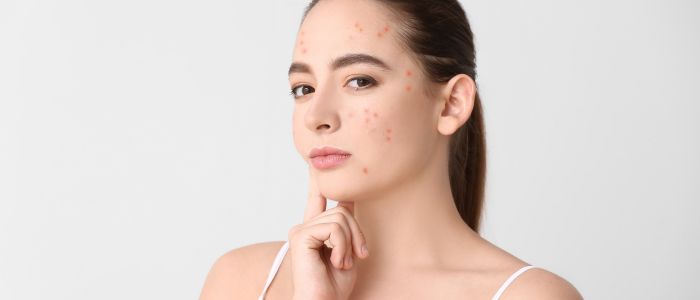
If you’ve ever noticed dark spots or patches appearing on your skin after acne, an injury, or another skin condition has healed, you’re likely dealing with post-inflammatory hyperpigmentation (PIH). This stubborn discolouration can affect people of all skin types, but it’s particularly prevalent in those with darker skin tones. Many people seek solutions for this persistent issue, which can linger long after the initial skin problem has resolved.
Miss Anca Breahna, Consultant Plastic and Reconstructive Surgeon, has extensive experience assessing a wide range of skin concerns and supporting patients affected by post-inflammatory hyperpigmentation.
What is Post-inflammatory Hyperpigmentation?
Post-inflammatory hyperpigmentation (PIH) is a common skin condition characterised by the appearance of dark spots or patches on the skin following inflammation or injury. To fully grasp PIH, it’s essential to understand how it differs from other types of hyperpigmentation and why it occurs.
Unlike melasma, which is primarily triggered by hormonal changes, or sun spots, which result from cumulative sun exposure, PIH is a direct consequence of skin trauma or inflammation. When your skin experiences injury or inflammation, it responds by producing excess melanin—the pigment responsible for your skin colour. This overproduction of melanin leads to the darkened areas you see as PIH.
You might notice PIH occurring in various areas of your body, but it’s most common in regions prone to acne, injury, or inflammatory skin conditions. Typical locations include face, neck, chest, back and arms.
While PIH can affect anyone, regardless of skin tone, it’s particularly prevalent and often more noticeable in people with darker skin. This is because darker skin types naturally have more active melanocytes—the cells responsible for producing melanin. As a result, your skin may be more prone to developing PIH if you have a medium to dark complexion.
You should know that PIH isn’t harmful to your health, but it can be a source of cosmetic concern and emotional distress for many.
Causes of Post-inflammatory Hyperpigmentation
To effectively address PIH, you should understand its causes. Here are the primary factors that can lead to the development of post-inflammatory hyperpigmentation:
- Acne: One of the most common triggers for PIH, particularly on the face. As acne lesions heal, they can leave behind darkened spots, especially if you’ve picked at or squeezed the spots.
- Skin Injuries: Any form of skin trauma can potentially lead to PIH. This includes cuts and scrapes, burns, insect bites, excessive scratching.
- Inflammatory Skin Conditions: Various skin disorders that cause inflammation can result in PIH, such as: eczema (atopic dermatitis), psoriasis, contact dermatitis, Lichen planus.
- Sun Exposure: While not a direct cause, sun exposure can significantly worsen existing PIH or prolong its duration. UV rays stimulate melanin production, which can darken PIH spots and make them more noticeable. Because sun exposure is also an important risk factor for skin cancer, patients should remain aware of what skin cancer can look like and which changes require medical attention.
- Hormonal Influences: Hormonal changes, such as those during pregnancy or when taking oral contraceptives, can make your skin more susceptible to PIH.
- Certain Medications: Some drugs can increase your skin’s sensitivity to sunlight, potentially exacerbating PIH. These may include: tetracycline antibiotics, nonsteroidal anti-inflammatory drugs (NSAIDs), some hypertension medications.
- Improper Use of Skincare Products: Harsh scrubs, over-exfoliation, or using products not suitable for your skin type can cause irritation, leading to PIH.
- Cosmetic Procedures: In some cases, treatments meant to improve your skin can cause temporary inflammation, potentially resulting in PIH. These might include chemical peels, Laser treatments and microdermabrasion.
Diagnosis of Post-inflammatory Hyperpigmentation
When you visit Miss Anca Breahna for concerns about PIH, she follows a thorough process to diagnose and assess your condition accurately. Here’s what you can expect:
- Visual Examination: The first step involves a close inspection of your skin. She’ll examine the affected areas, noting the size, shape, and colour of the hyperpigmented patches.
- Medical History: Miss Breahna will discuss your medical background, including any skin conditions you’ve had, medications you’re taking, and your skincare routine. This information helps her understand potential triggers and rule out other causes of hyperpigmentation.
- Wood’s Lamp Examination: In some cases, she may use a Wood’s lamp – a special ultraviolet light that helps distinguish between different types of pigmentation disorders.
- Dermoscopy: This non-invasive technique uses a handheld device to examine the skin more closely, helping us differentiate PIH from other conditions like melasma or lentigines.
- Skin Biopsy: While rarely necessary for PIH, a small skin sample may be taken if there’s any doubt about the diagnosis.
- Photography: She might take photos to document the initial state of your PIH and track progress over time.
Professional evaluation is important because PIH can sometimes be confused with other skin conditions. An accurate diagnosis ensures that you receive the most appropriate and effective treatment plan tailored to your specific needs. Learn more about common skin rashes and when to seek help.
Prevention Strategies
Preventing PIH is often easier than treating it, so incorporating these strategies into your skincare routine can help you avoid or minimise its occurrence:
✓ Proper Skincare Routine:
- Cleanse gently twice daily using a pH-balanced cleanser.
- Avoid harsh scrubs or excessive exfoliation, which can irritate your skin.
- Use non-comedogenic products to prevent acne breakouts.
- Incorporate products with soothing ingredients like niacinamide or centella asiatica.
✓ Sun Protection:
- Apply a broad-spectrum sunscreen with at least SPF 30 daily, even on cloudy days.
- Reapply sunscreen every 2 hours when outdoors.
- Wear protective clothing, hats, and sunglasses when exposed to sunlight.
- Seek shade, especially during peak sun hours (10 am to 4 pm).
✓ Early Treatment of Underlying Skin Conditions:
- Address acne promptly to prevent inflammation and subsequent PIH.
- Seek professional help for managing chronic skin conditions like eczema or psoriasis.
- Follow prescribed treatment plans consistently.
✓ Avoid Picking or Irritating the Skin:
- Resist the urge to pick at spots, scabs, or healing wounds.
- Use gentle skincare techniques; avoid rubbing or tugging at your skin.
- If you have an injury, keep the area clean and moisturised to promote healing.
✓ Healthy Lifestyle Choices:
- Maintain a balanced diet rich in antioxidants and vitamins.
- Stay hydrated to support overall skin health.
- Manage stress, which can exacerbate inflammatory skin conditions.
✓ Be Cautious with New Products:
- Patch test new skincare products before applying them to your face.
- Introduce new active ingredients gradually to minimise the risk of irritation.
Treatment depends on the cause, depth and extent of pigmentation, as well as skin type and medical history. Some options discussed below may require assessment or treatment by a dermatologist or another appropriately qualified clinician, and not every treatment is suitable for every patient.
Treatment Options for Post-inflammatory Hyperpigmentation
While prevention is ideal, if you’re already dealing with PIH, there are effective treatment options available. The best approach often involves a combination of therapies tailored to your specific skin type and concerns, particularly when acne has caused both pigmentation and textural changes — in which case dermal fillers for acne scars may be considered alongside pigment-targeting treatments.
✓ Topical Treatments for Post-inflammatory Hyperpigmentation
– Hydroquinone and its alternatives:
Hydroquinone has long been considered the gold standard for treating hyperpigmentation. It works by inhibiting melanin production. However, due to potential side effects with long-term use, we often recommend alternatives or use it in short cycles. Alternatives include:
- Kojic acid
- Arbutin
- Licorice extract
These ingredients offer similar lightening effects with fewer potential side effects.
– Retinoids:
Prescription-strength retinoids like tretinoin or adapalene can be highly effective in treating PIH. They work by increasing cell turnover, which helps fade dark spots more quickly. Over-the-counter retinol products can also be beneficial, though they’re typically less potent.
– Vitamin C and other antioxidants:
Vitamin C is a powerful antioxidant that can help brighten skin and reduce hyperpigmentation. It also helps protect against further sun damage. Other beneficial antioxidants include:
- Niacinamide
- Green tea extract
- Ferulic acid
– Kojic acid and azelaic acid:
These ingredients have both skin-lightening and anti-inflammatory properties, making them excellent choices for treating PIH. Azelaic acid is particularly useful for those who also struggle with acne.
✓ Chemical Peels
Chemical peels involve applying a solution to the skin that causes the outer layers to exfoliate, revealing fresher, more evenly toned skin underneath. Different types of peels can be used depending on your skin type and the severity of your PIH:
- Glycolic acid peels
- Salicylic acid peels
- Mandelic acid peels
- TCA (trichloroacetic acid) peels
These treatments are typically performed in a series for best results, and it’s important to have them done by a qualified professional to minimise the risk of further pigmentation.
✓ Microdermabrasion
This treatment uses tiny crystals or a diamond-tipped wand to gently exfoliate the skin’s surface. It can help fade mild PIH and improve overall skin texture. Multiple sessions are usually required for noticeable results.
✓ Laser and Light Therapies
Some laser and light treatments can effectively target pigmentation:
- Fractional lasers: These create microscopic wounds in the skin, triggering collagen production and helping to break up pigment.
- Q-switched lasers: Particularly effective for darker skin tones, these lasers target pigment without damaging the surrounding skin.
- Intense Pulsed Light (IPL): This broad-spectrum light treatment can help fade pigmentation and improve overall skin tone.
- LED therapy: While not as potent as other laser treatments, red and blue light therapy can help reduce inflammation and promote healing.
✓ Combination Therapies
Often, the most effective approach involves combining multiple treatments. For example, Miss Breahna might recommend a series of chemical peels along with a customised at-home skincare regimen using topical treatments. The specific combination will depend on your skin type, the severity of your PIH, and your treatment goals.
Natural and Home Remedies for Post-inflammatory Hyperpigmentation
While professional treatments are often most effective, some natural remedies may help improve mild PIH:
- Aloe vera: Known for its soothing and healing properties
- Rosehip oil: Rich in vitamins A and C, which can help fade dark spots
- Turmeric: Has anti-inflammatory properties and may help even skin tone
- Apple cider vinegar: Can act as a mild chemical peel when diluted properly
Keep in mind that while these natural options can be helpful, they’re typically not as potent as professional treatments and may take longer to show results.
What to Expect during Treatment for Post-inflammatory Hyperpigmentation
When undergoing treatment for PIH, you should have realistic expectations and understand that results take time. Here’s what you can generally expect:
Typical treatment durations:
- For mild PIH, you might see improvement in 6-8 weeks with consistent use of topical treatments.
- More severe cases may take 3-6 months or longer to show significant improvement.
- A series of chemical peels or laser treatments typically involves 4-6 sessions spaced 2-4 weeks apart.
Potential side effects and how to manage them:
- Mild redness or irritation: This is common with many treatments. Use gentle, fragrance-free moisturisers and avoid harsh products.
- Dryness or peeling: Particularly common with retinoids. Start with lower concentrations and gradually increase usage.
- Temporary darkening: Some treatments may cause temporary darkening before improvement. This is normal and should resolve with continued treatment.
- Increased sun sensitivity: Many PIH treatments make your skin more susceptible to sun damage. Strict sun protection is crucial.
The importance of patience and consistency:
- Results are rarely immediate. Stick to your treatment plan even if you don’t see instant changes.
- Be consistent with your skincare routine and any prescribed treatments.
- Attend all follow-up appointments so Miss Anca Breahna can monitor your progress and adjust your treatment plan if necessary.

FAQs about Causes and Treatment for Post-inflammatory Hyperpigmentation
Can certain foods or dietary supplements help reduce PIH?
While diet alone can’t cure PIH, some nutrients may support skin health and potentially aid in reducing hyperpigmentation. Foods rich in vitamins C and E, such as citrus fruits, berries, and nuts, can support collagen production and provide antioxidant benefits. Omega-3 fatty acids found in fish and flaxseeds may help reduce inflammation. Some studies suggest that oral supplements might offer additional protection against sun damage and hyperpigmentation.
Is PIH more likely to occur in certain seasons?
PIH can occur year-round, but it may be more noticeable or prone to worsening during summer months. This is primarily due to increased sun exposure, which can darken existing PIH and trigger new areas of hyperpigmentation. Additionally, some people may experience more acne breakouts in summer due to increased sweating and oil production, potentially leading to more PIH. Conversely, in winter, drier air can cause skin irritation, which might also contribute to PIH in some people.
Can makeup worsen PIH?
While makeup itself doesn’t typically cause PIH, certain practices related to makeup use could potentially exacerbate the condition. Using expired products or not properly cleaning makeup brushes can lead to bacterial growth, potentially causing skin irritation or acne that could result in PIH. Additionally, aggressively removing makeup or using harsh makeup removers might irritate the skin. It’s best to use non-comedogenic, hypoallergenic makeup products and remove them gently with mild cleansers to minimise the risk of irritation.
Can PIH affect the scalp or other hair-bearing areas?
Yes, PIH can occur on the scalp and other hair-bearing areas, although it’s less commonly discussed. Conditions like folliculitis, psoriasis, or even harsh hair treatments can cause inflammation on the scalp, potentially leading to PIH. In beard areas, ingrown hairs or razor bumps can result in PIH. Treatment for PIH in these areas may require special consideration due to the presence of hair. Medicated shampoos, scalp treatments, or adjustments to hair care routines might be necessary alongside traditional PIH treatments.
Medical References for Post Inflammatory Hyperpigmentation
- What is Post Inflammatory Hyperpigmentation?: https://dermnetnz.org/topics/postinflammatory-hyperpigmentation
- What’s New in Pigmentary Disorders: https://pubmed.ncbi.nlm.nih.gov/37247060/
- Postinflammatory hyperpigmentation: a review of the epidemiology, clinical features, and treatment options in skin of color: https://pubmed.ncbi.nlm.nih.gov/18429767/
- Psychosocial Impact of Postinflammatory Hyperpigmentation in Patients with Acne Vulgaris: https://pubmed.ncbi.nlm.nih.gov/33520700/
- Laser treatment of hyperpigmented lesions: https://pubmed.ncbi.nlm.nih.gov/25325103/
Related Readings
- Read more about Hyperpigmentation and Scar Appearance
- Read more about Pigmentation Changes and Skin Aftercare