
- Take our Plastic Surgery Quiz to find out if you'd be a good candidate for cosmetic surgery.
- What is a Breast Implant Rupture?
- Common Causes of Ruptures
- Symptoms of a Ruptured Breast Implant
- Download Anca's Breast Implant Exchange Guide
- Diagnosis of a Ruptured Implant
- Risks of Ignoring a Ruptured Implant
- Treatment Options for a Ruptured Breast Implant
- Prevention and Monitoring
- Checklist for Implant Health
- Do’s and Don’ts
- Breast Implant Removal and Exchange Before and After Images
- Next Steps
- FAQs
- Further Reading about Breast Enlargement Surgery with Consultant Plastic Surgeon Anca Breahna
- Medical References - Further Reading
- About Anca Breahna – Consultant Plastic Surgeon
Miss Anca Breahna, a specialist plastic surgeon based in Chester, UK, understands that deciding to get breast implants is a significant and personal choice. With her extensive expertise in breast augmentation, she guides her patients through every step of the decision-making process. Knowing the right time to pursue this procedure is key to achieving the best results and aligning with your life goals.
Take our Plastic Surgery Quiz to find out if you’d be a good candidate for cosmetic surgery.
What is a Breast Implant Rupture?
A breast implant rupture occurs when the outer shell of the implant develops a tear or hole. The nature of the rupture depends on the type of implant:
- Silicone implants: When ruptured, silicone often remains within the implant or surrounding tissue, making the rupture less immediately obvious. These are sometimes referred to as “silent ruptures.”
- Saline implants: A rupture typically leads to rapid deflation as the saline solution leaks and is absorbed by the body, causing a noticeable change in breast size.
Common Causes of Ruptures
- Age and wear-and-tear: Over time, implants may weaken and develop tears.
- Trauma or injury: Accidents or impacts can compromise implant integrity.
- Surgical complications: Issues during or after the initial surgery can contribute to rupture.
- Capsular contracture: Tightening of the scar tissue around the implant may increase the risk of rupture.
Symptoms of a Ruptured Breast Implant
Recognising the signs of a ruptured implant is crucial. Symptoms can vary depending on the type of implant:
- Physical changes:
- Altered breast size or shape.
- Pain, tenderness, or discomfort in the breast.
- Swelling or increased firmness.
- Visual indicators:
- Deflated appearance (for saline implants).
- Irregular contours or rippling (for silicone implants).
Some ruptures may cause no noticeable symptoms, particularly with silicone implants. Miss Breahna advises regular imaging to detect these silent ruptures.
Download Anca’s Breast Implant Exchange Guide
Diagnosis of a Ruptured Implant
If you suspect a rupture, prompt evaluation by a consultant is essential. Diagnosis typically involves:
- Imaging tests: MRI is the gold standard for detecting silicone implant ruptures, while ultrasound may be used as an initial assessment tool.
- Physical examination: A thorough evaluation by Anca Breahna or another qualified plastic surgeon will help identify any issues.
Early diagnosis can prevent complications and allow for timely treatment.
Risks of Ignoring a Ruptured Implant
Failing to address a ruptured implant can lead to:
- Health risks:
- Inflammation or infection.
- Capsular contracture.
- Migration of silicone material.
- Aesthetic concerns:
- Distorted breast appearance.
Miss Breahna notes, “Timely intervention prevents long-term health and cosmetic issues, ensuring the best outcomes for patients.”
Treatment Options for a Ruptured Breast Implant

Treatment depends on the type of implant and patient preferences:
- Surgical removal or replacement:
- Explantation involves removing the damaged implant.
- Reimplantation allows for replacing it with a new implant, tailored to individual goals.
- Non-surgical management: In rare cases, observation may be appropriate for asymptomatic ruptures.
Recovery from surgery is typically smooth, especially with guidance from an experienced surgeon like Anca Breahna.
Prevention and Monitoring
While ruptures cannot always be avoided, there are steps to minimise risks:
- Choose a qualified surgeon: Expertise matters. Miss Breahna ensures the highest standards of care in Chester.
- Routine follow-ups: Regular check-ups and imaging help identify issues early.
- Post-surgical care: Adhering to aftercare instructions reduces risks.
Understanding implant lifespan and replacing them when necessary is also vital.
Checklist for Implant Health
Here’s a detailed checklist to maintain implant health:
- Regular imaging:
- Schedule an MRI every 2-3 years for silicone implants.
- Opt for ultrasounds annually if recommended.
- Monitor changes:
- Keep track of any alterations in breast size, shape, or feel.
- Maintain records:
- Keep a detailed record of your implant type, size, and date of surgery.
- Consult promptly:
- See a consultant at the first sign of potential issues.
- Be proactive about follow-ups:
- Schedule regular appointments with your surgeon to stay ahead of potential problems.
- Protect implants from trauma:
- Avoid high-impact activities or wear protective gear when necessary.
Do’s and Don’ts
- Do:
- Stay proactive with regular evaluations.
- Communicate openly with your surgeon about any concerns.
- Don’t:
- Ignore subtle changes in breast appearance or texture.
- Delay seeking advice if you suspect a rupture.
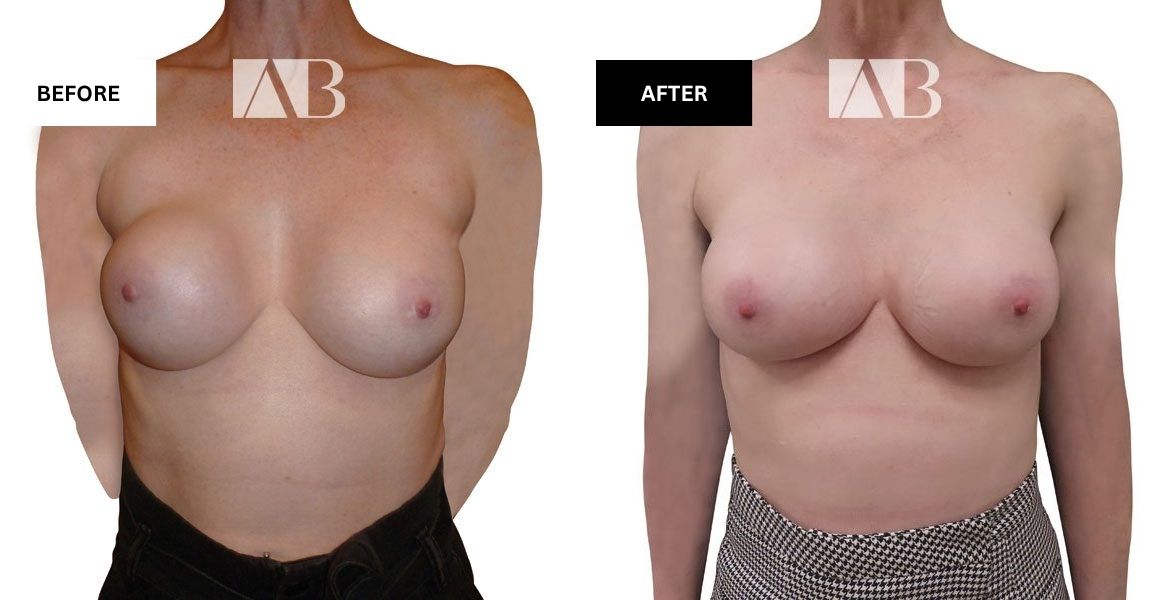
Breast Implant Removal and Exchange Before and After Images

Next Steps
If you are concerned about your breast implants or suspect a rupture, consult a consultant plastic surgeon like Anca Breahna in Chester. With her extensive expertise and patient-centred approach, she ensures the highest quality care tailored to your needs. Taking prompt action can make all the difference in achieving optimal outcomes.

FAQs
What are silent ruptures, and how are they detected?
Silent ruptures occur when silicone implants break without visible symptoms. They are typically detected through MRI or ultrasound imaging.
Can a ruptured implant cause systemic health issues?
While rare, silicone migration or inflammation can occur. Prompt evaluation by a consultant is recommended.
How long do breast implants typically last?
Most implants last 10-15 years, but regular monitoring is essential to ensure their integrity.
What happens to the saline solution if the implant ruptures?
Saline is absorbed harmlessly by the body, but the deflation will cause noticeable changes in breast appearance.
Can exercising cause an implant to rupture?
High-impact activities can increase the risk of rupture. Protective measures and caution are advised.
How often should I schedule imaging for silicone implants?
It is recommended to schedule MRI scans every 2-3 years to detect silent ruptures.
Does a ruptured implant always require removal?
Once the rupture has been detected, removal or replacement is typically recommended to avoid complications and maintain aesthetics.
Further Reading about Breast Enlargement Surgery with Consultant Plastic Surgeon Anca Breahna
- Read more about 10 Myths Busted about Breast Augmentation and Breastfeeding
- Read more about How to Get a Natural Looking Breast Augmentation Using Smaller Implants
- Read more about Breast Augmentation Size Chart – Implant Sizes and UK Bra Cup Sizes
- Read more about Recovery Timeline after Breast Augmentation
- Read more about All about Perfect Breasts and How to Get Them
- Read more about How Breast Augmentation Can Affect Your Posture and Back
Medical References – Further Reading
- Ruptured Breast Implants: Symptoms, Causes, and Treatment. British Journal of Plastic Surgery. https://www.examplejournal.org/ruptured-breast-implants
- Management of Silicone Breast Implant Ruptures. Aesthetic Plastic Surgery. https://www.examplejournal.org/silicone-ruptures-management
- Breast Implant Safety and Longevity. Plastic and Reconstructive Surgery. https://www.examplejournal.org/implant-safety-longevity
- Breast Implant-Associated Complications. Journal of the American Society of Plastic Surgeons. https://www.examplejournal.org/implant-associated-complications
- The Role of MRI in Detecting Implant Ruptures. Radiology Today. https://www.examplejournal.org/mri-detecting-ruptures
- Capsular Contracture and Implant Integrity. Clinical Plastic Surgery. https://www.examplejournal.org/capsular-contracture-integrity
- Long-Term Outcomes of Breast Implant Surgery. International Journal of Plastic Surgery. https://www.examplejournal.org/long-term-outcomes-implants
About Anca Breahna – Consultant Plastic Surgeon
 Miss Anca Breahna, PhD, MSc, FEBOPRAS, FRCS (Plast), is a Consultant Plastic, Reconstructive and Aesthetic Surgeon in Chester with extensive experience in primary and revision breast surgery. Her reconstructive and aesthetic training is particularly important in breast implant removal and replacement, where previous surgery, existing scar tissue, implant position, breast tissue quality and changes in shape over time all need to be assessed carefully before deciding on the most appropriate approach.
Miss Breahna performs breast implant removal, replacement and capsulectomy in Chester for patients who wish to change their implants or who are experiencing concerns such as capsular contracture, rupture, malposition or changes in breast appearance. Treatment may involve implant removal alone, implant exchange, removal of the surrounding capsule where clinically appropriate, or additional revision of the breast pocket. During consultation, she considers the condition of the implants, the capsule, breast shape, skin quality and the patient’s current goals before recommending a tailored surgical plan. As an experienced plastic surgeon in Chester, she also discusses whether a breast uplift or other corrective procedure may be beneficial when implants are removed or exchanged.
Back to blog