Who Are the Typical Seekers of Upper Blepharoplasty and What Are the Surgeon’s Goals?
Patients seeking upper blepharoplasty often notice heaviness or sagging of the upper eyelids over time. Common concerns include a tired appearance, difficulty applying makeup, or asymmetry between the eyelids. Ageing, genetics, and skin quality all contribute to these changes.
From a surgeon’s perspective, the primary goal is to restore a youthful yet natural eyelid contour. Excess skin is removed conservatively to avoid an over-operated appearance. Eye function, symmetry, and long-term eyelid health are prioritised. A balanced and refreshed result is always the objective.
Am I a Good Candidate for Upper Blepharoplasty?
Good candidates for upper blepharoplasty typically have excess upper eyelid skin that affects appearance or comfort. Patients should be in good general health and have realistic expectations about the outcome. Stable eye health is also important when considering eyelid surgery.
Patients with significant brow drooping or certain eye conditions may require alternative or additional procedures. Smoking and some medical conditions can affect healing and suitability. A detailed consultation is essential to determine whether upper blepharoplasty is appropriate. Individual assessment guides treatment planning.
What Happens During Your Personalised Upper Blepharoplasty Consultation With the Surgeon?
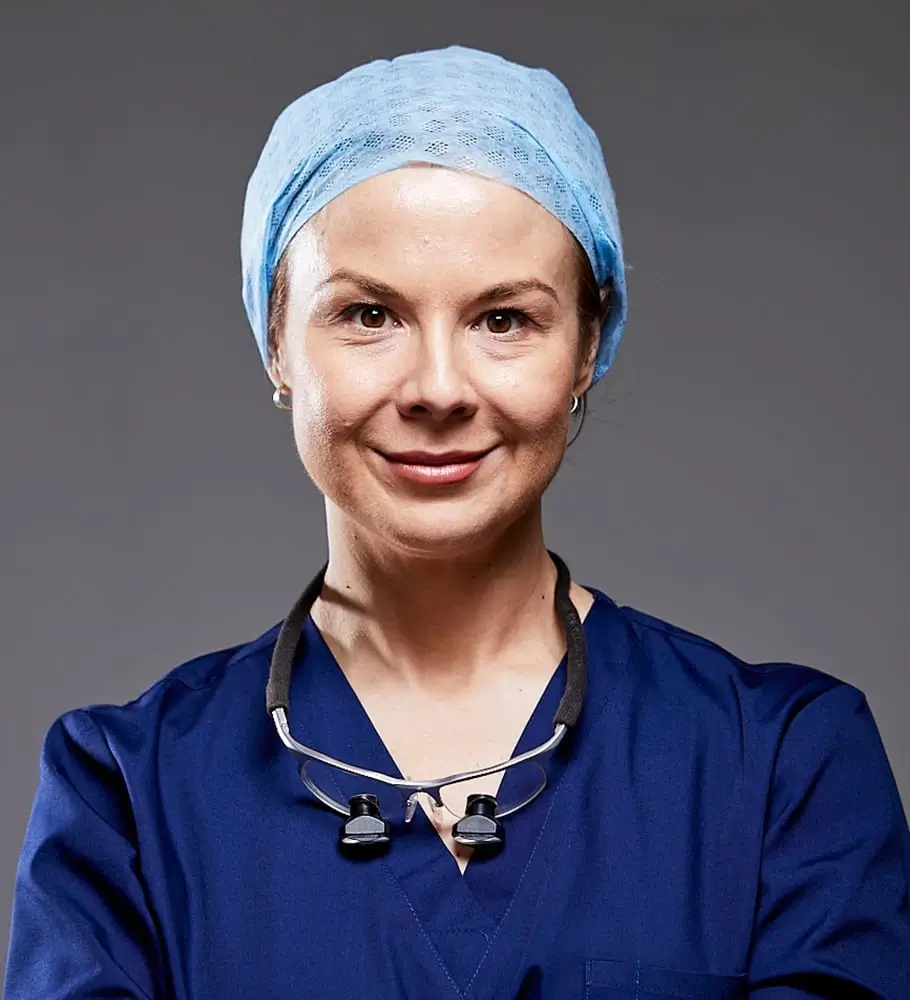
Your consultation with Miss Anca Breahna is thorough and focused on both aesthetics and eye health. During this appointment, eyelid anatomy, skin excess, and eyelid position are carefully assessed. You will be able to discuss your concerns and what you hope to achieve from surgery.
The consultation includes a clear explanation of the procedure, recovery, and potential risks. Photographs may be used to aid planning and discussion. A personalised surgical plan is developed to suit your anatomy and goals. This ensures informed and confident decision-making.
What Do Patient Reviews Say About Upper Blepharoplasty With the Surgeon?
Patient reviews often highlight the importance of trust and communication when considering facial surgery. Many patients value feeling reassured and well-informed throughout the process. Reviews may also reflect satisfaction with subtle, natural-looking outcomes.
Reading verified patient feedback can provide insight into the quality of care and aftercare support. Ethical presentation of reviews focuses on patient experience rather than exaggerated claims. Reviews support research but do not replace a consultation. Personal assessment remains essential.
What Types of Upper Blepharoplasty Are There?
Upper blepharoplasty techniques vary depending on anatomy and concerns. Some patients require skin-only removal, while others benefit from conservative fat adjustment. The approach is tailored to avoid hollowing or excessive change.
In certain cases, upper blepharoplasty may be combined with brow procedures if brow position contributes to eyelid heaviness. This is assessed carefully during consultation. Technique selection is guided by anatomy and long-term eye aesthetics. The aim is balance and longevity.
How Is Upper Blepharoplasty Surgery Performed?
Upper blepharoplasty is usually performed under local anaesthetic with sedation or general anaesthetic. Incisions are placed within the natural upper eyelid crease to minimise visible scarring. Excess skin and, where necessary, fat are removed with precision.
The procedure is typically completed within one to two hours. Careful attention is paid to symmetry and eyelid function throughout surgery. Patient safety and comfort are prioritised. The incision is closed meticulously to support optimal healing.
What Can You Expect to See in Upper Blepharoplasty Photos and Galleries?
Before-and-after photographs can help patients understand the type of changes upper blepharoplasty may achieve. They demonstrate eyelid rejuvenation rather than dramatic alteration. Results vary depending on anatomy and skin quality.
Images are shared ethically and with appropriate patient consent. They should be viewed as examples rather than guarantees. A consultation helps interpret these images for your own eyelids. Visual aids support discussion but do not replace professional assessment.
What Is Recovery Like After Upper Blepharoplasty?
Recovery after upper blepharoplasty is generally straightforward. Swelling, bruising, and mild tightness around the eyes are common in the early stages. These effects usually improve gradually over the first one to two weeks.
Most patients return to light activities within several days. Stitches are typically removed within a week if non-dissolvable sutures are used. Final healing continues over several weeks as swelling resolves. Follow-up appointments guide recovery and reassurance.
What Results Can You Expect From Upper Blepharoplasty?
Initial improvements are often visible once early swelling reduces. The eyes typically appear more open, refreshed, and less heavy. Final results continue to refine as healing progresses.
Results are long-lasting but influenced by natural ageing and skin quality. Upper blepharoplasty does not stop the ageing process. Maintaining good skin care supports longevity. The aim is a refreshed, natural appearance.
How Are Scars Minimised With Upper Blepharoplasty?
Scars from upper blepharoplasty are usually well concealed within the natural eyelid crease. With time, they typically fade and become difficult to detect. Careful incision placement supports discreet healing.
Patients receive guidance on wound care and scar management. Scar maturation continues for several months. Most patients find scars become barely noticeable. Individual healing varies and is monitored during follow-up.
How Much Does Upper Blepharoplasty Cost?
The cost of upper blepharoplasty depends on the complexity of the surgery and whether it is performed alone or combined with other procedures. Fees reflect consultant-led care, surgical facilities, and aftercare. Pricing is personalised rather than fixed.
In the UK, the cost of upper blepharoplasty (upper eyelid surgery) can vary significantly between providers. This variation reflects several factors, including the surgeon’s experience and qualifications, the location of the clinic, the standard of facilities, and the complexity of the individual procedure. Prices may also differ depending on what is included in the treatment pathway, such as pre-operative assessment, anaesthesia, theatre time, and post-operative follow-up care.
A personalised treatment plan and quotation are provided following consultation, allowing all relevant factors to be discussed in detail. This ensures clarity, transparency, and informed decision-making tailored to each patient’s needs.
What Are the Risks of Upper Blepharoplasty?
All surgical procedures carry risks, and upper blepharoplasty is no exception. Common temporary effects include swelling, bruising, dryness, or tightness around the eyes. These usually resolve as healing progresses.
Less common risks include infection, asymmetry, or delayed healing. Rare complications are discussed during consultation to ensure informed consent. Careful surgical technique and aftercare reduce risk. Ongoing follow-up supports safe recovery.