- Take our Plastic Surgery Quiz to find out if you'd be a good candidate for cosmetic surgery.
- What to Expect During the Initial Healing Process
- Why Some People Experience More Swelling and Bruising Than Others
- Download Miss Anca Breahna's Labiaplasty Guide
- Top Ten Strategies for Reducing Swelling and Bruising
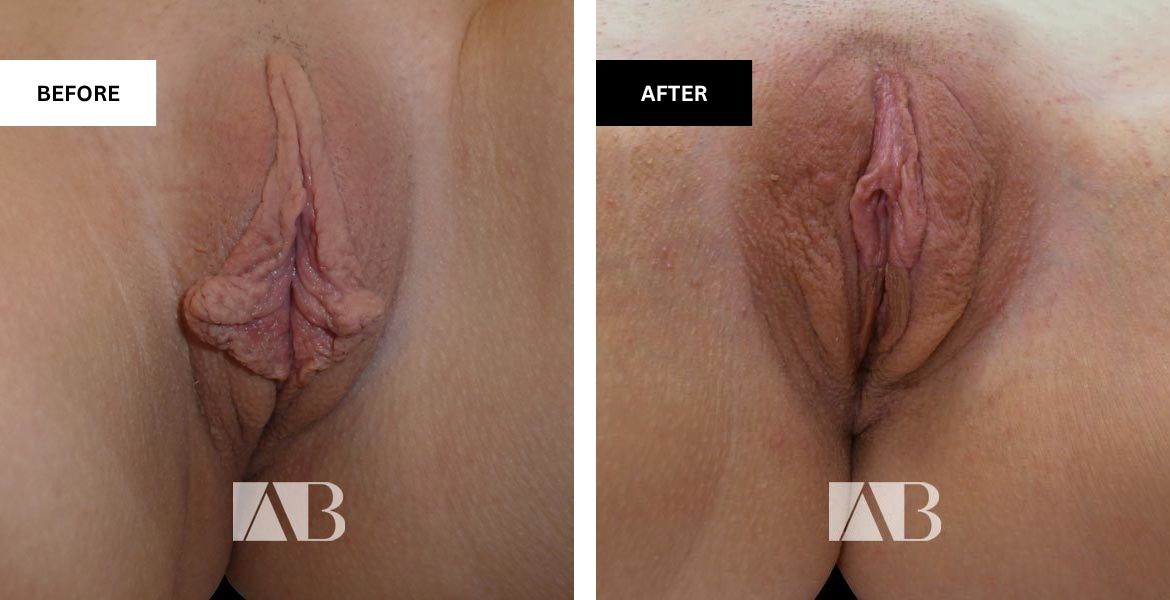
- Labiaplasty Before and After Photos
- Knowing When to Get in Touch With Your Surgeon
- FAQs About Labiaplasty Recovery
- A Personalised Recovery Experience With Miss Anca Breahna
- Take the First Step Toward Healing With Confidence
- Further Reading
Labiaplasty is a delicate and personal procedure that many women choose to enhance their comfort, improve function, and restore self-confidence. As with any surgical treatment, healing is an essential part of the journey. For many patients, one of the most common concerns after labiaplasty is how to manage swelling and bruising during recovery.
Miss Anca Breahna is a highly experienced Consultant Plastic & Reconstructive Surgeon based in Chester, UK. With private practices at Nuffield Health The Grosvenor Hospital in Chester and ASET Hospital in Liverpool, Miss Breahna provides specialist surgical care with a focus on patient comfort, safety, and confidence. Her approach to labiaplasty combines medical expertise with discretion, empathy, and individualised aftercare to ensure each patient heals well and comfortably.
This guide offers detailed, expert-led advice on how to reduce swelling and bruising after labiaplasty surgery. It is designed to empower patients with the knowledge they need to take an active role in their healing and to understand what is normal during recovery.
Take our Plastic Surgery Quiz to find out if you’d be a good candidate for cosmetic surgery.
What to Expect During the Initial Healing Process
After any surgical procedure, the body initiates a natural healing process. Swelling and bruising are part of this response. During labiaplasty, small incisions are made to reshape the labia. This can lead to temporary inflammation, fluid buildup, and minor blood leakage into surrounding tissue, resulting in visible bruising.
Swelling usually begins within the first 24 hours after surgery and typically peaks around day 2 or 3. Bruising often appears within this same window. While these effects may seem concerning at first, they are completely normal. Most swelling begins to subside within the first 1 to 2 weeks, though some mild swelling may persist for several weeks as tissues continue to settle.
Bruising generally fades over 10 to 14 days. The colour will gradually shift from red and purple tones to green and yellow hues before disappearing completely. Every patient heals differently, so some variation is to be expected.
The labia are highly vascular, meaning they contain many small blood vessels. This is why the area may appear more swollen or bruised than other parts of the body after surgery. It also means that, once healing begins, the area typically recovers very well.
Why Some People Experience More Swelling and Bruising Than Others

The degree of swelling and bruising a patient experiences can depend on several different factors. Understanding these can help set realistic expectations and guide proper recovery habits.
- Surgical technique: The type of labiaplasty performed (trim, wedge, or composite) and the amount of tissue removed can affect the intensity of swelling. Techniques that involve more internal restructuring or deeper incisions may cause more swelling initially.
- Patient health and lifestyle: Non-smokers, individuals with good circulation, and those who maintain a healthy diet and lifestyle generally recover more quickly. Smoking, dehydration, and chronic health conditions can delay healing and worsen inflammation.
- Post-operative care: How well patients follow their aftercare instructions plays a significant role. Activities like sitting for long periods, engaging in vigorous movement too early, or wearing tight clothing can aggravate the area and increase swelling.
- Individual biology: Some people are simply more prone to swelling and bruising due to how their bodies respond to tissue injury. Genetics, hormonal fluctuations, and vascular sensitivity can all play a role.
Download Miss Anca Breahna’s Labiaplasty Guide
Top Ten Strategies for Reducing Swelling and Bruising
Miss Anca Breahna advises her patients to be proactive and gentle with their healing. The following strategies are some of the most effective and practical ways to minimise swelling and bruising after labiaplasty surgery.

1. Apply Cold Compresses During the First Three Days
Applying cold packs to the surgical area during the first three days can help constrict blood vessels, reduce inflammation, and limit bruising. Cold therapy should be used cautiously. Place a clean cold pack or wrapped ice pack on the area for no more than 15 to 20 minutes at a time, several times a day. Avoid direct skin contact to prevent irritation.
Cold compresses are most effective when used early, especially within the first 48 hours. After this point, the body shifts from an inflammatory response to tissue regeneration, and heat may eventually be more beneficial.
2. Rest With Your Hips Slightly Elevated
Gravity can work against you if you are sitting or standing for long periods in the first few days. To promote drainage and reduce fluid buildup, lie down with a pillow or cushion under your hips. Elevating the area allows swelling to subside more efficiently.
This position can be maintained during sleep or periods of rest, especially during the first week. It is a simple yet effective way to reduce discomfort and accelerate the healing response.
3. Choose Comfortable Clothing and Avoid Excess Heat
Exposing the area to high temperatures such as hot baths or steam rooms can increase blood flow and worsen swelling. Similarly, tight clothing or synthetic underwear can trap heat, limit airflow, and create friction.
Choose loose, breathable cotton garments that allow air circulation and prevent unnecessary pressure on the healing tissues. Avoid wearing thongs, shapewear, or restrictive trousers until fully healed.
4. Take Gentle Walks to Support Circulation
While rest is important, gentle movement is equally essential. Taking short walks around your home every couple of hours helps stimulate circulation, reduce fluid buildup, and prevent stiffness.
Avoid vigorous exercise, heavy lifting, or bending during the first 4 to 6 weeks. Always follow Miss Breahna’s personalised advice on activity levels based on your progress and individual needs.
5. Maintain Good Hygiene Without Overwashing
Keeping the surgical site clean reduces the risk of infection and supports faster healing. Wash the area gently with lukewarm water and a fragrance-free, pH-balanced cleanser. Avoid using harsh soaps, alcohol-based wipes, or scented products.
After cleansing, gently pat dry with a clean, soft towel. Do not rub. Air drying can also be helpful when time allows. Do not submerge in baths or swimming pools until Miss Breahna confirms it is safe to do so.
6. Wait Until Fully Healed Before Engaging in Sexual Activity
Sexual activity should be avoided for at least 6 weeks or until Miss Breahna confirms that healing is complete. Premature activity can put pressure on the healing tissue, increase swelling, and risk reopening incisions.
Open communication with your surgeon and partner during this phase is essential to ensure your comfort and safety as you recover.
7. Stay Hydrated and Eat Foods That Support Healing
Proper hydration and a nutrient-rich diet play an important role in tissue repair. Drink plenty of water throughout the day and include foods rich in antioxidants and anti-inflammatory properties, such as berries, leafy greens, oily fish, and nuts.
Limit salt, sugar, alcohol, and caffeine in the early stages of healing, as these can contribute to inflammation and slow recovery.
8. Wear Underwear That Provides Support Without Pressure
Underwear should be soft, breathable, and free from tight elastics. Some patients find comfort in wearing a sanitary pad or light cotton liner to absorb minor drainage and provide a cushion during sitting.
You may wish to sleep without underwear for the first few nights to avoid unnecessary pressure and allow airflow. Every small adjustment that increases comfort supports the healing journey.
9. Stick to Your Personalised Recovery Plan
Aftercare is tailored to each patient. Miss Anca Breahna provides detailed recovery plans specific to your surgery, body, and goals. Following these instructions is one of the most effective ways to reduce swelling, bruising, and the risk of complications.
Attend all scheduled follow-ups, even if healing appears to be going smoothly. These appointments ensure your recovery is progressing properly and allow Miss Breahna to make any necessary adjustments to your care plan.
10 Give Yourself Time and Space to Heal
Perhaps the most overlooked element of recovery is emotional patience. Swelling and bruising can be worrying, especially when the results are not immediately visible. Healing is a gradual process, and each person experiences it differently.
Giving yourself permission to rest, take time off from responsibilities, and focus on your well-being is not only beneficial physically but emotionally as well.
Labiaplasty Before and After Photos

Knowing When to Get in Touch With Your Surgeon
While swelling and bruising are expected, it is important to know when something might not be normal. You should contact your surgeon if you experience:
- Sudden increase in swelling after initial improvement
- Sharp or worsening pain
- Excessive bleeding
- Unusual discharge with odour
- Fever or chills
- Skin changes such as spreading redness or heat
Miss Anca Breahna and her team are available to support you during every stage of your recovery. Patients in Chester or Liverpool are encouraged to get in touch with any concerns, no matter how small they may seem.
FAQs About Labiaplasty Recovery
Can I sneeze or cough after labiaplasty without affecting the stitches?
Yes, sneezing or coughing will not damage your stitches. Supporting the area gently with your hand can help ease any pressure you feel.
Is it normal to feel a tingling or pins-and-needles sensation?
Yes, this sensation is often part of nerve regeneration. It typically fades within a few weeks.
Will I be able to wear leggings or gym clothes again?
Yes, but wait until swelling has completely resolved, usually after 4 to 6 weeks. Choose breathable, non-restrictive fabrics.
Can I use a mirror to check my healing progress?
Yes, many patients do. Just be gentle and avoid excessive checking to prevent unnecessary anxiety.
Is asymmetry during healing a bad sign?
Mild asymmetry is very common early on and usually balances out as the swelling subsides.
Can I apply any creams or ointments to help healing?
Only use what Miss Breahna recommends. Many over-the-counter products can interfere with healing or cause irritation.
Will I feel the stitches when I sit or walk?
You may notice a tight or pulling sensation during the first few days. This typically eases as the stitches dissolve.
Why do I feel more swollen in the evening than in the morning?
Swelling can build up throughout the day due to movement and gravity. Elevating your hips in the evening helps reduce this.
Can I laugh, cry, or express strong emotions freely?
Yes, emotional expression won’t affect your surgical recovery. Managing stress, however, supports your overall wellbeing.
Is it okay to sleep on my side or stomach after surgery?
Sleeping on your back is best in the early stages. You can gradually return to side or stomach sleeping after a couple of weeks if it feels comfortable.
Medical References
- Comprehensive Assessment of Labiaplasty Techniques and Tools (Géczi et al., Aesthetic Surgery Journal, 2024) — A systematic review/meta-analysis of labiaplasty techniques and complications including swelling and hematoma. – https://academic.oup.com/asj/article/44/11/NP798/7704538?
- Safety of Aesthetic Labiaplasty: A Plastic Surgery Experience (in Aesthetic Surgery Journal, 2014) — Reports complication rates and healing outcomes after labiaplasty, covering swelling/bruising indirectly. – https://academic.oup.com/asj/article/35/6/689/2589182?
- A Novel Zero-Retention Suturing Technique in Labiaplasty (Springer, 2025) — Discusses a new suturing technique in labiaplasty and reports on adverse events, recovery, and patient comfort (which ties into swelling/trauma). – https://link.springer.com/article/10.1007/s00266-025-05025-1?
A Personalised Recovery Experience With Miss Anca Breahna
With a distinguished background in plastic, reconstructive, and aesthetic surgery, Miss Anca Breahna combines technical skill with deep compassion for her patients. Her commitment to women’s health and well-being is reflected in her personalised, discreet approach to labiaplasty care.
As a female Consultant Plastic & Reconstructive Surgeon, she offers a unique understanding of the concerns many women have around intimacy, body image, and recovery. Her clinics in Chester and Liverpool provide private, supportive environments where patients can feel seen, heard, and cared for.
Every patient receives an aftercare plan designed to support optimal healing while respecting their lifestyle and preferences. Whether it is your first time considering surgery or you are returning for follow-up care, Miss Breahna’s focus remains the same: ensuring you feel safe, respected, and confident in your journey.
Take the First Step Toward Healing With Confidence
Reducing swelling and bruising after labiaplasty is a realistic and achievable goal with the right support, care, and guidance. By following expert advice and treating your body with patience and compassion, you can set the stage for a smooth recovery and beautiful results.
If you are considering labiaplasty or have questions about recovery, schedule a private consultation with Miss Anca Breahna, Consultant Plastic & Reconstructive Surgeon in Chester, UK. You will receive expert guidance tailored to your goals, anatomy, and comfort in a setting designed around trust and discretion.
Book your consultation today and take the first step toward renewed comfort and confidence.
Clinics available at:
- Cheshire Cosmetic Surgery – Main Clinic
Chester Wellness Centre
Wrexham Road, Chester, CH4 9DE
- Nuffield Health The Grosvenor Hospital, Chester
- ASET Hospital, Liverpool
Contact: 07538 012918
Email: contact@ancabreahna.com
Website: www.ancabreahna.com
Further Reading
- Read Anca’s Blog on Labiaplasty Surgery FAQs
- Read Anca’s Blog on How to Get Rid of Large Labia – Treatment Options Blog
- Read Anca’s Blog on What Is A Labiaplasty Or So Called Designer Vagina Blog
- Read Anca’s Blog on Labiaplasty For Mums – Labiaplasty After Childbirth
- Read Anca’s Blog on Am I Too Old for Labiaplasty: Age Impact on Candidacy, Healing, and Results